In late 2025, the Supreme Court heard a major case about President Donald Trump’s tariffs. The key issue was whether a president could use an emergency law to place broad taxes on imported goods.
We now know the answer. On February 20, 2026, the Court said no. It ruled that the International Emergency Economic Powers Act, or IEEPA, does not give a president the power to impose tariffs. The ruling changed a big part of Trump’s trade plan, but it did not end every U.S. tariff.
What the Court decided
The case was Learning Resources, Inc. v. Trump. It was heard with a second case, Trump v. V.O.S. Selections.
The firms in the case had paid the tariffs. They said IEEPA gave the president broad emergency powers, but not the power to create import taxes.
The Court agreed. It said IEEPA does not allow tariffs.
That matters because Congress has the power to set duties and taxes. Congress can pass laws that give a president some tariff power. But the president must stay within those laws.
The ruling did not say presidents can never use tariffs. It said this emergency law was not a tariff law.
Which tariffs were struck down
The ruling hit tariffs Trump had imposed under IEEPA in 2025. These included broad tariffs tied to trade gaps and some tariffs tied to drug traffic.
Other tariffs were not part of this case. Some duties can still be used under laws such as Section 232 or Section 301.
That is easy to miss. A headline may say the Court struck down “Trump’s tariffs.” That can sound like every tariff went away. It did not.
Our guide to the U.S.–Canada trade fight shows how trade policy kept moving after the ruling. The White House turned to other laws, and new trade fights followed.
What happened to money already paid
The next fight was over refunds.
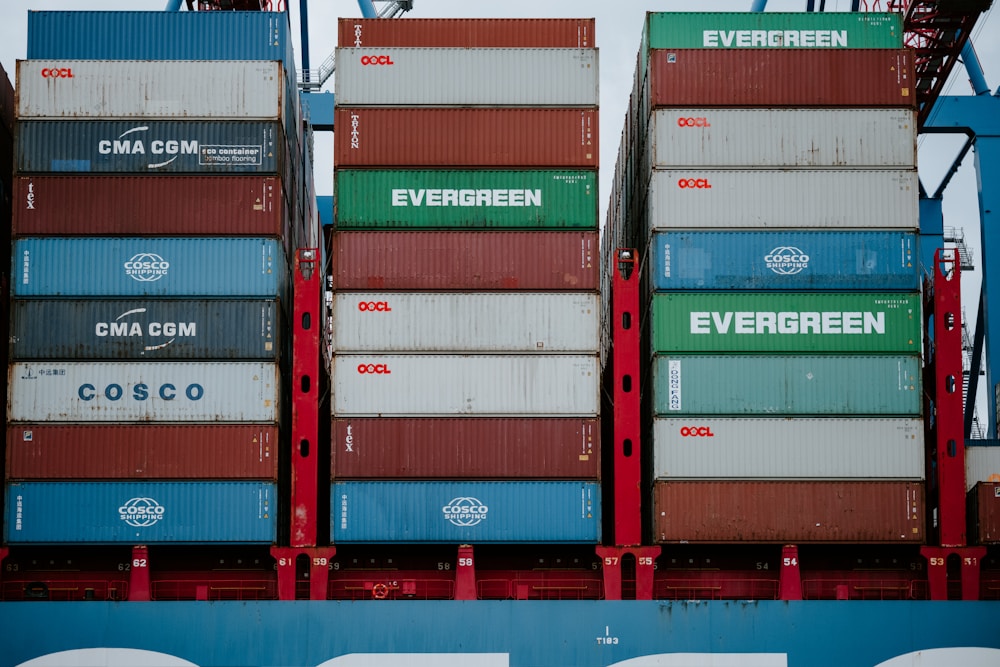
U.S. importers paid the IEEPA duties when goods entered the country. Foreign governments did not pay those bills.
A firm could absorb the cost, raise prices, or do both. That is one way tariffs can reach shoppers.
After the Court ruled, importers asked for their money back. By August 2026, Customs and Border Protection had sent out about $100 billion in refunds.
The process is still not simple for every firm. The government has fought a lower court order that called for refunds to all affected importers, even firms that did not sue.
So the main legal issue is settled, but the refund fight is not fully over.
Why this matters to shoppers
Tariffs can raise daily costs.
A tariff can raise the cost of an imported part, tool, food item, machine, or finished good. A firm may pay more to bring that item into the country. It may then raise the price.
The effect is not always exact. Some firms absorb part of the cost. Some find a new source. Some pass most of the cost to buyers.
Our tariff news guide explains how a trade rule can move from Washington to a store shelf.
If you run a small firm, it helps to track your real cost. A basic business calculator or cost notebook can help you spot changes in freight, parts, and import fees.
What the ruling says about power
This case was also about presidential power.
Congress often gives presidents room to act fast. But each law has limits.
The Supreme Court said IEEPA is broad, but it is not a general tariff law. A president cannot use it as a blank check for import taxes.
That does not leave the White House with no trade power. Other laws still give the president real tools.
We saw the same kind of legal question in the fight over National Guard use. The facts were very different, but the core issue was alike: what does the law let the president do?
Trade policy kept moving
The Court ruling did not end the trade fight.
The Trump team moved to other trade laws and other tools. By September 2026, the U.S.–Canada dispute had grown again.
Trade also links to the wider economy. Prices, rates, jobs, and business costs can move at the same time. A related guide from Chloe’s Corner on interest rates shows how big economic signals can shape choices for homes and firms.
When you read tariff news, ask two things. What law is being used? Who pays the cost first?
The bottom line
The Supreme Court did not ban tariffs. It ruled that IEEPA does not allow them.
That February 20, 2026 ruling removed a major legal base for Trump’s emergency tariff plan. It also opened the way for a large refund process.
Other tariff laws still exist. Congress and the White House still have major roles in trade policy.
For shoppers and firms, the story is not over. The legal path changed. The fight over prices and trade power did not.