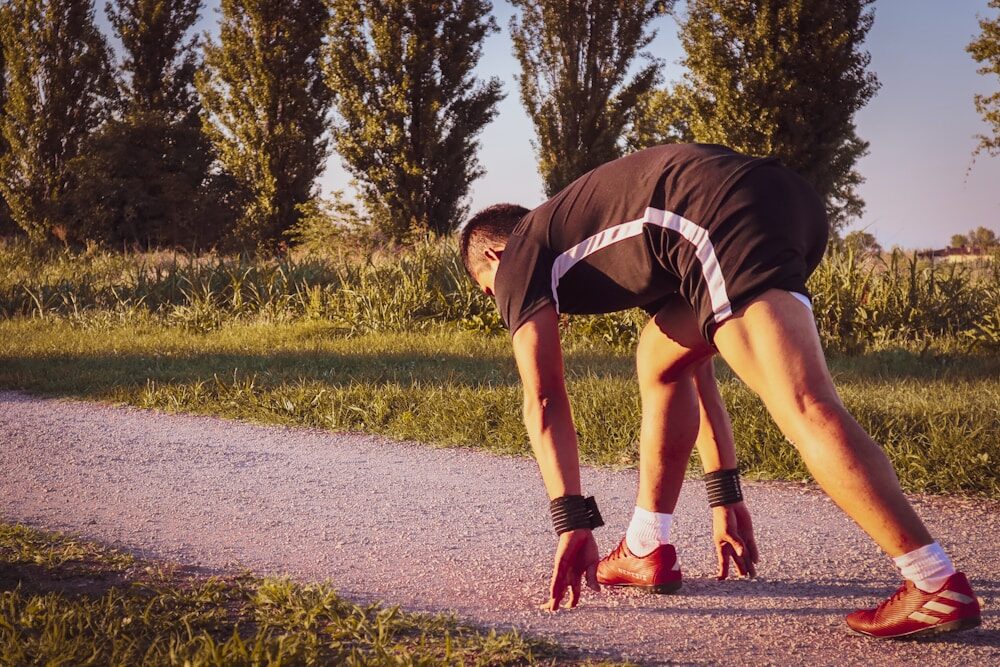
Rucking is one of the simplest fitness trends of 2026. You place weight in a backpack and walk. The extra load raises effort and asks more from the legs, trunk, and upper back.
Simple does not mean risk-free. A poor pack, too much weight, or a fast jump in distance can turn a useful walk into sore knees, feet, or back. The smart start feels almost too easy.
What Rucking For Beginners Means
Rucking is walking while carrying a loaded pack. It comes from military training, but a fitness ruck does not need military speed, distance, or weight. It sits between normal walking and harder loaded work. The aim for most beginners is steady movement with good posture, not a test of pain. A backpack, a stable load, and supportive shoes are enough to begin.
In other words, the trend is useful only when it fits a real need. The name may be new, but the choice still comes down to value, risk, cost, and the way it affects daily life.
Why Rucking For Beginners Is Trending Now
Several changes are arriving at the same time. That is why this topic is moving from a small group into wider use.
Walking remains easy to start
Many people want a workout without a gym, a class time, or a hard run. Rucking adds a clear step up from a normal walk.
Strength and cardio can mix
The load raises heart and muscle demand at the same time, which fits busy schedules.
Outdoor fitness is social
Ruck groups turn a walk into shared training and can make steady exercise easier to keep.
People want functional strength
Carrying a pack links training to daily tasks such as lifting bags, climbing steps, and hiking.
The Real Benefits
The best reason to follow a trend is not that many people are talking about it. It is that the idea solves a clear problem for you. These are the gains that matter most.
Higher effort at a walking pace
The added load can raise heart rate and energy use without the impact pattern of running.
Trunk and postural work
A well-fit pack asks the core and upper back to hold a steady position.
Easy progress to measure
You can change only one thing at a time: weight, time, hill, or pace.
Low gear barrier
You can begin with a normal backpack and a wrapped household weight before buying special gear.
The Limits and Risks
Every useful tool has a weak side. We make a better choice when we see that side before money, data, health, or time is at risk.
Too much load too soon
Muscles may feel ready before feet, tendons, and joints have adapted.
Poor load position
A heavy object that swings or sits low can pull on the back and change walking form.
Hot-weather strain
A pack holds heat and extra weight raises effort. Heat, fluid, and route choice matter.
Wrong fit for health needs
Back, hip, knee, foot, balance, heart, or bone conditions may need a clinician or physical therapist before loaded walking.
How to Start With Rucking For Beginners
You do not need to change everything at once. Use a small first step, keep control of the important choices, and review what happens.
1. Walk without weight first
Be able to walk the planned route in comfort. Rucking should build on a stable walking base.
2. Start near five percent of body weight
Many beginners can start with a light load. You do not need to jump to ten or twenty percent.
3. Pack the weight high and close
Wrap the load, stop it from moving, and place it near the upper back rather than low at the hips.
4. Use a short first session
Try twenty to thirty minutes on flat ground. Finish while form still feels good.
5. Keep a natural stride
Stand tall, use short normal steps, and avoid leaning far forward or racing.
6. Add only one stress
Increase time, hill, pace, or weight by a small amount. Do not raise all four in the same week.
7. Use rest and foot care
Leave recovery days, check hot spots early, and stop for sharp pain, numbness, chest symptoms, or unusual shortness of breath.
A Simple Seven-Day Test
A short test is long enough to learn and short enough to stop. Use the first week to build a baseline rather than chase a perfect result.
- Day 1: Write the one result you want from rucking for beginners. Keep it to one sentence.
- Day 2: Review the main risks and remove the one that could cause the most harm.
- Day 3: Take the smallest practical step from the guide. Do not add extra tools yet.
- Day 4: Note what felt easy, what felt unclear, and what took more time than expected.
- Day 5: Check one source, setting, rule, or cost that the first test brought to light.
- Day 6: Repeat the useful part once. Change only one detail so you can see the effect.
- Day 7: Decide whether to keep, adjust, pause, or stop. Write the reason so the choice stays clear.
A Practical 30-Day Plan
A week can show whether rucking for beginners fits your life. A month can show whether the result lasts. Keep the plan light enough to repeat. The goal is not to turn a new idea into a second job.
Week 1: Learn the baseline
Notice how things work before you make a large change. Save key costs, times, scores, settings, or problems in one short note. This gives you a fair point of comparison. It also keeps a strong first impression from becoming the only evidence.
Week 2: Use the smallest useful version
Choose one tool, habit, route, payment, setting, or work method. Keep the rest of your routine steady. A small test is easier to understand and easier to stop. It can also show that you do not need the costly or complex version of the trend.
Week 3: Check the weak side
Look for the tradeoff that did not appear on day one. It may be time, privacy, fatigue, fees, access, or stress. Ask another person to review the plan when the choice affects a family, client, team, or shared budget. A second view can catch a risk that feels normal to you.
Week 4: Keep only what earns a place
Compare the result with the baseline. Keep the part that made life safer, easier, calmer, or more useful. Remove steps that added work without a clear gain. Set one date to review it again. This turns rucking for beginners from a trend into a choice you can manage.
How to Measure Whether It Is Working
Do not use attention, novelty, or social praise as the main score. Pick two or three signs that match the reason you started.
- Time: Did the change save time after setup and checking were included?
- Cost: Did the full cost stay inside the limit you set?
- Quality: Is the result more accurate, useful, restful, safe, or easy to repeat?
- Stress: Did the plan lower worry, or did it create a new thing to track?
- Control: Can you pause, cancel, change, or recover without a large loss?
A good result does not need to improve every measure. It should improve the one that matters most without causing a larger problem somewhere else. When the tradeoff is unclear, keep the test small and gather more real experience before you commit.
What to Check Before You Commit
Use this quick list before a purchase, sign-up, booking, or large life change.
- Can you walk the route in comfort without weight?
- Is the load stable, high, and close to your body?
- Can you keep a normal stride and speak in short lines?
- Are feet and joints calm the next day?
- Did you change only one part of the workout this week?
Common Mistakes to Avoid
- Starting with a military-style load.
- Using loose books or metal that shift inside the pack.
- Leaning forward from the waist for the whole walk.
- Adding steep hills and more weight at the same time.
- Ignoring foot pain until a blister or tendon problem grows.
Most mistakes come from speed. A trend feels urgent because we see it often. Yet a short pause is usually enough to check the full cost, the source, the setting, or the safer path.
Frequently Asked Questions About Rucking For Beginners
How much weight should a beginner carry?
A very light start is fine. Around five percent of body weight is one simple option, with changes based on comfort and health.
Is a weighted vest better?
A vest spreads weight in a different way. A pack is easier to remove and adjust. Fit and comfort matter more than trend.
Can rucking replace strength training?
It builds useful endurance and some strength, but a full plan still benefits from squats, hinges, pushes, pulls, and progressive resistance.
How often should I ruck?
One or two short sessions per week is enough to start. Add only when recovery is good.
Is rucking safe for older adults?
It can be, but bone, balance, heart, joint, and back health matter. A clinician or therapist can help choose load and route.
Carry Less Than Your Ego Wants
Rucking works because it is plain. Put on a stable pack, walk with care, and let time do the work. The first goal is not a heroic load. It is a body that feels ready to return. Start light. Keep the route simple. Add one small challenge at a time. A modest pack carried often will do more than a huge pack carried once.
This article gives general education, not personal medical advice. A qualified health professional can help with symptoms, medicines, pregnancy, or a condition that changes what is safe for you.