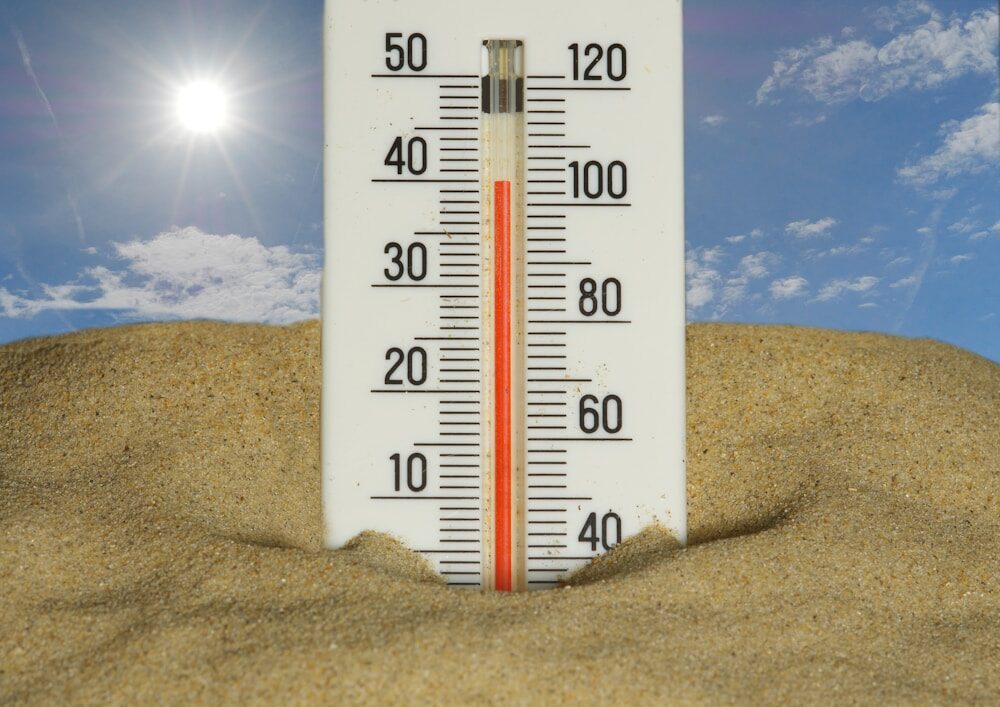
A heat dome can hold dangerous heat over a large area for days. Nights may stay hot too. That gives the body less time to cool down.
Heat can harm the body fast. It can also build slowly. You may feel tired, sick, weak, or dizzy before you know you are in trouble.
What Is a Heat Dome?
A heat dome forms when strong high pressure sits over an area. Air sinks and warms. The weather pattern can keep heat trapped near the ground.
The National Weather Service heat safety guide explains heat alerts, heat illness, and steps you can take before dangerous heat arrives.
Watch the Heat Index and Local Alerts
The heat index combines heat and humidity. It helps show how hot it feels to the body. A high heat index can make outdoor work and exercise unsafe.
Do not judge heat by feel alone. Check the local forecast, alerts, and hourly conditions.
Who Faces the Most Risk?
Heat can harm anyone. Risk is often higher for older adults, babies, young children, pregnant people, outdoor workers, people with health problems, and people without air conditioning.
People who live alone may also need extra help. Some medicines can affect thirst, sweating, or fluid balance.
Make a Heat Plan Before the Warning
- Find one cool place and one backup place.
- Know how you will get there.
- Choose someone to check on you.
- Keep simple food and water on hand.
- Charge phones and backup power banks.
A portable power bank can help keep a phone charged if the power goes out. Buy one that fits your normal needs instead of waiting for an emergency.
How to Keep Your Home Cooler
Close shades or curtains before direct sun reaches the glass. Use the oven less. Open windows only when the air outside is cooler than the air inside.
A fan can help sweat dry, but it does not cool the air. If a room stays very hot, move to air conditioning or a cooling center.
If nighttime heat is making sleep hard, our simple sleep guide explains how room temperature, light, and a steady routine can support better rest.
What to Do Without Air Conditioning
Do not wait until you feel sick. Spend the hottest hours in a cool public place when you can.
At home, stay on the lowest safe floor. Keep sun out. Wet your skin with cool water. Wear loose, light clothes.
If your home stays very hot at night, sleep somewhere cooler if you can. One hot night after another can wear the body down.
Stay Safe Outdoors
Move hard tasks to early morning or later in the day. Slow the pace. Take more breaks. Rest in shade or air conditioning.
Drink water before you feel very thirsty. Wear loose, light clothing and a wide-brim hat.
A reusable insulated water bottle can make it easier to keep water close during hot days.
Heat Safety for Outdoor Workers
Outdoor work adds heat from both the weather and physical effort. New workers may face more risk because the body has not had time to adjust.
Work sites should provide water, shade, rest, and a clear plan for getting help. Heavy work should move to cooler hours when possible.
Heat Safety for Children and Older Adults
Children may keep playing even when they are too hot. Give water breaks, keep play periods short, and use shade.
Older adults may cool more slowly. Check in during heat warnings. Ask whether the room is cool, not just whether the person feels fine.
Never leave a child in a parked car, even for a short time.
Heat Safety for Pets
Walk pets early or late. Give fresh water and shade. Keep pets indoors in a cool room when heat is high.
If you garden in very hot climates, this Chloe’s Corner guide to growing tomatoes in Arizona heat shows how strongly extreme heat can affect living things outdoors.
Never leave a pet in a parked car. Heavy panting, drool, weakness, or collapse can be signs of heat stress.
Heat Exhaustion Signs
Heat exhaustion may cause headache, nausea, dizziness, weakness, thirst, heavy sweating, and less urine.
Move the person to a cool place. Loosen extra clothing. Use cool wet cloths. Give small sips of water if the person is awake and able to drink.
Heat Stroke Is an Emergency
Heat stroke can cause confusion, fainting, seizures, very hot skin, or loss of awareness. The person may sweat a lot or may have dry skin.
Call 911 at once. Move the person to a cooler place and start cooling the body while help is coming. Do not force a confused or unconscious person to drink.
Food, Water, and Sports Drinks
Water is a good choice for most light daily activity. Long, hard work in heat may lead to more salt loss. Some people may benefit from an electrolyte drink.
Eat simple meals if large meals feel hard. Fruit, yogurt, beans, salads, and wraps can be easier on very hot days.
What to Do During a Power Outage
Close shades and doors. Keep the refrigerator closed as much as possible. If the home gets too hot, leave for a cooler place.
Never run a fuel generator in a home, garage, or near a door or window.
If you are planning a summer trip to escape extreme heat, our coolcation planning guide explains how to check heat, smoke, room cooling, and weather before you book.
Common Heat Safety Myths
I am used to heat, so I am safe
Your body can adjust to some heat. It can still be overwhelmed by a stronger heat wave, illness, dehydration, or lack of sleep.
A fan is all I need
A fan can help, but it may not be enough in a very hot room.
Only noon is dangerous
Heat can peak later in the day. Warm nights can also be dangerous.
Keep Cool Before Heat Builds
The best heat plan starts before you feel sick. Check alerts. Pick a cool place. Change outdoor plans. Call people who may need help.
Work around the heat instead of trying to beat it. Slow down. Use shade. Drink water. Leave a hot home when it will not cool.
For more household risk planning, our guide to small health and safety changes at home uses the same calm approach: focus on the highest-value steps first.

