Sleepmaxxing is the push to improve every part of sleep. Social media often adds trackers, mouth tape, special drinks, cooling pads, supplements, and long night routines. Some tools may help. Too many can make sleep feel like a test.
Good sleep is not a perfect score. It means giving your body enough time to rest, keeping a fairly steady body clock, and waking with enough energy for daily life. The best plan starts with simple habits.
What Sleepmaxxing Means
Sleepmaxxing is an informal name for trying to improve sleep with habits, products, and data. The useful part is giving sleep real time and care. The risky part is chasing a flawless result or using products before fixing the basics.
The CDC says adults age 18 to 60 generally need at least seven hours of sleep each night. Needs can vary, but time in bed is still one of the first things to check.
Start With a Steady Wake Time
A steady wake time helps anchor your body clock. Pick a time you can keep on most days. Try not to swing by several hours between workdays and weekends.
If travel is part of the problem, our guide to sleep tourism and rest-focused trips explains why a fancy hotel cannot make up for poor timing, jet lag, or too little sleep.
Get Morning Light
Outdoor light soon after waking gives the brain a strong daytime signal. It can help your body know when to feel alert and when to wind down later.
You do not need a complex light routine. Step outside when you can. A short walk, coffee on the porch, or a few minutes in the yard is enough to start.
Make the Bedroom Cool, Dark, and Quiet
A calm room can do more than a shelf of sleep products. Block bright light. Lower noise. Keep the room at a comfortable temperature.
If outside noise keeps waking you, our guide to quiet travel and lower-stress spaces has simple ideas that also work at home.
Low-cost tools can help when they solve a real problem. Blackout curtains can help with early light. Soft sleep earplugs may help with noise.
Move Caffeine Earlier
Coffee, tea, energy drinks, and pre-workout can stay in the body for hours. If it takes a long time to fall asleep, move the last dose earlier and see what changes.
Do not change five things at once. A simple test is easier to judge. Keep the rest of your routine steady for a few days.
Build a Short Wind-Down
A wind-down routine does not need to take an hour. Try 20 to 40 minutes of lower light and a calm task. Read, stretch, take a warm shower, or prepare for the next day.
If you like comfortable sleepwear, this Tuars guide to bamboo pajamas and sleepwear choices is a useful reminder to judge comfort, quality, and care rather than a marketing label alone.
Do Not Let a Tracker Run the Night
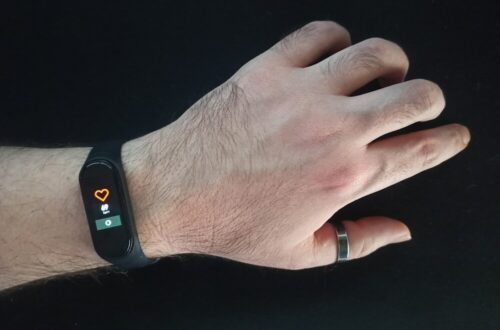
Sleep trackers can show trends. They are not a perfect measure of sleep stages. A bad score can also make some people worry more about the next night.
Use a tracker only if it helps you notice useful patterns. If it makes you anxious, stop checking it for a while.
Be Careful With Mouth Tape and Supplements
Mouth taping is not a basic sleep habit. It may be unsafe for people with blocked nasal breathing, breathing problems, alcohol use, or other health issues.
Supplements can also cause side effects or mix poorly with medicines. Do not stack several sleep products at once. Ask a qualified health professional when you are unsure.
Use the Bed for Sleep
If you are awake and frustrated for a long time, get out of bed. Sit somewhere quiet with low light. Return when you feel sleepy.
This helps keep the bed linked with sleep instead of worry. It also gives you something simple to do instead of watching the clock.
Keep Heat From Ruining Sleep
Hot nights can make sleep harder. Fans, shades, light bedding, and good air flow may help. During severe heat, safety comes first.
Our heat dome safety guide explains how to cool the home, watch for heat illness, and protect people who are at higher risk.
A Simple Seven-Day Sleep Test
- Day 1: Pick a wake time you can keep.
- Day 2: Get outside soon after waking.
- Day 3: Move your last caffeine earlier.
- Day 4: Make the room darker and quieter.
- Day 5: Use a short wind-down routine.
- Day 6: Stop checking sleep scores for one night.
- Day 7: Keep the habits that felt useful.
When to Get Help
Simple habits are not enough for every sleep problem. Talk with a health professional if you have loud snoring, gasping, pauses in breathing, severe daytime sleepiness, restless legs, or insomnia that keeps going for months.
Do not treat a serious sleep problem as a shopping problem. A new pillow, ring, powder, or tape cannot diagnose sleep apnea or another medical condition.
Common Questions About Sleepmaxxing
How much sleep do adults need?
Many adults need at least seven hours. Some need more. Daytime energy and function also matter.
Are sleep trackers useful?
They can show trends in sleep time and habits. They are less useful as a perfect score of sleep quality.
Should I buy a cooling sleep product?
Start with free steps first. Adjust room temperature, bedding, air flow, and shades. If heat still wakes you, then test one product at a time.
Is melatonin a sleeping pill?
Melatonin is a hormone tied to body-clock timing. It may help some people in some situations. Dose, timing, age, and health needs matter.
Sleep Is a Need, Not a Score
You do not need a perfect night to sleep well. Give sleep enough time. Keep the wake time steady. Get morning light. Keep the room calm. Test one change at a time.
The goal is not to win at sleep. It is to wake with enough energy for the life you want to live.
This article gives general education, not personal medical advice.