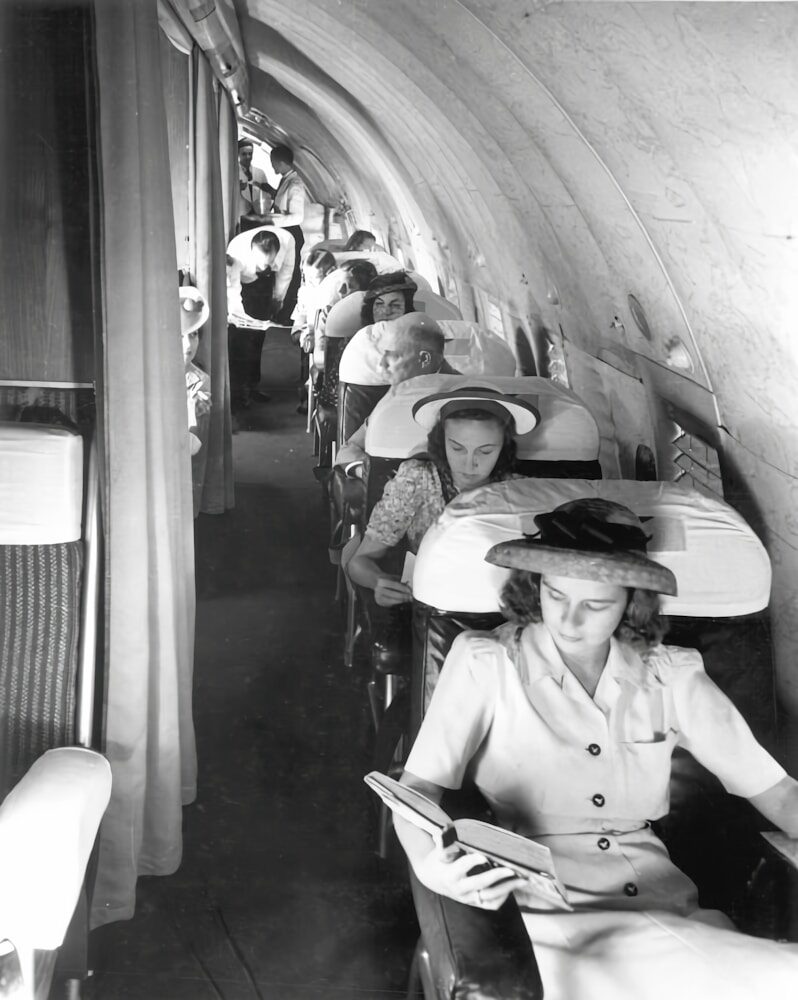
Travel can feel loud before the trip even starts. Airports, alerts, packed streets, group chats, and long lists of “must-see” places can turn a break into another job.
Quiet travel takes a different approach. The goal is not total silence. It is less noise, less rushing, and more control over your time.
What Quiet Travel Means
Quiet travel is a trip built around a slower pace, calmer spaces, and fewer demands. Hotels may use the word “hushpitality” for quiet rooms, reading retreats, nature stays, and low-stimulation spaces.
You do not need a silent retreat to use the idea. A normal city, family, or weekend trip can feel quieter when you plan fewer stops and choose the room with care.
Start With the Kind of Quiet You Need
Quiet means different things to different people. You may want less street noise, fewer people, less talking, less screen time, or more open time in the day.
If sleep is the main goal, our guide to sleep tourism and rest-focused trips can help you separate useful sleep habits from costly hotel claims.
Pick the Room Before the View
A great view is not much fun if the room is above a bar or beside an elevator. Ask for a room away from lifts, ice machines, event space, loading areas, and busy streets.
Recent guest reviews can also tell you more about noise than a hotel description. Look for repeated comments about walls, traffic, nightlife, and air-conditioning sound.
Simple gear can help too. Soft travel earplugs or a comfortable sleep mask can make a normal room easier to rest in.
Plan One Main Activity Per Day
A packed schedule creates alarms, lines, map checks, and constant decisions. Choose one main activity each day and leave the rest flexible.
Our guide to AI trip planning shows how to build a slower backup route instead of accepting a schedule that tries to fit everything into one day.
Reduce Digital Noise
Work messages, social feeds, news alerts, and group chats can follow you into the hotel room. Turn off the alerts you do not need.
You can also choose one or two short times each day to check messages. That keeps the phone useful without letting it set the pace of the trip.
Build in Solo Time
Friends and family do not always have the same energy level. Planned solo time can lower tension and make the group part of the trip better.
Agree on quiet mornings, reading time, naps, or a short walk alone before the trip. Clear expectations are easier than hurt feelings later.
Choose Calm Places, Not Just Remote Ones
Remote does not always mean quiet. A cabin may have road noise, generators, farm work, insects, or other guests nearby.
A smaller city or a quiet neighborhood can sometimes work better than a remote stay. Chloe’s Corner has a helpful guide to weekend trips from Phoenix for travelers who want gardens, food, and a slower pace.
Watch Heat, Weather, and Travel Stress
A quiet trip can still become stressful if the weather is wrong for the plan. Heat, smoke, storms, and long transfers can undo the calm you wanted.
Our coolcation planning guide explains how to check heat, smoke, room cooling, and weather backup plans before you book.
Use Reliable Travel Guidance
Quiet does not mean ignoring safety. Check transport, weather, entry rules, and local conditions before you travel.
The U.S. State Department traveler checklist is a useful official source for international trip preparation.
A Simple Quiet-Travel Checklist
- Choose the kind of quiet you want.
- Check recent hotel reviews for noise.
- Plan one main activity each day.
- Turn off work and news alerts.
- Agree on solo time with your group.
- Keep one weather backup plan.
- Leave some open time after you return home.
Common Mistakes to Avoid
- Booking a remote place without checking actual noise.
- Assuming everyone in the group wants the same pace.
- Filling a rest trip with back-to-back activities.
- Keeping work alerts active all day.
- Paying more for a “quiet” label without checking the room itself.
Common Questions
Is quiet travel the same as a silent retreat?
No. It can be a normal trip with fewer plans, a quieter room, less phone use, and more time to rest.
Can a city trip be quiet?
Yes. Stay on a calmer street, visit busy places early, use parks and small museums, and avoid packing every hour.
How do I plan quiet travel with children?
Use a slower day, a room with space, outdoor time, snacks, and one quiet family period instead of expecting total silence.
Do I need a luxury retreat?
No. The biggest gains often come from fewer plans, a better room, less phone use, and a calmer schedule.
A Good Trip Does Not Need to Shout
Quiet travel is about choosing how much noise, pressure, and input reaches you. Pick the room with care. Leave holes in the schedule. Turn down the phone. Give the people with you some space.
A trip can still have food, laughter, and discovery while giving your mind a softer place to land.
