Microplastics are now found in food, water, air, and dust. That can sound alarming. Still, the best response is not fear. It is a few simple habits that lower needless contact and make daily life easier.
Science is still working out what different levels of exposure mean for human health. We do not need to replace every plastic item in the house. We can focus on heat, food contact, worn items, dust, and smart buying.
What Microplastics Are
Microplastics are very small pieces of plastic. They are often less than five millimeters wide. Nanoplastics are even smaller. These particles can come from packaging, clothing, paint, tires, larger plastic items, and many other sources.
The FDA says current scientific evidence does not show that the levels found in food pose a proven human health risk. The agency also says more research is needed. That is a good reason to use calm, low-cost steps instead of extreme claims.
Start With Heat and Food Contact
Heat is a good place to start. Do not microwave food in old takeout tubs or worn plastic containers. Move hot food to glass or ceramic when that is practical.
Small changes work best when they fit normal life. Our guide to adding more fiber without bloat uses the same basic idea: change one habit at a time and give your routine time to adjust.
If you want to replace worn food containers, a set of glass food storage containers can be a simple place to start. Replace what is damaged first. There is no need to throw out every useful item at once.
Use a Reusable Bottle That Fits Your Routine
Bottled water is not always a clear answer to microplastics. A reusable bottle can cut waste and make it easier to carry water from a source you trust.
A bottle can also make steady hydration easier on hot days. Our heat dome safety guide explains why simple water and cooling habits matter when temperatures rise.
If you prefer to avoid routine plastic contact, a stainless steel water bottle is an easy option. Wash it often and follow the maker’s care directions.
Reduce Dust Inside the Home
Plastic fibers and other small particles can collect in household dust. Damp dusting and regular floor cleaning can help. These habits also reduce pollen, pet dander, and ordinary dirt.
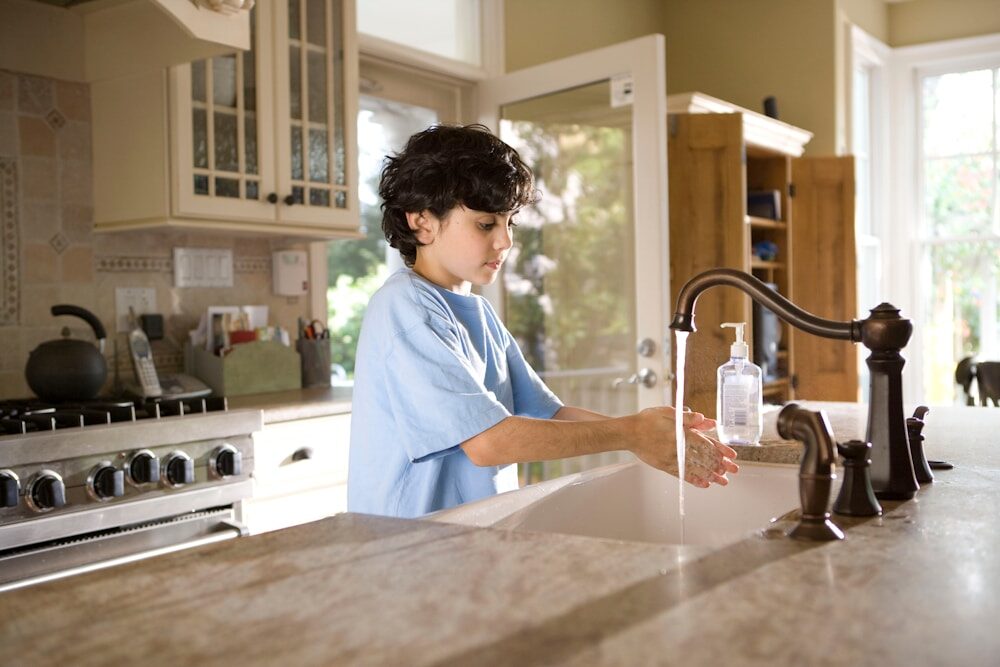
Use a damp cloth instead of pushing dust into the air. Vacuum rugs and carpet on a steady schedule. Wash hands before eating, especially after cleaning or working in dusty areas.
If your home needs stronger dust control, a HEPA vacuum may help capture very small particles. Buy for the job you have, not from fear.
Wash Synthetic Clothes With Care
Synthetic fabrics can shed fibers in the wash. You do not need to replace your whole closet. Use full loads when possible. Choose gentle cycles. Use lower heat when the fabric allows it. Keep clothes longer when they are still in good shape.
A laundry filter or fiber-catching bag may catch some shed fibers, but results can vary. Treat it as one tool, not a perfect fix.
Buy Less Single-Use Plastic When It Is Easy
Less packaging can mean less waste and less plastic moving through the house. Choose loose produce, refillable containers, or simple packaging when the price and quality make sense.
This does not need to become a strict lifestyle. The goal is to cut easy sources first and keep the changes that save waste, money, or effort.
Check Water Facts Before Buying a Filter
Do not buy a water filter only because an ad uses the word microplastics. Start with your local water quality report. Then check what a filter is tested to remove and what particle size it can capture.
If you use city water, our guide to NYC tap water safety and filter tips shows a useful way to start with local facts before buying treatment gear.
Replace filter cartridges on schedule. An old filter can work poorly. If you spend time outdoors, the same rule applies: match treatment to the water source. Noah’s Outdoors has a practical guide to water planning during primitive camping.
Replace Worn Plastic First
Do not rush to replace every plastic item. Start with the things that get heat, heavy wear, or direct food contact.
- Scratched food containers
- Old cutting boards that are deeply worn
- Damaged lids and cracked cups
- Single-use tubs used again and again
- Plastic items used with high heat when they were not made for it
Skip Detox Claims
No tea, powder, sauna plan, or supplement has been proven to remove microplastics from the body in a useful way. Be careful with products that promise a fast detox.
Fear can make a weak product sound urgent. A better rule is simple: use low-cost steps with other clear benefits, and wait for stronger evidence before spending money on a big claim.
A Simple Seven-Day Plan
- Day 1: Stop heating food in old or single-use plastic.
- Day 2: Replace one worn food container.
- Day 3: Damp-dust one main room.
- Day 4: Wash one full load of clothes on a gentle cycle.
- Day 5: Check your local water report.
- Day 6: Use a reusable bottle for the day.
- Day 7: Keep the changes that were easy and useful.
Common Questions
Are microplastics proven to harm people?
Researchers have found microplastics in the environment and in human samples. The health effects are still being studied. Current evidence does not give us a clear risk level for the amounts found in food.
Should I stop drinking tap water?
Not from fear alone. Check your local water report. Use a filter only when it matches a real need and has clear test data.
Is glass always best?
No. Glass avoids plastic contact, but it can break and it is heavy. Stainless steel, ceramic, and other materials can also work well for many jobs.
What is the best first change?
Stop heating food in worn or single-use plastic. It is simple, cheap, and easy to keep doing.
Choose Calm Reduction Over Perfect Purity
Plastic is part of modern life. A plastic-free home is not realistic for most people. A calmer goal works better. Reduce heat and wear. Clean dust. Use fewer single-use items when it is easy. Check claims before buying.
These steps will not remove every microplastic from life. They can lower avoidable contact, cut waste, and keep fear from driving the plan.
This article is for general education. It is not personal medical advice.