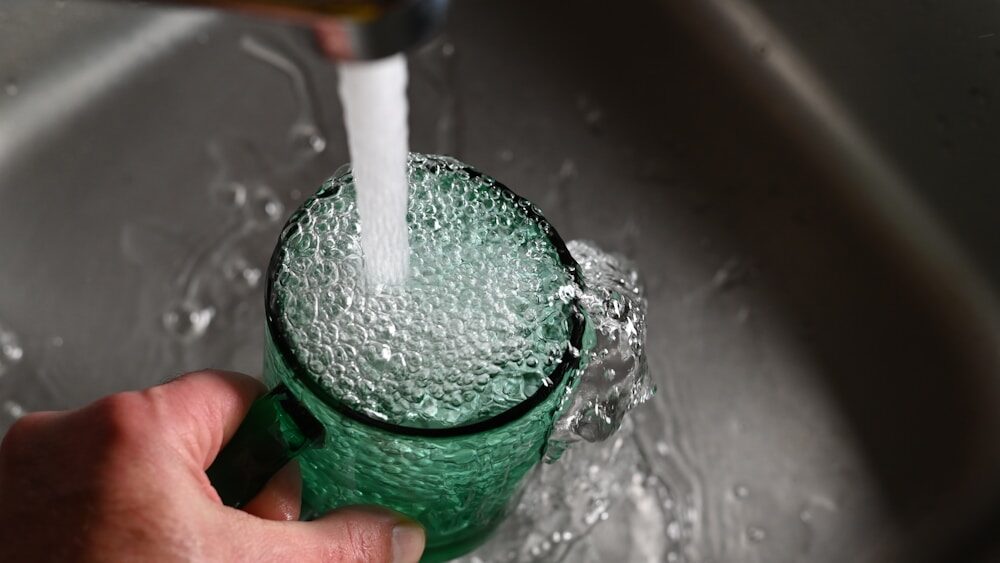
Yes. New York City tap water is generally safe to drink. The city has a large protected water system, and its drinking water is tested again and again.
The part that deserves more care is the building. Older pipes, service lines, and fixtures can change the water after it leaves the city system. That is why a simple answer needs a little context.
Why NYC tap water has a good name
New York City gets most of its drinking water from protected watersheds north of the city. The system includes 19 reservoirs and three controlled lakes. Water then travels through a huge network of aqueducts, tunnels, and mains.
The city says its water meets or exceeds federal and state standards. The New York City Department of Environmental Protection also explains that the water is virtually lead-free when it reaches the city system.
That gives visitors one less thing to worry about. If you are also trying to keep a trip affordable, our guide to the cheapest time to visit New York City can help with the bigger budget picture.
Where lead can enter the water
Lead usually does not come from the city reservoir water. It can enter later through an old service line, solder, pipes, or fixtures inside a building.
Older homes deserve the most attention. New York City notes that some homes built before 1961 may still have lead service lines. Some newer buildings can also have older plumbing parts or fixtures that contain lead.
This is why the same city water can taste or test differently from one building to another.
Easy habits that lower risk
You do not need a complicated routine. A few simple habits cover most situations.
- Use cold tap water for drinking and cooking.
- If water has sat for hours, run the cold tap until it gets clearly colder.
- Clean the faucet aerator from time to time.
- Test the water if the plumbing is old or unknown.
- Use a filter made for lead reduction if you need one.
If you want an extra layer of protection, look for an NSF-certified lead-reducing water filter and follow its replacement schedule. A filter only works well when it is used as directed.
What if the water is brown or cloudy?
Brown water can happen after water-main work, hydrant use, or other changes that move sediment through the pipes. In many cases, the problem is short-lived.
Run the cold water and see if it clears. Avoid doing laundry until the water looks normal. If the problem continues, report it to the city through 311.
Cloudy water can also come from tiny air bubbles. Fill a clear glass and let it sit. If the water clears from the bottom upward, air was likely the cause.
Do visitors need bottled water?
Most visitors do not need to buy bottled water for a normal hotel stay. If the tap runs clear and cold and there is no local warning, city tap water is usually the easy choice.
A reusable bottle can also save money during a long day. A simple insulated reusable water bottle is useful for subway rides, walks, parks, and sightseeing.
If you are planning a day around Manhattan, learning how to use the New York City subway can make it much easier to refill, move around, and avoid carrying too much.
What about older hotels and apartments?
Age alone does not mean the water is unsafe. But an older building may have older plumbing. If the faucet has not run for hours, let the cold water run first. If the water stays discolored or tastes strongly metallic, ask the hotel or host about recent plumbing work.
For a broader look at staying in the city, this Tuars guide to a New York City dining experience is a useful reminder that small details like location, timing, and comfort can shape a whole trip.
Babies and infant formula
Use cold tap water when preparing infant formula. Hot tap water can pull more lead and other metals from plumbing. Heat the cold water separately if needed.
If the building plumbing is unknown, a lead test or certified filter can add useful protection. This matters more for babies and young children because lead exposure can be especially harmful to them.
Should you test the water?
Testing makes sense when you live in an older building, do not know the service-line material, or have a reason to worry about the plumbing. Lead has no reliable taste, smell, or color, so a test is more useful than guessing.
If you are staying only a few days, basic steps are usually enough. Run stale water, use the cold tap, and pay attention to any local notice.
A simple answer for NYC travelers
Yes, you can generally drink New York City tap water. The city supply itself has a strong safety record. The main unknown is the plumbing inside an older building.
Use cold water. Let it run after it has been sitting. Test when you have a real reason to be concerned. Use a certified filter when needed.
And if tap-water questions are only one part of a larger city trip, our New York City safety guide for tourists covers the everyday habits that matter most.