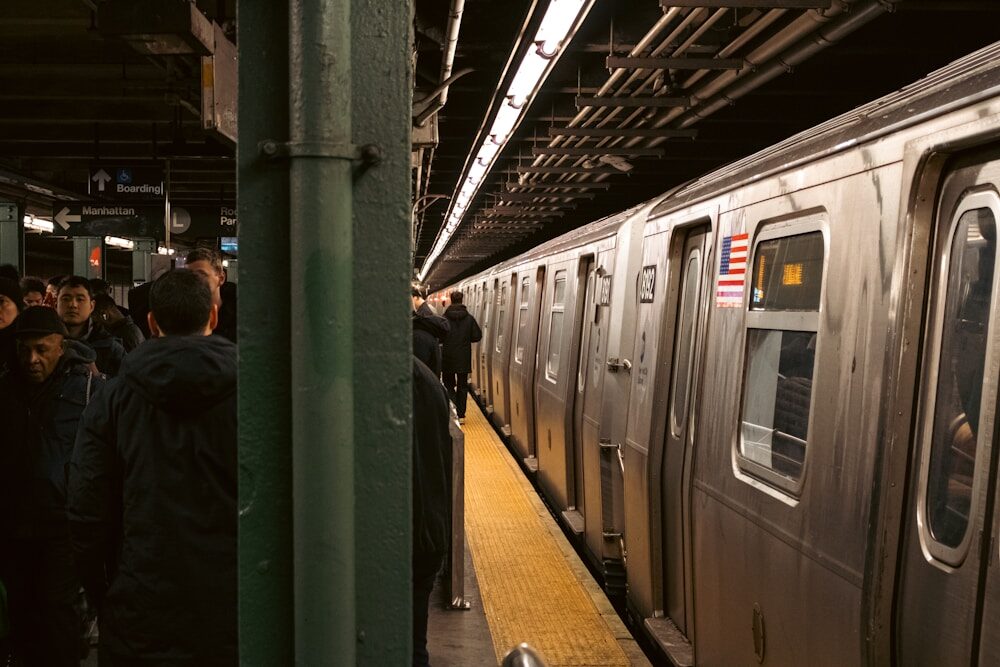
The New York City subway can look confusing at first. Lines cross, platforms split, and trains move fast.
The good news is that you do not need to learn the whole system before your first ride. You only need to understand one trip at a time.
Once you know the route, direction, and stop, the subway gets much easier. This guide walks through the basics in plain language.
Paying for the subway in 2026
The subway fare is $3 for most riders. The easiest way to pay is with OMNY. You can tap a contactless credit card, debit card, phone, watch, or OMNY card at the turnstile.
Use the same card or device every time. That helps OMNY track free transfers and the weekly fare cap. Our guide to how the OMNY fare cap works explains the current $35 seven-day cap in more detail.
The MTA subway and bus fare page is the best place to check current fares and payment rules before you travel.
Know four things before you board
1. Know the route
New York subway routes use letters or numbers. You ride the A, C, E, 1, 2, 3, and so on. The line color can help on the map, but the letter or number is what matters most.
2. Know the direction
In Manhattan, signs often say uptown or downtown. In other areas, signs may use the name of the final station instead. Check the direction before you walk through the turnstile.
3. Know whether the train is local or express
Local trains stop at more stations. Express trains skip some stops. If you are unsure, check the route map before you board.
4. Check for service changes
Weekend work, late-night changes, and delays are normal parts of subway travel. Check the MTA app or website before a trip that matters.
How to plan one subway trip
Do not try to memorize the full map. Focus on five simple facts:
- your starting station
- the route letter or number
- the direction
- whether the train is local or express
- the station where you get off
A map app can handle most of this. A small portable phone charger can also be useful if you rely on your phone for directions all day.
Read the station entrance signs
Before you go downstairs, read the signs at the station entrance. Some entrances only serve one direction.
If you enter on the wrong side, you may need to come back to street level and cross the road. Ten seconds of checking can save a lot of time.
At the turnstile
Tap your card, phone, watch, or OMNY card once. Wait for the reader to say you can go. Then walk through.
Each rider should use a separate payment method when possible. Keep using the same method for the rest of your trip.
On the platform
Check the platform signs before the train arrives. Look for the route, direction, and local or express service.
When the train arrives, check the letter or number on the train too. That quick second check can prevent a wrong ride.
Local versus express
Local trains stop at every local station on their route. Express trains skip some stations so they can move faster.
If your stop is local only, do not take an express train past it. When in doubt, a local train is often easier for a first ride.
What to do on the train
Let riders leave before you get on. Move away from the doors when you can. Keep bags close and hold a pole if you are standing.
Newer trains have screens that show upcoming stops. You can also follow your route on your phone. A simple crossbody travel bag can help keep your phone, wallet, and card close in busy stations.
Common first-time mistakes
Going the wrong way
This is the most common mistake. Check the direction before you enter.
Taking an express train past your stop
Check whether your station is served by the train you are boarding.
Switching payment methods
Use one card or device for the full trip. This is important for transfers and fare-cap tracking.
Panicking after a mistake
If you miss your stop, get off at the next station and correct the route. It happens to locals too.
When walking or the bus may be easier
Not every trip needs the subway. A short walk may be faster. A bus may also be easier if it gets you closer to the door.
If you are planning several days in the city, our guide on whether you need a car in New York City explains why transit is usually the easier choice for visitors.
Subway safety and comfort
Most rides are routine. Stay aware, keep valuables secure, stand back from the platform edge, and move to a busier car if one feels too empty late at night.
For a broader look at city travel habits, see our guide to New York City safety for tourists.
Accessibility matters
Not every subway station is fully accessible. If you use a wheelchair, stroller, or heavy luggage, check elevator access before leaving.
This kind of planning also helps on longer travel days. Tuars has a useful look at a New York City dining experience in Tribeca if you want to pair your subway trip with a stop downtown.
Your first ride can be simple
The subway feels huge when you look at the full map. One trip is much smaller.
Choose the route. Check the direction. Tap in. Board the right train. Get off at your stop.
After a few rides, the signs start to make sense and the system feels much less intimidating.