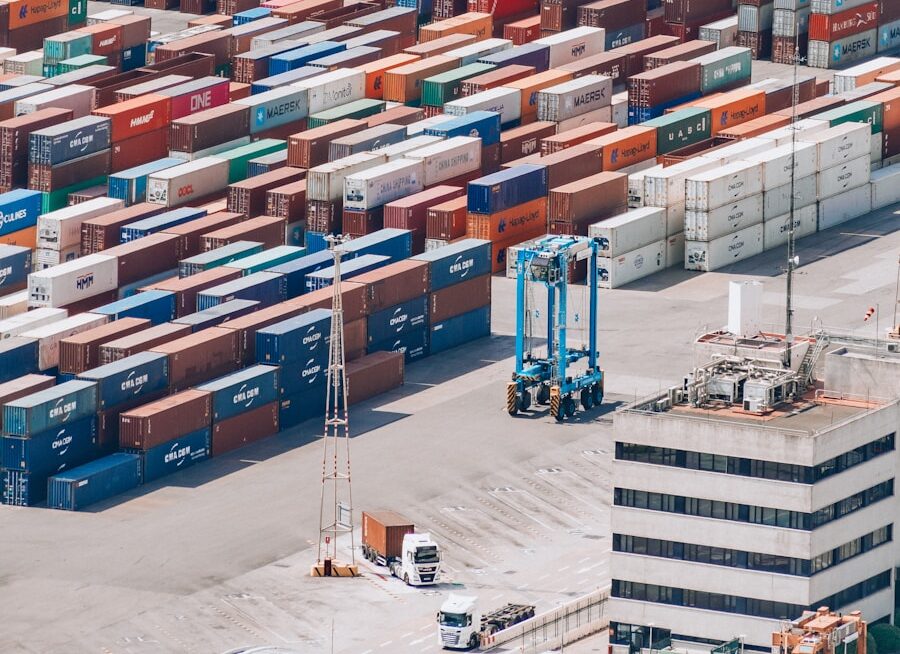
Tariffs can sound like a wall of policy talk. The basic idea is simple. A tariff is a tax placed on an imported good. The importer pays it when the product enters the country. That cost can then move through the supply chain and reach a store, a job site, a farm, or a family budget.
The hard part is not the definition. The hard part is keeping up with rates, dates, court rulings, product lists, and new trade actions. A headline can make a policy sound final when it is still changing. A calm reading method helps us tell the difference.
What Changed in 2026
Tariff policy has stayed active in 2026. New actions can use different trade laws. That matters. A court ruling on one legal power does not erase every tariff. It only affects the tariffs tied to that power.
On September 8, 2026, the U.S. Trade Representative announced new action tied to trade with Canada under Section 338 of the Tariff Act of 1930. The details show why we should check the law, product list, date, and rate. A short headline is not enough.
A Supreme Court ruling earlier in 2026 changed the ground for some tariffs. Our guide to the Trump tariffs Supreme Court ruling explains that part in plain language. Our U.S.–Canada trade fight guide looks at how trade moves can affect cars, repairs, food, fuel, and other costs.
What a Tariff Does to a Price
A tariff starts at the border, but it can end up in many places. An importer may absorb part of it. A supplier may raise a quote. A store may raise a price or cut a sale. A factory may change parts or suppliers. The result is not always a one-for-one price jump.
Think of the cost as moving down a chain. If a part costs more, the finished item may cost more later. If a business has old stock, the price may not move at once. If demand is weak, a seller may accept a smaller margin for a while.
This is also why a tariff is not the same as a junk fee. Our guide to hotel and ticket junk fees explains a different kind of added cost that shoppers may see at checkout.
How to Read a Tariff Headline
Start with five questions. What product is covered? What country is named? What rate applies? When does it start? What law or order created it?
Then check the source. A speech can signal a plan. A press release can explain an action. An official notice can give the working details. Do not stop at the headline. Tariff rules can include exceptions, quotas, country rules, product codes, and start dates. Those details can change the real cost.
A Simple Plan for Small Businesses
Small businesses do not need a giant trade desk. We can keep a short list of the products and parts that matter most. For each one, note the supplier, country of origin, current price, lead time, and tariff risk.
Then make three price cases. Use the current cost, a moderate increase, and a larger increase. This gives us a range before a supplier sends a surprise quote.
A short business report can help a team keep one clear record. It can show what changed, why it matters, and what comes next. A basic calculator can make quick margin checks easier, and a simple file organizer can keep invoices and supplier notes together.
Keep quotes short when costs are moving. Do not promise a price for months if your supplier only holds it for days. Tell customers when a surcharge is temporary and when you will review it.
What Shoppers Can Do
Most families do not need to rush out and buy everything before a tariff starts. That can waste money. Focus on items you already plan to buy.
For a large purchase, compare the full price at more than one store. Look at last year’s model. Check repair costs before replacing an item. If a product has several brands, compare the features you really use.
Price changes can arrive slowly because stores may still have older inventory. A new shipment may cost more even when the item on the shelf looked stable for weeks.
What Farmers and Producers Should Watch
Farmers can feel tariffs from two directions. Imported inputs may cost more. At the same time, another country can answer with its own tariffs on U.S. exports.
That can affect equipment, parts, fertilizer, packaging, and market demand. The effect depends on the product and trade partner. The safest move is to watch both input costs and buyer demand.
The Bottom Line
Tariff news is easier to handle when we slow it down. First find the product, country, rate, date, and legal basis. Then ask how the cost could move through the supply chain.
We do not need to predict every trade fight. We need a simple system that tells us what changed and what we should do next. That turns a loud headline into a practical decision.