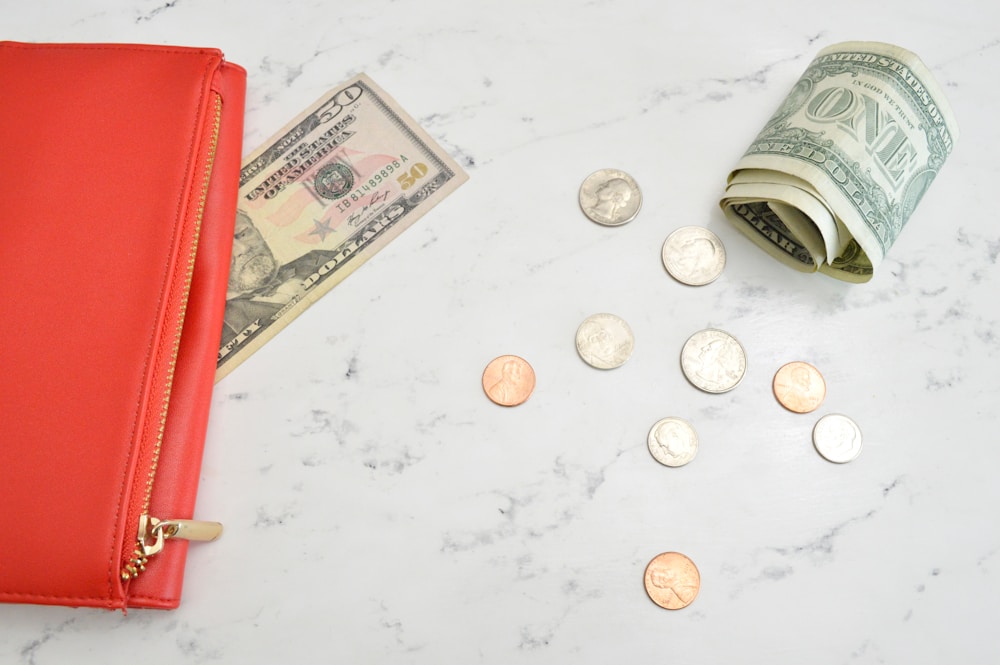
A money reset should make life feel calmer, not tighter. You do not need a perfect budget or a long list of rules. You need a simple plan that shows where your money goes and what needs your attention first.
Start with what is true today. Look at your income, bills, debt, and savings. Then make one small change at a time. A steady plan is easier to keep than a hard plan that lasts two weeks.
Track spending for two weeks
For 14 days, write down every purchase or review your bank and card activity. Do not judge it yet. You are only trying to see the pattern.
Put each expense into one of three groups: needs, wants, and future. Needs include housing, food, utilities, medicine, and basic travel. Wants include fun and extras. Future includes savings and extra debt payments.
This simple review shows where the money is going before you try to change it.
Pick a budget you can live with
Some people like the 50/30/20 idea. It puts about half of take-home pay toward needs, 30 percent toward wants, and 20 percent toward savings or debt.
That split is only a guide. Your housing or health costs may make it impossible. That does not mean the budget failed. Change the numbers so they fit your real life.
The goal is to give every dollar a job without making daily life feel harsh.
Build a bill map
Bills feel harder when dates and amounts are scattered. Put them in one place.
List each bill, its due date, the usual amount, and whether it is on auto-pay. Check the list once a week. This can help you see tight weeks before they arrive.
A simple budget planner can help if you prefer paper. An accordion file organizer can also keep statements, tax papers, and other money records in one place.
Start a small emergency fund
An emergency fund is money set aside for a true surprise, such as a repair, medical bill, or sudden loss of income. You do not have to save several months of expenses on day one.
Start with a small target. Try $250, then $500, then one month of basic needs. Even a small cash cushion can keep one surprise from becoming new debt.
The Consumer Financial Protection Bureau says a reserve fund can help people avoid turning to credit or loans when an unexpected cost appears.
A high-yield savings account can be useful for money that needs to stay safe and easy to reach while still earning interest.
Choose one debt to attack
If you have several debts, keep the plan simple. Pay the minimum on each account, then send extra money to one debt.
You can start with the debt that has the highest interest rate. This may save the most money over time. Or you can start with the smallest balance if a quick win helps you stay motivated.
Either method can work. The best one is the one you can keep using.
Avoid adding new debt while you are paying old balances down unless the new debt is truly needed.
Cut waste before you cut joy
A calmer budget does not need to remove every small pleasure. Look for waste first.
Cancel one service you no longer use. Ask for a lower phone or internet plan. Compare insurance when renewal time comes. Cook at home a little more often. If food spending is hard to judge, this weekly grocery budget guide can give you a useful starting point.
Home energy costs can be another place to look. Large upgrades are not always the first answer, but our guide to heat pumps, insulation, and energy credits can help you understand when an upgrade may lower long-term costs.
Small cuts are easier to keep when they do not make you feel punished.
Give yourself a weekly money day
Pick one day each week and spend about 15 minutes on money.
Check balances. Look at the next bills. Move a little money to savings. Make any planned extra debt payment. Then stop.
A short weekly check is often easier than waiting until money feels urgent.
Plan for irregular costs
Not every bill comes every month. Car repairs, school costs, gifts, insurance, and annual fees can still surprise you.
Make a short list of these costs. Divide each yearly amount by 12 and save a little each month. Even if the amount is not exact, a small reserve can soften the hit.
The same idea works for travel. Planning around cheaper times to visit New York City can lower the cost before you even book it.
Make the reset fit your life
Your plan should bend when life changes. Income can rise or fall. Food, housing, and insurance can change. A good budget leaves room to adjust.
If money is tight, protect food, housing, medicine, utilities, and transport first. Then work on the next most important goal.
If you get extra money, decide what it should do before it disappears. You might split it between savings, debt, and something fun.
Keep the next step small
A money reset works when it lowers stress and makes the next choice easier.
You do not need to fix everything this week. Track your money. Map your bills. Build a small cash cushion. Pick one debt. Then check in once a week.
Small moves can create a much steadier year.