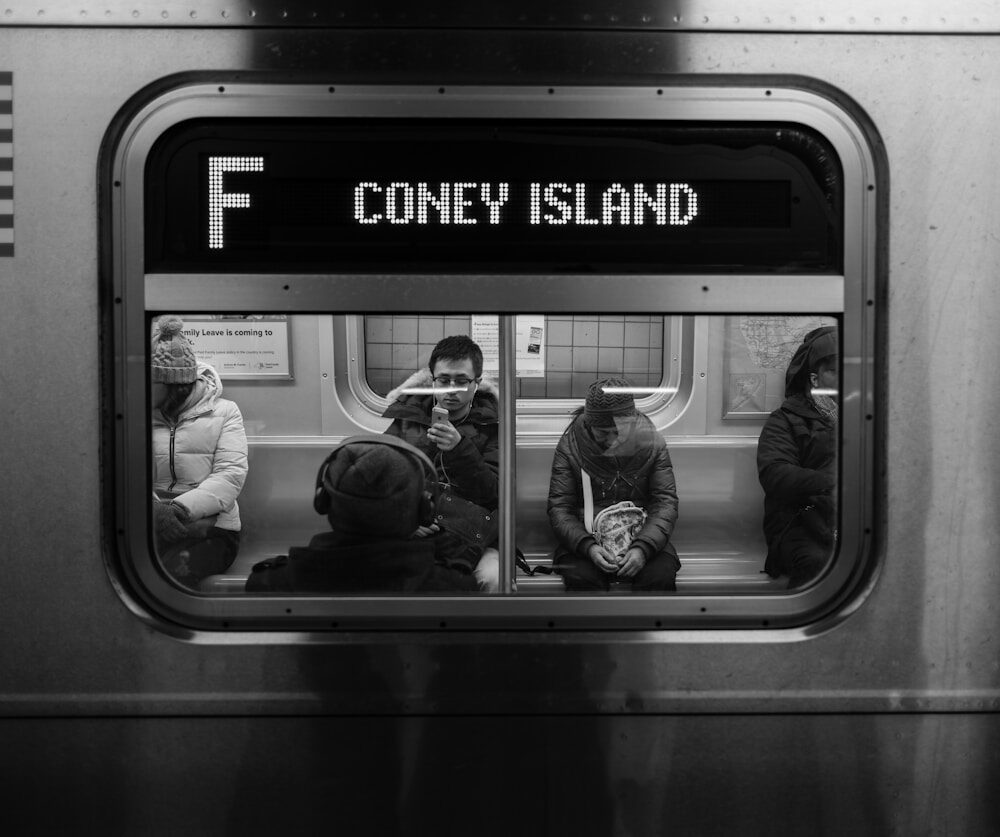
New York transit is easier when you know one simple rule: pick one payment method and keep using it. OMNY tracks your paid rides and can stop charging you after you reach the weekly fare cap.
For visitors, that means you can tap a contactless card, phone, watch, or OMNY card instead of buying a weekly pass before you know how much you will ride.
What OMNY Is
OMNY is the MTA’s tap-and-go fare system. Readers are available at subway entrances and on buses. You can use a contactless bank card, a mobile wallet, or an OMNY card.
If the subway itself is new to you, start with our guide to using the New York City subway for the first time. OMNY handles payment, but knowing the basic subway routine makes the whole trip easier.
The 2026 Fare and Weekly Cap
As of 2026, the regular subway and local-bus fare is $3.00. The weekly OMNY fare cap is $35 for full-fare riders.
The MTA’s 2026 fare materials show the $3 base fare and $35 weekly cap. Once you reach the cap with the same payment method, eligible rides for the rest of that seven-day period are free.
Use the Same Card or Device Every Time
This is the most important OMNY habit. Your physical card, phone wallet, and watch may look like one account to you, but the fare system can treat them as different payment methods.
If you start the week with your phone, keep using that phone. If you start with a physical card, keep using that card.
Why Visitors Miss the Fare Cap
The most common mistake is switching payment methods. A traveler may use a phone in the morning, a card later, and a watch at night. Those rides may not all count toward one cap.
Keep the system boring. One rider. One payment method. One steady habit.
Can One Card Pay for Several People?
One card or device can be used to pay for more than one rider in some cases. But group taps do not all build the main rider’s weekly cap in the same way.
For a short visit, one payment method may be simple. For a longer stay with heavy subway use, separate payment methods can make more sense for each rider.
Transfers Still Matter
OMNY supports eligible free transfers between subway and bus trips. Use the same payment method for the transfer so the system can connect the rides.
Switching from a phone to a plastic card during the same trip can break that connection and may cause another charge.
OMNY Works Well for Big Event Trips
Big events can mean several subway rides in one day. That makes a steady payment method even more useful.
Our guide to NYC travel lessons from the 2026 World Cup explains why transit, hotel location, and simple event-day routes matter when the city is busy.
Do You Need an OMNY Account?
No. You can tap and ride without creating an account.
An account can still be useful if you want to track charges or review your rides. For a one-day visit, you may not need it. For a week of frequent riding, it can be helpful.
Phone or Physical Card?
Both work. A phone is fast, but battery life matters. A physical card works without a charged phone.
A small portable power bank can help if you plan to use your phone for OMNY, maps, tickets, and photos all day. A slim card holder can keep one contactless card easy to reach if you prefer a physical card.
What About Driving Instead?
Some visitors compare the subway with driving, taxis, or rideshare. The real cost can include tolls, parking, traffic, and congestion pricing.
CatchWMW explains NYC congestion pricing for visitors and drivers. Tuars also has a broader look at New York congestion pricing after its first year.
A Simple OMNY Checklist
- Use one payment method for the whole seven-day period.
- Use the same method for transfers.
- Remember the 2026 full fare is $3.00.
- Remember the full-fare weekly cap is $35.
- Give frequent riders separate payment methods when it makes sense.
- Keep your phone charged if it is your fare device.
Tap and Keep Moving
OMNY works best when you keep it simple. Pick one card or one device and use it for every eligible ride.
You do not need to become a transit expert. A steady payment habit is enough to make the fare cap work the way it was designed to work.