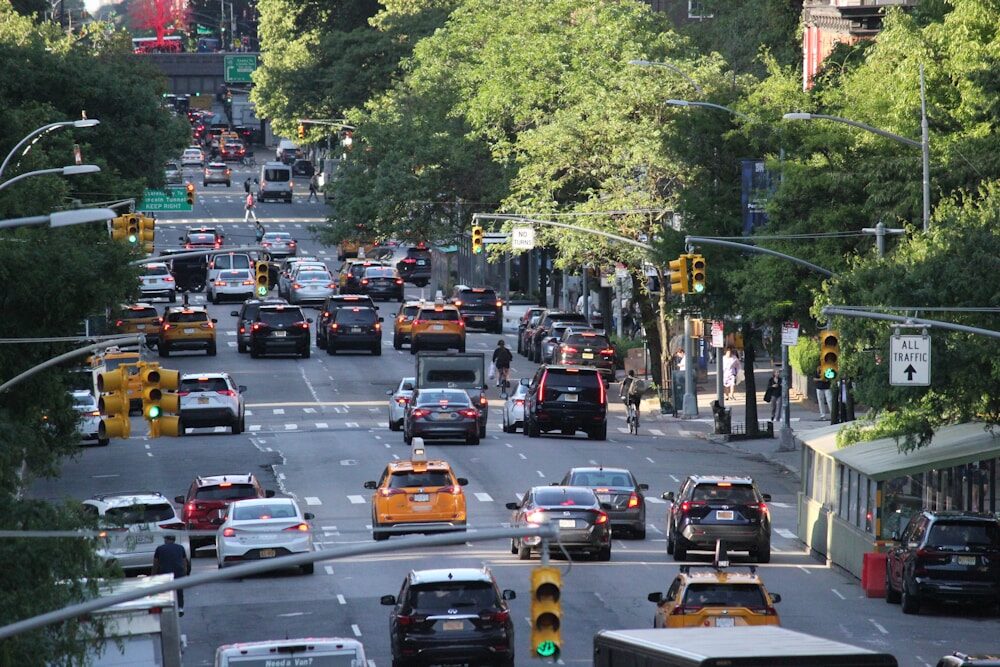
NYC congestion pricing can sound harder than it is. If you drive into the busiest part of Manhattan, you may have to pay a toll.
The key is knowing where the zone starts, what roads are excluded, and how your payment method changes the price. For many visitors, transit is still the easier choice.
Where the Congestion Relief Zone Is
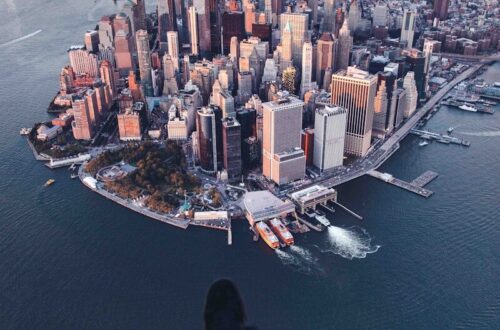
The Congestion Relief Zone covers local streets and avenues in Manhattan at or below 60th Street. That includes much of Midtown and Lower Manhattan.
Some through roads are excluded when you stay on them. These include the FDR Drive and the West Side Highway. But if you leave an excluded road and enter local streets in the zone, the toll can apply.
If your trip is mostly inside Manhattan, think twice before bringing a car. Our guide on whether you need a car in New York City explains why parking, traffic, and tolls can make a car more work than help.
What Most Passenger Cars Pay
For a passenger vehicle with a valid E-ZPass, the current peak toll is $9. The overnight toll is $2.25.
Peak hours run from 5 a.m. to 9 p.m. on weekdays and from 9 a.m. to 9 p.m. on weekends.
Passenger cars and small commercial vehicles are charged once per day. Drivers without E-ZPass pay higher Tolls by Mail rates.
The MTA keeps the current rates, zone map, discounts, and exemptions on its official congestion pricing page. Check it before a trip because rules can change.
Taxis and Rideshares Work Differently
Taxi and for-hire riders may see a small charge added to each trip that goes to, from, within, or through the zone.
The current charge is $0.75 for taxis, green cabs, and black cars. High-volume for-hire vehicles have a $1.50 per-trip charge.
That can make the subway more attractive for short trips. If you plan to use transit, our OMNY guide explains the current fare cap and how to avoid tap mistakes.
Driving From New Jersey
If you enter the zone through the Lincoln Tunnel, Holland Tunnel, Queens-Midtown Tunnel, or Hugh L. Carey Tunnel during peak hours, you may qualify for a crossing credit when you use a valid E-ZPass.
For passenger vehicles, that credit can be up to $3.
Do not guess at the final cost. Route, time, vehicle type, and payment method all matter.
For another useful view of the program, see this look at New York congestion pricing after its first year.
What Rental-Car Drivers Should Check
Rental cars can turn a simple toll into a larger bill. The toll itself may be only one charge. The rental company may also add service or daily toll-plan fees.
Read the toll terms before you leave the lot.
If you plan to drive, an E-ZPass holder can help keep a transponder mounted where it can be read. A sturdy car phone mount can also make navigation easier without holding your phone.
Do not let a small toll device or navigation problem become a bigger driving problem.
What Hotel Guests Should Know
Many Manhattan hotels sit inside the zone. If you drive to a hotel below 60th Street, the congestion toll may apply before you even park.
Then parking can add much more.
Before you book, check the hotel address, parking price, and transit options. Our first-time NYC subway guide can help if you decide to leave the car outside Manhattan and ride in.
For many trips, that is the calmer plan.
A Simple Visitor Strategy
If you are flying into New York and staying in Manhattan, you often do not need a rental car at all. Use the subway, commuter rail, bus, ferry, taxi, or rideshare as needed.
If you need a car for a road trip after your city stay, rent it on the day you leave.
That can cut parking fees, tolls, and stress.
The real question is not whether the toll is fair. It is whether driving is worth the full cost for your trip.
For many visitors, the answer is no. For some people, a car is still the right tool. The best plan is the one that fits your route, your needs, and the current rules.