Getting to a big event is never just about distance. The hard part is timing, crowds, closed roads, and getting a whole group to the same place at the same time.
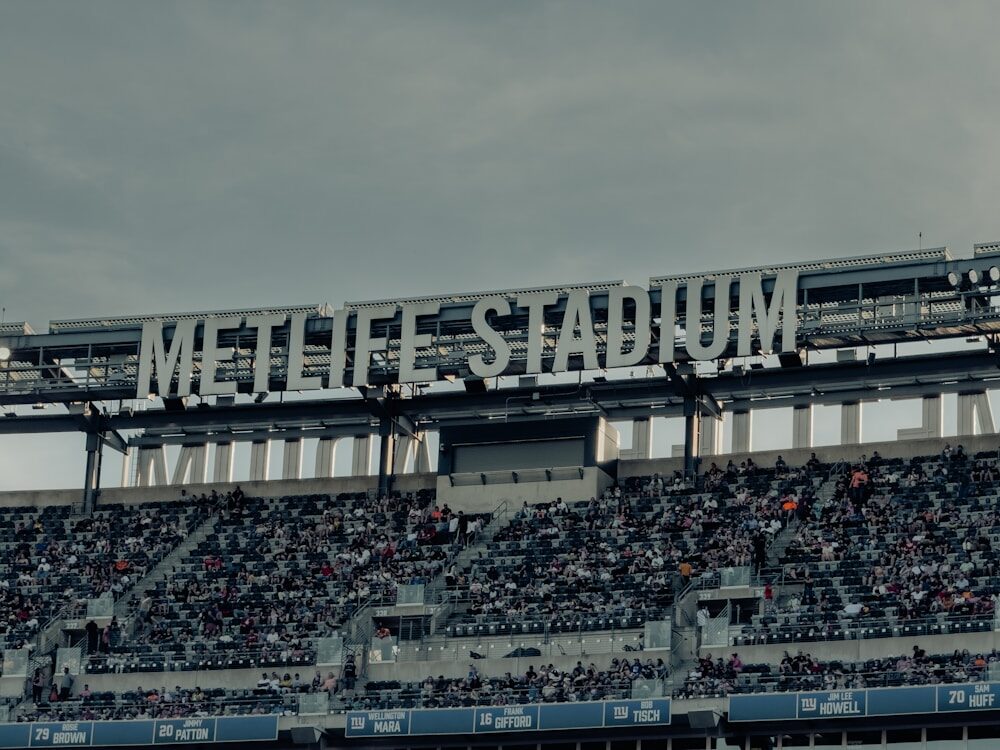
The 2026 World Cup made that clear at MetLife Stadium. The tournament is over now, but the travel lessons still matter for football games, concerts, and other major events at the Meadowlands.
The Biggest Lesson: Do Not Treat MetLife Like a Normal Drive
For a huge event, driving straight to the stadium can be the hardest choice. Traffic builds fast. Pickup zones move. Parking rules change. Rideshare waits can grow long after the event.
A better plan is to think in steps. First, get to the right rail or bus hub. Then make the last move to the stadium. That simple idea helped many fans handle World Cup crowds with less stress.
If you are staying in Manhattan, our guide to visiting NYC for a big event gives the same basic advice: keep the day simple and leave room for delays.
Secaucus Is the Key Rail Connection
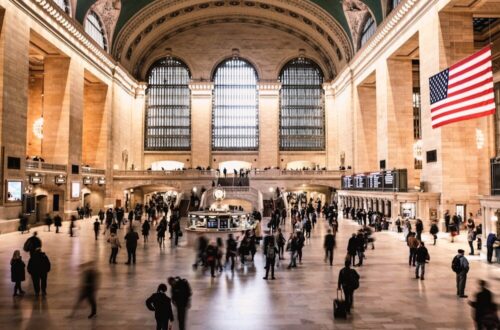
For events with rail service, NJ TRANSIT says riders from New York Penn Station can take a train that stops at Secaucus Junction. From there, they can transfer to a Meadowlands shuttle train that stops near MetLife Stadium.
The agency also notes that there is no direct train from New York Penn Station to the stadium. That makes Secaucus the part of the trip we need to understand before we leave the hotel. Check the official NJ TRANSIT Meadowlands guide before each event because schedules and service can change.
If you are using the subway before the NJ TRANSIT leg, our OMNY guide for NYC visitors can help you handle the city part of the trip.
Plan Backward From the Event Start
Start with the event time. Then work backward. Add time for the train, the transfer, security, walking, food, bathrooms, and slow-moving lines.
Do not plan to arrive fifteen minutes before kickoff or showtime. That turns one small delay into a bad day. Arriving early gives you room to miss one train and still be fine.
The World Cup also showed that the return trip needs just as much thought. After a large event, tens of thousands of people may head for the same station at once. Expect a line. Keep your group together. Follow staff directions. Do not waste energy hunting for a shortcut.
Keep Match Day or Concert Day Light
One mistake is packing too much into the same day. A museum, long lunch, shopping trip, and stadium event may look easy on a map. In real life, it can feel rushed.
Eat early. Charge your phone. Carry less. Know where you are going before the crowd gets thick. A small portable phone charger can be useful because tickets, maps, train times, and hotel details may all live on the same device.
Take screenshots of the most important details before you leave. Save the hotel address. Save the meeting point. Make sure more than one person knows the route home.
Choose Your Hotel by the Full Route
A hotel that looks close to MetLife Stadium is not always the easiest hotel for the event. A hotel farther away may have a simpler rail connection. That is why the full route matters more than miles on a map.
Our look back at where World Cup fans stayed around New York shows the tradeoff. Manhattan gives you the full city trip. New Jersey can make the stadium leg easier. Neither choice is perfect for everyone.
If you plan to drive in or around Manhattan before heading to New Jersey, this New York congestion pricing guide explains another cost and route issue that can affect the day.
Carry Less Than You Think
Big events are easier when you travel light. Extra bags slow security lines and become one more thing to watch all day.
Bring only what you need. Think phone, ID, payment card, medicine, and weather basics. If the event allows it, a small clear stadium bag can make entry simpler. Always check the current stadium bag rules first.
Wear shoes you already trust. A stadium day can mean far more walking and standing than expected.
Make the Group Plan Boring
A good group plan is simple enough for everyone to remember. Pick one clear meeting point in case people get split up. Avoid vague plans such as “meet near the entrance.”
Give each person the hotel address and the basic route back. Do not let one phone hold every ticket, map, and travel detail if you can avoid it.
This may feel overly careful before the event. It feels smart when a phone battery dies or the crowd breaks the group apart.
Rideshare Works Better as a Backup
Rideshare can help, but it is risky as the whole plan for a huge event. Prices can rise. Drivers can cancel. Pickup zones can move. Roads can close.
Use rideshare when you understand the event pickup rules and have a backup. Do not assume a car can pull up to the gate when thousands of other people are leaving too.
The Simple MetLife Event Plan
The World Cup made one thing clear. Big days go better when the basics are handled early.
- Check the event travel plan before you leave.
- Know whether rail service is running.
- Understand the Secaucus transfer.
- Arrive early.
- Carry less.
- Save key details on your phone.
- Plan the return before the event starts.
That is not a perfect plan. No plan controls a stadium crowd. It does give you breathing room, and that is often the difference between a stressful event day and a great one.