Pituffik Space Base is a U.S. base in northwest Greenland. For many years, it was called Thule Air Base. In 2023, the U.S. Space Force gave it a new name. The name Pituffik comes from the land and the people who have long lived in this part of Greenland.
The base is far north, more than 700 miles above the Arctic Circle. It is cold, dry, and hard to reach. That is also why it matters. Its crews help watch the sky, track objects in space, and give early warning of threats.
Where the base sits
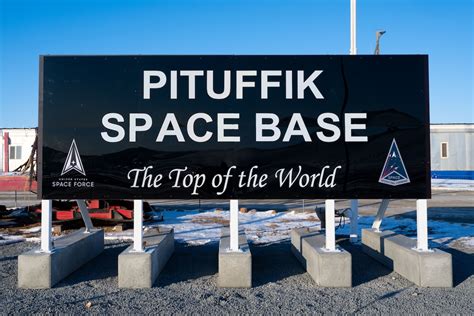
Pituffik sits on the west side of Greenland near North Star Bay. It has a long runway, a port, radar, and staff who stay all year. The town of Qaanaaq is the closest town, but the base is still far from most homes and roads.
The site is part of the wider story of Greenland and its role in the Arctic. Greenland is part of the Kingdom of Denmark, yet it runs many of its own affairs. U.S. work at the base rests on deals with Denmark, with Greenland now playing a much larger part in talks about its land and future.
Why the name changed
The old name, Thule, had been used for decades. In April 2023, the Space Force changed it to Pituffik Space Base. The goal was to honor the local name and make the base’s space role clear.
The U.S. Space Force account of the change says Pituffik is the old Greenlandic name for the area. The new name links the base more closely to the place where it stands.
Why Pituffik matters
The far north is a short path between North America and parts of Europe and Asia. That makes it useful for radar and early warning. A threat that moves over the pole may pass near this part of the world.
Pituffik helps detect and track missiles. It also helps track objects in space and supports satellite work. These jobs give leaders more time to see what is happening and decide what to do.
This is why the base often comes up in talks about U.S. interest in Greenland. The United States already has a major base on the island. It does not need to own Greenland to work from Pituffik.
From the Cold War to space work
The base grew during the Cold War. U.S. leaders wanted more time to spot planes and missiles that might cross the pole. A base in north Greenland gave radar a strong place to watch the sky.
The job has changed with time. Planes still use the base, but space work is now a large part of the mission. Satellites help with maps, weather, clocks, phones, and defense. Pituffik helps keep that system in view.
Life in the cold
A base this far north needs good plans. Heat, fuel, food, water, power, and spare parts must be ready. Ice can slow ships. Bad weather can delay flights. A small problem can become a big one fast.
Warm gear matters too. A pair of insulated winter gloves can help protect hands in deep cold. A vacuum-insulated bottle can help keep a drink from getting cold too fast.
For a simple look at gear that works in rough outdoor settings, Noah’s Outdoors has a guide to portable cooking setups. A military base is not a camp, but both show the same basic truth: remote places need gear that works and backup plans that make sense.
The people and the past
Pituffik also has a hard human past. Inuit families were moved from the area as the base grew in the Cold War years. That history still matters in Greenland.
The base is not on empty land. It is part of a place with people, memory, and its own goals. That is one reason the new name had weight, even though a name alone cannot fix old harm.
Greenland’s leaders, including Prime Minister Jens-Frederik Nielsen, now face hard choices about defense, trade, and ties with both Denmark and the United States.
The 1968 crash
In 1968, a U.S. B-52 bomber crashed near the base while it carried nuclear arms. A cleanup followed. The crash became a major part of the old Thule story and of the debate over risk in the Arctic.
It is a clear lesson. A base can help protect people, but it can also bring danger. In a place this remote, any crash or spill can be hard to deal with.
Why it still matters in 2026
Pituffik marked 75 years in 2026. Its work has changed many times, but the map has not. The base still sits in one of the best spots for watching the far north.
That is the best way to see Pituffik today. It is more than a runway in snow. It is a radar site, a space hub, a Cold War mark, and part of Greenland’s live debate about power and self-rule.