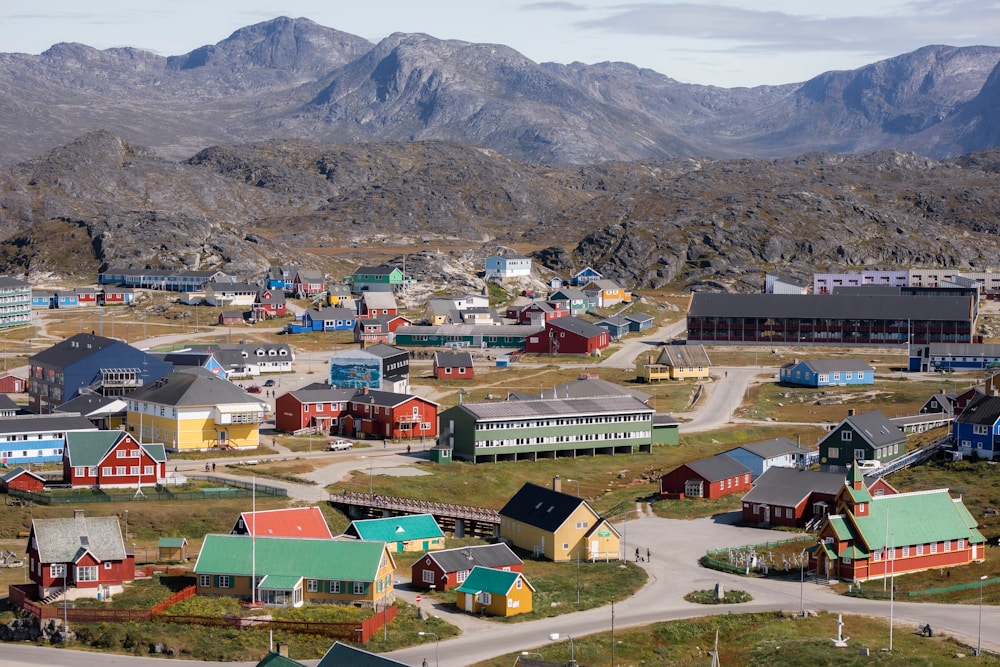
Greenland looks simple on a map. It is a huge white shape near the top of the world. But Greenland is not just ice. It is home to towns, families, schools, shops, and a culture shaped by the sea.
The island has a small population spread across a vast land area. Most people live on the coast. There are no roads between towns. Boats and planes are a normal part of life.
That human story can get lost when Greenland appears in world news. The island now sits at the center of talks about security, trade, minerals, climate, and power. Our guide to Greenland and the U.S. special envoy explains how that pressure grew.
Where Greenland Is and Why It Matters
Greenland lies between North America and Europe. It is the world’s largest island. Most of its land is covered by ice. Towns and small settlements sit along the coast.
The location matters for weather, air travel, shipping, and defense. The Arctic is also getting warmer. That makes Greenland more important to many nations.
Greenland by the Numbers
Greenland has about 57,000 people. Nuuk, the capital, is the largest city. Statistics Greenland keeps current data on the people, land, jobs, and economy.
The scale can be hard to picture. Greenland is huge, yet its population is smaller than many U.S. towns. A new mine, airport, base, or tourism boom can have a big local effect.
People, Language, and Identity
The Greenlandic name for the country is Kalaallit Nunaat. It is often read as the Land of the Greenlanders. Greenlandic, or Kalaallisut, is the official language. Danish is also used.
Most Greenlanders are Inuit. Local identity is strong. Family, fishing, hunting, food, art, music, and the sea all help shape daily life.
Greenland is not an empty Arctic space waiting for someone else to decide its future. It is a society with its own history and goals.
Self-Government and Denmark
Greenland is part of the Kingdom of Denmark, but it has broad self-rule. Its parliament and government manage many local matters.
Greenland has taken more control over time. Independence is still part of public debate. The pace and path are open questions.
Prime Minister Jens-Frederik Nielsen is now one of the main voices in that debate. His job includes local needs, jobs, outside ties, and pressure from larger powers.
Fishing Still Drives Much of the Economy
Fishing is a key part of Greenland’s economy. Seafood exports support jobs and public income. The health of the sea matters to both work and food.
Tourism is growing too. New airports can make travel easier. More visitors can also put stress on small towns and wild places.
A visitor should treat the land with care. Simple Leave No Trace habits can help in fragile places where plants grow slowly and waste can last a long time.
Mining Brings Hope and Risk
Greenland holds many kinds of minerals. That has drawn interest from firms and governments.
Mining can create jobs and income. It can also cost a lot to build roads, ports, power, and homes. A project may affect water, wildlife, and nearby towns.
So the debate is not as simple as saying Greenland has rich minerals and should mine them. Local support, cost, and long-term effects matter.
Climate Change Is Part of Daily Life
Greenland’s ice sheet is a major part of the world’s climate system. Warmer air and water can change ice, sea ice, travel routes, and wildlife.
For people who hunt, fish, or travel on the ice, those shifts are not just a news story. They can affect safety and food.
Warmer seas can also bring more interest in Arctic routes and resources. That may bring money. It can also bring more outside pressure.
Why the United States Cares
The United States has worked with Greenland and Denmark on Arctic defense for decades. Pituffik Space Base in northwest Greenland is a key part of U.S. missile warning and space work.
This helps explain why Greenland matters to U.S. security. It also explains why political talk about the island gets so much attention.
But security does not erase local control. Greenland’s leaders have made that point again and again.
Tourism Can Help if Growth Stays Careful
Greenland is a dream trip for many people. Icebergs, fjords, mountains, wildlife, and northern lights draw visitors from around the world.
Travel there takes planning. Weather can change fast. Many trips use boats or small planes. Warm layers matter. A pair of merino wool socks can help on cold days.
It also helps to carry a drink. An insulated water bottle is useful on a long day outside. The larger point is simple. Travel gear should serve the trip, not become the trip.
Tourism works best when it supports local people without turning small towns into backdrops.
Greenland Is Not a Prize
Outside powers often talk about Greenland in terms of bases, minerals, sea routes, and maps. Those things matter, but they are not the whole story.
Greenland is a place where people live. Its future will depend on jobs, schools, homes, health care, culture, and the choices of Greenlanders themselves.
That is why respect matters. Partners can invest. Nations can work together. Visitors can come. But the people who live there must have a real say.
The next chapter will be shaped by local choices and world pressure. Greenland may be small in population, but its voice in the Arctic is getting harder to ignore.