Denmark is a small country in north Europe. It has sea, wind, bikes, old towns, and clean design. It feels neat and calm. It is easy to move through.
That calm is part of its charm. Daily life is built around short trips. Shared space matters. So do simple routines. Visitors see it in bike lanes, trains, parks, cafes, and homes.
Where Denmark Sits
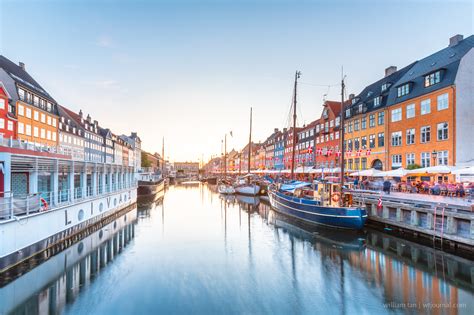
Denmark has the Jutland peninsula and many islands. Jutland joins Germany. Zealand is home to Copenhagen. Funen sits between Jutland and Zealand. The sea is close almost everywhere.
Denmark is also part of the Realm of Denmark with Greenland and the Faroe Islands. That gives this small nation a much wider role in the Arctic.
People and Cities
Denmark has about six million people. Copenhagen is the capital and largest city. Aarhus is another major city. Odense is tied to Hans Christian Andersen. Aalborg is a key city in the north.
Smaller towns are easy to reach. You can move from a city to the coast or countryside in a short time.
Government and the Crown
Denmark is a constitutional monarchy and a democracy. King Frederik X is the monarch. The elected government runs public policy. The Folketing is the national parliament.
Mette Frederiksen has served as prime minister since 2019. Denmark is in the European Union. It uses the Danish krone, not the euro.
The official Denmark quick-facts page gives a clear view of the nation. It covers the crown, the state, and the Realm.
A Culture of Trust
Denmark is known for high social trust. You can see it in daily life. Public spaces are clean. Bikes are common. Streets and stations are made for shared use.
Taxes help pay for health care and schools. They also help pay for child care and other services. Danes still debate taxes and policy. Yet the broad social model is a key part of life.
Design That Works
Danish design is famous, but it is not only about style. It is about use. Chairs, lights, homes, and public spaces often have simple lines. Shapes are clean.
Comfort matters too. Wood, soft cloth, and warm light are common. The goal is not to show off. The goal is to make a space work well.
Food and Hygge
Smørrebrød is one of Denmark’s best-known foods. These open sandwiches often use rye bread with fish, meat, cheese, herbs, or pickled foods.
Pastries are also part of the food story. So are warm meals that fit cold days.
Hygge is often sold as a trend. In Denmark, it is more like a habit. It can mean candles, coffee, warm food, and time with friends. It is about comfort, not shopping.
Bikes, Trains, and Easy Travel
Cycling is part of normal life, mainly in Copenhagen. Bike lanes are common. Many people ride to work or school.
Trains and buses also make travel easy. Major cities are well linked. For many trips, you may not need a car.
A printed Denmark travel guide can still help with maps and ideas when you want a backup that does not need a phone.
Nature Is Close
Denmark has no huge mountains, but nature is easy to reach. Beaches, dunes, woods, lakes, and farms are common. Møns Klint is one of the best-known sights, with white chalk cliffs over the sea.
Coastal weather can change fast. A light rain jacket can help on long walks and bike rides. If you plan long walks in wet weather, this guide to preventing blisters on wet runs has useful foot-care tips too.
Wind and Clean Energy
Wind is one of Denmark’s best-known natural strengths. The country has spent years building wind power on land and at sea.
Wind and sun now make up a large share of power. This took long plans. It took public support and steady work. Wind is now part of both the view and the economy.
Work and Family Life
Denmark’s public model supports health care and schools. It also helps with child care and other needs. Worker rights and paid leave also shape family life.
People pay for these systems through taxes. The basic idea is simple. Public systems should help make normal life more stable.
Language and Culture
Danish is the main language. Many people also speak good English, mainly in cities and tourist areas. That makes travel easier for many U.S. visitors.
Denmark also has deep Viking roots, old castles, and a long story in books and art. Kronborg Castle is linked to Shakespeare’s Hamlet. Hans Christian Andersen is known around the world.
Modern art, food, music, and design are also strong. Denmark lets old and new sit side by side.
Denmark and the Arctic
Denmark’s place in the world is larger than its size. Its link with Greenland gives it a direct role in Arctic politics and security.
Our guide to Greenland in 2026 looks at the people, the land, and the wider role of the island. We also looked at the dispute over Trump’s special envoy to Greenland and the questions it raised about rule and control.
Pituffik Space Base in Greenland also links Denmark, Greenland, and the United States through defense and Arctic work.
A Country That Feels Calm on Purpose
Denmark can leave a strong mark because daily life often feels planned with care. Streets are easy to use. Public space matters. Nature stays close.
You can visit for castles, food, design, beaches, and city life. Yet the best memory may be much simpler. Denmark often feels like a place that tries to make daily life work well.