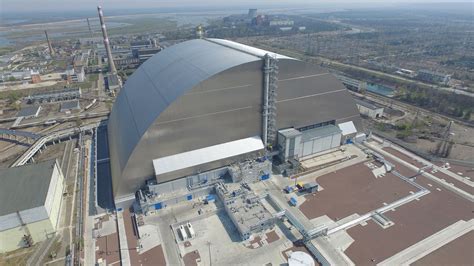
Chernobyl still brings back fear from 1986. In 2025, a drone hit its new steel roof. The hit caused a fire and tore the roof. It did not cause a new large radiation leak.
The site still holds unsafe waste from Reactor 4. The steel roof helps keep dust and rain out. It also gives crews a safer place to work. They must clean up the old reactor for years.
What was damaged at Chernobyl?
The roof is called the New Safe Confinement. It is often called the NSC. It was made to last about 100 years. It covers the old shelter built after 1986. The new roof also helps crews take that shelter apart.
The drone hit on February 14, 2025. It harmed the outer and inner skin. It also hurt key systems inside the roof. A fire burned in layers of the structure.
What changed by 2026?
By September 2026, a new repair plan was moving ahead. Donors backed early design and buying work. The European Bank for Reconstruction and Development says full repairs may cost at least €500 million. The aim is to restore full use by 2030.
The risk today is real, but it is not 1986 again. Reactor 4 did not blow up a second time. Tests did not show a new large release after the hit. The main risk comes from slow damage over time.
Why slow damage matters
Rain can enter through broken parts of the roof. Water can help rust spread in steel. Rust can make the frame less safe with time. That is why crews need to seal the roof.
The roof also helps keep old dust inside. That dust can hold unsafe radioactive bits. If the roof gets worse, dust may be harder to control. Work inside the site could also become less safe.
Why the war makes Chernobyl harder to protect
War makes each repair harder. Chernobyl is not making power now. Yet it is still a nuclear site. It needs power, staff, tools, roads, and safe access.
The war also puts other sites at risk. That is part of the wider security story. Our guide to NATO in 2026 explains the defense side. Our guide to the Zelensky peace plan looks at talks. Our report on U.S. and Russia sanctions covers economic pressure.
Why monitoring still matters
Good checks also matter. Teams watch the site for signs of change. They test radiation and check the state of key gear. Clear data can stop fear from turning into rumor.
A Tuars guide to nuclear inspections explains how such checks work. It covers tools, records, seals, and trained staff. The work may look dull. At a nuclear site, dull can be good.
Do you need radiation gear?
Most people do not need special gear from this event. A home Geiger counter can be useful for basic learning. A simple book about Chernobyl can also add context. These tools do not replace official safety alerts.
People far from Ukraine should stay calm and use trusted sources. Do not treat each social post as fact. Risk depends on the size of a release. Wind, rain, and distance also matter.
Why repairs will take time
The repair job is a long one. The first shelter went up fast in 1986. It was never meant to last for good. The new steel roof took years to plan and build. Now war damage has forced another large repair effort.
The EBRD says early work is now backed by donors. Teams must study the damage in more detail. They must make a final repair plan. They also need parts that may take time to make.
What a good outcome looks like
The best result is easy to state. Seal the roof. Stop water. Slow rust. Fix key systems. Keep crews safe. Then keep the long cleanup moving.
Chernobyl still holds real risk. But it is not in a new 1986-style crisis. The main task in 2026 is prevention. Good repair work can keep a bad problem small.