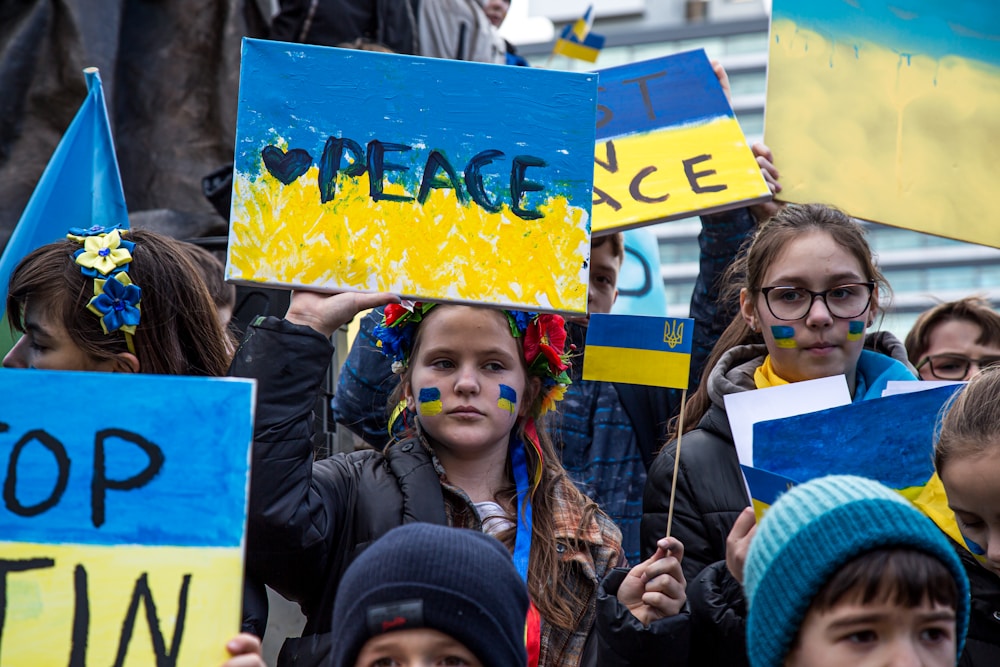
In late 2025, a U.S.-backed plan to end the war in Ukraine drew strong pushback. Early reports said the plan had 28 points. Many people in Ukraine and Europe feared it asked Kyiv to give up too much.
The plan did not stay the same. U.S. and Ukrainian teams met in Geneva on November 23, 2025. They went through the draft and changed it. The White House said the new draft took Ukraine’s main fears into account.
By September 2026, the talks had moved again. New U.S. ideas were being taken to Moscow and Kyiv. President Volodymyr Zelensky said some of them were worth talking about. Still, there was no final peace deal.
What the First Plan Tried to Do
The goal was clear. Stop the war and set rules for what came next.
The plan dealt with a ceasefire, land, arms, trade, aid, and the future ties of Ukraine with the West. It also tried to set out what Russia would get if it agreed to a deal.
The hardest fight was over land. Russia wanted a deal that took note of land it held. Ukraine did not want war gains to turn into legal gains. That gap was large in 2025. It is still large now.
Ukraine also did not want weak armed forces after the war. A peace deal may stop one fight. It must also make a new attack less likely.
Why the Geneva Talks Mattered
The talks in Geneva showed that the first draft was not final. U.S. and Ukrainian teams worked through it line by line.
The White House said Ukraine’s key concerns were heard. Those concerns included its safety, its right to rule itself, the safety of key sites, and help to rebuild.
That did not mean each hard point was solved. It meant the draft had become a real talks paper, not a final demand.
You can read the White House account of the November 23, 2025 Geneva talks for the U.S. view of that meeting.
Why NATO Came Up So Much
NATO has been one of the biggest points in this war. Ukraine has sought closer ties with the group. Russia has said that is a threat.
That is why any deal must answer a plain question. If Russia attacks again, who helps Ukraine?
Our guide to NATO in 2026 explains why the group and its Article 5 pledge matter in talks about Europe and war.
A peace deal could use other forms of help too. Those might include arms, air defense, training, or clear steps if a deal is broken. The key is trust. Ukraine wants proof that a new deal will last.
The Role of Pressure on Russia
Sanctions and other forms of pressure have also shaped the talks. The United States and Europe have used them to raise the cost of the war.
Our report on U.S. pressure on Russia shows how those tools can be tied to talks. A deal would need to say when some curbs may be eased and what happens if Russia breaks the terms.
This is not a small point. If the rules are vague, both sides may read them in a way that helps their own case.
What Changed by September 2026
The 28-point plan is now part of the past path, not the whole path.
In early September 2026, U.S. envoys Steve Witkoff and Jared Kushner met leaders in Russia and Ukraine. They brought new ideas aimed at ending the war.
Zelensky said some of the ideas were decent. No big deal was reached. The talks still faced the same hard points, such as land, safety, air strikes, energy sites, and prisoners.
There was also talk of a meeting with top leaders. That may help, but a meeting alone does not end a war.
This is why old news can mislead us. A draft may change fast. A plan that looks fixed one week may look very different a month later.
Why Europe Still Matters
Europe has a large stake in any deal. Its states give Ukraine money, arms, training, and other aid. They also face the wider risk if the war grows.
That is why Europe has pushed for a deal that does not leave Ukraine weak.
The debate also fits into the wider U.S. national security plan. Our article on the U.S. National Security Strategy gives more context on how war, allies, trade, and power fit into U.S. policy.
For another view, this Tuars article on Ukraine’s security choices explains why clear terms and real backing matter.
What Zelensky Wants to Guard
Zelensky often talks about land, safety, and dignity.
In plain words, he does not want peace to mean surrender. He also does not want a deal that leaves Ukraine open to a new attack.
At the same time, Ukraine has strong reasons to seek peace. The war has killed and hurt many people. It has split families. It has wrecked homes, roads, and power sites.
That is the hard balance. Ukraine wants the war to end. It also wants the next peace to last.
How to Follow the Talks
Peace talks move fast, so it helps to check the date on each story.
It also helps to split news into three groups. What is in an official paper? What did one side say? What has both sides agreed to?
Those are not the same thing.
If you want more background, an easy-to-read history of Ukraine can help with the long story behind the war. A map of Ukraine and eastern Europe can also help when news reports name towns and regions.
The Key Point
The 28-point plan from late 2025 was not the final deal. It was one draft in a long set of talks.
The Geneva talks changed that draft. More talks followed in 2026. As of September 8, 2026, there is still no final peace deal.
New U.S. ideas have opened another round of talks. Yet land and safety are still the hardest parts.
A lasting deal must do more than stop fire for a short time. It must set clear rules. It must say what happens if those rules are broken. It must also give Ukraine and its partners enough trust to believe the peace can hold.