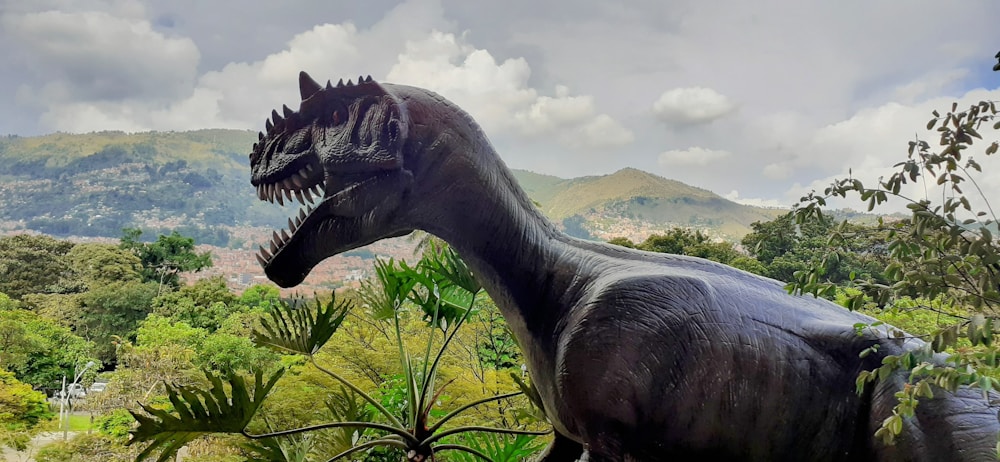
The Dueling Dinosaurs are one of the best known fossil finds in the United States. The pair has a Triceratops and a small meat-eating dinosaur. They were found together in Montana rock. The fossils are about 67 million years old.
For years, the small hunter was part of a big debate. Was it a young T. rex? Or was it a different dinosaur? In October 2025, a study in Nature gave a strong answer. The team said the animal was a full-grown Nanotyrannus lancensis.
What the study found
The main clue was age. If the animal were a young T. rex, its bones should show that it had much more growing to do. The team found signs that it was near full size.
Its body also did not match a young T. rex. It had a slimmer skull. Its arms and legs had a different shape. It also had more teeth.
The team said these clues point to a separate kind of dinosaur. Nanotyrannus lived at the same time as T. rex near the end of the age of dinosaurs. The peer-reviewed Nature study was published on October 30, 2025.
Why this fossil matters
The fossil pair is rare because both animals are so complete. That gives scientists far more clues than one tooth or one bone can give.
A full skeleton can show age, size, shape, and how an animal moved. It can also help scientists compare one animal with another.
The two animals were found close together. That is why people call them the Dueling Dinosaurs. But the name does not prove that they died in a fight. Scientists still have to study how the bodies were buried.
Science you can watch
The fossils are now at the North Carolina Museum of Natural Sciences in Raleigh. Much of the work takes place in the SECU DinoLab.
Visitors can watch staff clean, scan, and study the bones. That makes the lab more than a display. It lets people see how science works.
Ideas can change. New scans can show new details. A bone can give a clue that no one saw before.
The museum later gave the pair two names. Murphy is the Triceratops. Manteo is the Nanotyrannus.
What changed in the T. rex story
For years, many experts thought Nanotyrannus fossils were just young T. rex bones. That idea shaped how people thought T. rex grew.
The new study says at least some of those fossils may belong to a different animal. That does not mean all old T. rex work was wrong. It means some fossils may need a fresh look.
That is normal in science. A good idea can change when a better fossil gives a better test.
Why Raleigh matters
Raleigh is now home to a major dinosaur study. The museum and North Carolina State University are using the fossil as a long-term research project.
That matters because a museum fossil is not just an old object. It is a record. People can study it again when new tools become available.
A scan made today may show something that could not be seen ten years ago. New tests can also help answer old questions without harming the bones.
Plan a visit
If you want to see the fossils, check the museum’s current hours before you go. Lab work and event times can change.
A simple plan can help. Our guide to AI trip planning explains a good rule: use tools for ideas, then check key facts with the place you plan to visit.
If you like a calm museum day, our quiet travel guide has useful tips for picking a slower pace and leaving room to look around.
Science fans may also enjoy our Antarctica science guide. It shows how careful research can help us learn about places and life we may never see up close.
A fossil trip beyond Raleigh
Fossils can be found in many states. Noah’s Outdoors has a guide to discovering Alabama fossils. It shows how new fossil hunters can learn while still following land rules and good field habits.
If the exhibit gets a child interested in paleontology, a dinosaur fossil book can be a good next step. A fossil digging kit can also make a fun hands-on lesson at home.
The big lesson
The Dueling Dinosaurs did more than change one name. They gave scientists a rare chance to test an old idea.
For years, people argued about Nanotyrannus. Then a very complete skeleton gave the debate new facts.
That is how science moves forward. People ask. They test. They compare. Then they change an idea when the facts point another way.
In Raleigh, visitors can watch that work happen in real time. The story is still growing, one bone and one scan at a time.