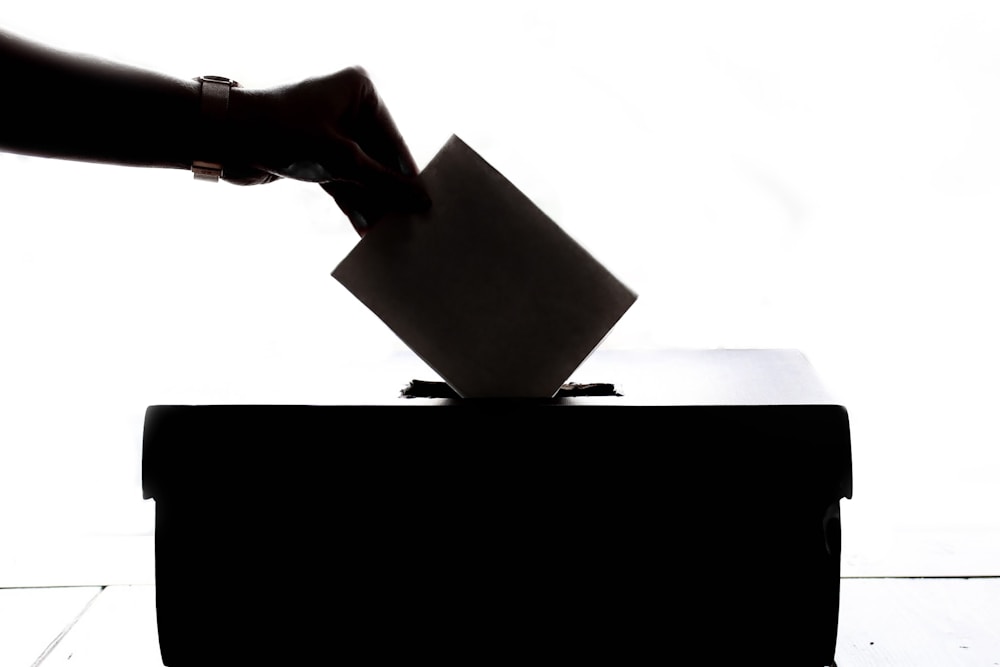
The U.S. Justice Department sent poll monitors to parts of California and New Jersey on November 4, 2025. The move drew a lot of public debate. State leaders asked why the federal role was needed.
Federal poll checks are not new. The Justice Department has done this for years. Its staff can watch for breaks in federal voting law. The 2025 fight was more about where the staff went and why.
Where the monitors went
The department named six places. In California, they were Los Angeles, Orange, Kern, Riverside, and Fresno counties. In New Jersey, the site was Passaic County.
The Justice Department said its goal was clear. It wanted open polls, safe ballots, and compliance with federal law. Its Civil Rights Division led the work.
The monitors did not run the polls. They did not count votes for the counties. They did not replace state staff. They watched, took notes, and stayed in touch with local election teams.
That point is key. A federal monitor is not a local poll worker. A monitor can watch for a breach of federal law. State and local staff still run the vote.
Why the move became political
The plan came after GOP leaders in both states asked for monitors. That fact made the move more tense.
California had a major vote on new U.S. House maps. New Jersey had a close race for governor. Critics said the timing looked political. Supporters said more review could help trust. The same kind of federal-state tension also showed up in debates over Trump’s 2025 election pardons.
Both views were part of the debate. But the presence of a monitor did not prove fraud. It also did not mean the federal government had taken over a state election.
What federal monitors can do
States still do most election work. They handle voter lists, ballots, poll sites, vote counts, and final results. Federal law adds rules that protect the right to vote.
The Justice Department can enforce those laws. Its work can cover voter access, threats, bias, disability access, and language help.
The 2025 plan also stressed ballot security and open election work. That broader goal drew more debate. Some state leaders saw it as too much federal reach. Similar questions about the reach of federal power were also central to the fight over the 2025 government shutdown.
It helps to know the roles. Poll workers run the site. Party observers may watch under state law. Federal monitors focus on federal law.
This can cut down on fear. A federal badge does not mean that person is in charge of the vote.
What changed by 2026
The issue did not end in 2025. In 2026, the Justice Department kept a strong focus on election rules.
It sent monitors to Union County, New Jersey, for a 2026 primary. It also sued New Jersey over access to election records. It kept up legal fights tied to voter records in California as well.
So the 2025 case was part of a wider trend. The federal role in election law stayed in the news through 2026. Other disputes over Justice Department authority, including the Comey and Letitia James cases, also kept attention on how federal power was being used.
What voters should know
For voters, the best step is simple. Use your state or county election site for facts. Check your poll site, ID rules, hours, and ballot status there.
If you see a possible breach of federal voting law, you can also report it to the Justice Department.
It can help to know how U.S. law splits power. A pocket U.S. Constitution is a handy guide. A basic book on voting rights can help too.
Local election work is also easy to overlook. A useful guide to what a city clerk does shows how much record keeping and election work can happen close to home.
The main lesson
The main lesson is simple. Ask what the monitors can do. Ask what law they use. Ask who asked for them. Ask if they are there to watch or to run the process.
Those facts matter more than party claims.
Trust grows when rules are clear. It also grows when public claims match the facts. That duty falls on state staff, federal staff, parties, the press, and voters.
The 2025 dispute was tense because law and politics met at the polls. Looking back in 2026, the best guide is the record: what the Justice Department said, what its staff could do, and what came next.