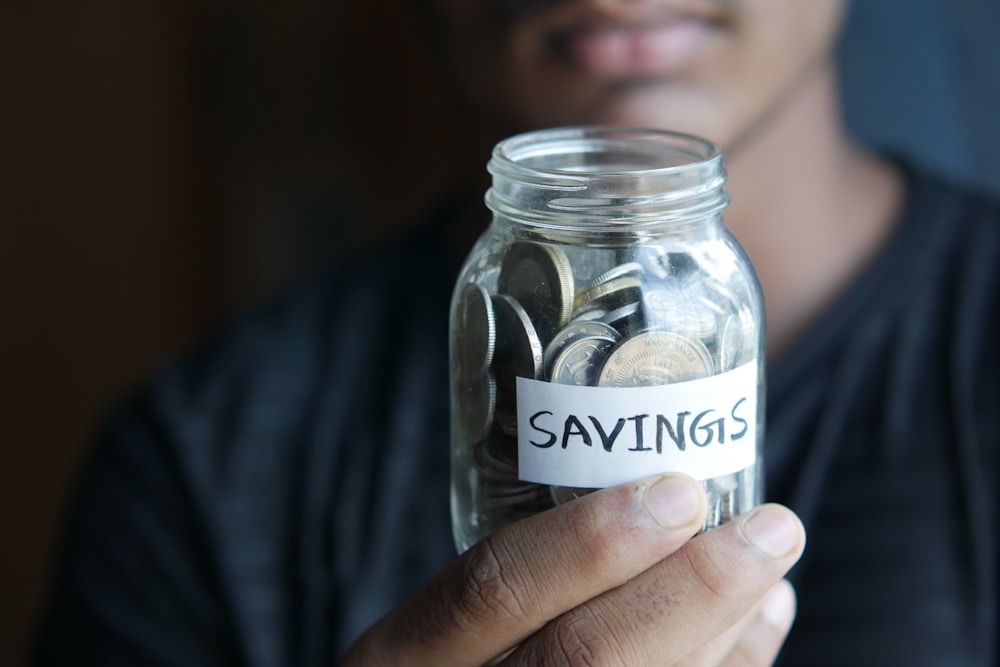
A high-yield savings account, or HYSA, is a savings account that pays more interest than many basic savings accounts. It is a simple place to keep cash that we may need soon.
The goal is not fast wealth. The goal is to keep short-term money safe, easy to reach, and earning interest while it waits.
What APY Means
APY means annual percentage yield. It shows how much an account may earn in one year. It also counts the effect of interest added over time. Rates can change, so a strong APY today may not last.
What to Check Before Opening an Account
When we compare accounts, we look past the big rate. We check fees, balance rules, transfer times, and deposit insurance.
For a bank account, we can check FDIC deposit insurance. The usual FDIC limit is $250,000 for each depositor, at each insured bank, in each ownership group. A credit union may use NCUA insurance instead.
A good account should be easy to use. Check how fast transfers move. Read the fee rules. Watch for balance rules that may cut the rate.
Where a HYSA Fits in a Money Plan
A HYSA works well for an emergency fund. It can also hold money for a car repair, taxes, a trip, gifts, or a home down payment.
If we want a fresh start, this simple money reset can help us sort bills, savings, debt, and other goals.
It is not a good replacement for long-term investing. Savings gives us more calm and less risk. Investing may offer more growth, but the value can rise and fall.
Keep Daily Spending and Savings Separate
A simple setup is often enough. We can use checking for bills and daily spending. We can use a HYSA for money we want to keep safe.
Auto transfers make saving easier. A small transfer on every payday can build a habit. It does not need to be a large amount.
A budget planner can help if we like to see the numbers on paper. The tool matters less than using it each week.
Use Savings Buckets for Real Goals
Some banks let us create named savings buckets. We might use buckets for emergencies, car costs, travel, gifts, and taxes.
If food costs make saving hard, a weekly grocery budget can show where the money goes. If the bank has no bucket tool, a note or budget sheet can do the same job.
Travel can be its own bucket. If New York is on the list, choosing the cheapest time to visit New York City can lower the amount we need to save.
A move can be another bucket. A New York City relocation plan is a good example of why we may need cash for deposits, moving costs, and the first month.
Add a Little Friction
It helps to put a little space between savings and daily spending. We can leave the debit card tied to checking. Then we move money from savings only when a real need comes up.
A fireproof document bag can hold bank papers, insurance papers, and other key records in one place.
What if We Have No Savings Yet?
We do not need a huge goal on day one. We can start with $100. Then we can aim for $250 and $500. Each step makes the next surprise easier to handle.
The best first target is one we can reach. Once we reach it, we can raise the goal. Small wins make the habit feel real.
Keep It Simple
A HYSA is useful because it is boring. We put money in, let it earn interest, and use it for the goals we chose.
That calm setup can do more for us than chasing every new rate or money trick. Check the account now and then, keep the fees low, and keep adding money.