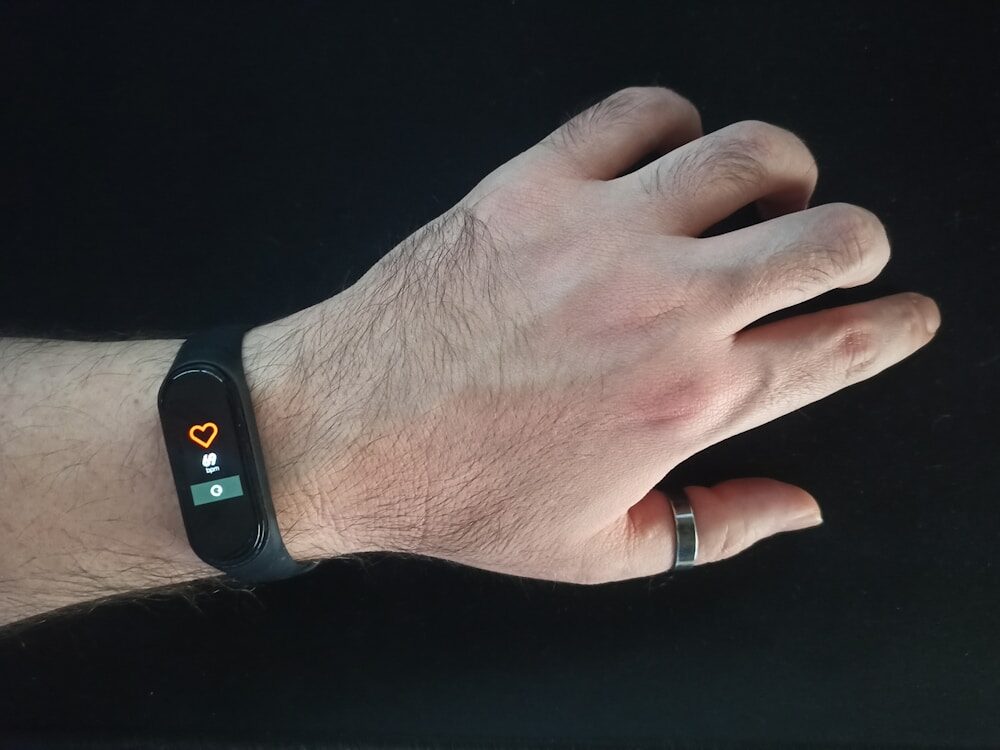
A smart ring can collect a quiet stream of data while you sleep, work, and walk. It may show heart rate, skin temperature, movement, sleep time, and recovery scores. The small size makes all-day use easy.
The danger is not only bad data. It is giving one score too much power. A ring can help you notice a change. It cannot know the full reason, and it cannot replace a medical exam.
What Smart Rings Means
A smart ring is a finger-worn device with sensors that estimate body and activity signals. Many use light to track pulse, motion sensors to detect movement, and temperature sensors to show trends. Software turns the signals into sleep, stress, readiness, or recovery scores. These scores are models, not direct views of every body process. Their best use is often long-term pattern tracking.
In other words, the trend is useful only when it fits a real need. The name may be new, but the choice still comes down to value, risk, cost, and the way it affects daily life.
Why Smart Rings Is Trending Now
Several changes are arriving at the same time. That is why this topic is moving from a small group into wider use.
The category is growing
More brands now offer rings, and new features have made the format a mainstream alternative to a watch.
People want passive tracking
A ring has no bright screen and can be easier to wear at night, which supports steady data collection.
AI can read more patterns
New models can look across many days of data and point out changes that may be hard to see in a daily score.
Privacy questions are rising
Rings collect close health and body data, while many consumer devices do not have the same privacy rules as a doctor or hospital.
The Real Benefits
The best reason to follow a trend is not that many people are talking about it. It is that the idea solves a clear problem for you. These are the gains that matter most.
Sleep habit feedback
A ring may help you see how late meals, alcohol, travel, or bedtime changes line up with sleep trends.
Personal baseline
Your normal resting heart rate or temperature pattern can be more useful than a broad average.
Low-friction movement tracking
The device can capture daily activity without the feel of a large watch.
Better doctor conversations
A clear trend may help you describe when a change began, though the clinician will still use medical tools and judgment.
The Limits and Risks
Every useful tool has a weak side. We make a better choice when we see that side before money, data, health, or time is at risk.
False precision
A score of 71 can feel exact even when it rests on estimates and an unknown model.
Sleep anxiety
Chasing a perfect score can make sleep worse. Experts call this pattern orthosomnia.
Missed illness or false alarm
A normal score does not prove health, and one odd night does not prove disease.
Health data exposure
The app may store intimate data in the cloud, share it with partners, or keep it after you stop wearing the ring.
How to Start With Smart Rings
You do not need to change everything at once. Use a small first step, keep control of the important choices, and review what happens.
1. Choose one goal
Decide whether you care most about sleep timing, recovery, activity, or a trend. Too many scores can create noise.
2. Wear it for a baseline period
Use it in a normal way for at least a few weeks before making large changes from one reading.
3. Watch trends, not single nights
Look for a pattern across days. Travel, stress, illness, fit, and battery state can shift one result.
4. Change one habit at a time
Move bedtime, reduce late alcohol, or add a walk. Keep the change simple enough to see whether it helps.
5. Keep symptoms above scores
Pain, fainting, chest pressure, severe shortness of breath, or other urgent signs need care even if the app looks calm.
6. Review privacy settings
Check data sale, research use, training use, retention, export, deletion, and third-party links before you wear the device.
7. Share a short report
When talking to a clinician, bring a clear trend and symptom note rather than hundreds of screen shots.
A Simple Seven-Day Test
A short test is long enough to learn and short enough to stop. Use the first week to build a baseline rather than chase a perfect result.
- Day 1: Write the one result you want from smart rings. Keep it to one sentence.
- Day 2: Review the main risks and remove the one that could cause the most harm.
- Day 3: Take the smallest practical step from the guide. Do not add extra tools yet.
- Day 4: Note what felt easy, what felt unclear, and what took more time than expected.
- Day 5: Check one source, setting, rule, or cost that the first test brought to light.
- Day 6: Repeat the useful part once. Change only one detail so you can see the effect.
- Day 7: Decide whether to keep, adjust, pause, or stop. Write the reason so the choice stays clear.
A Practical 30-Day Plan
A week can show whether smart rings fits your life. A month can show whether the result lasts. Keep the plan light enough to repeat. The goal is not to turn a new idea into a second job.
Week 1: Learn the baseline
Notice how things work before you make a large change. Save key costs, times, scores, settings, or problems in one short note. This gives you a fair point of comparison. It also keeps a strong first impression from becoming the only evidence.
Week 2: Use the smallest useful version
Choose one tool, habit, route, payment, setting, or work method. Keep the rest of your routine steady. A small test is easier to understand and easier to stop. It can also show that you do not need the costly or complex version of the trend.
Week 3: Check the weak side
Look for the tradeoff that did not appear on day one. It may be time, privacy, fatigue, fees, access, or stress. Ask another person to review the plan when the choice affects a family, client, team, or shared budget. A second view can catch a risk that feels normal to you.
Week 4: Keep only what earns a place
Compare the result with the baseline. Keep the part that made life safer, easier, calmer, or more useful. Remove steps that added work without a clear gain. Set one date to review it again. This turns smart rings from a trend into a choice you can manage.
How to Measure Whether It Is Working
Do not use attention, novelty, or social praise as the main score. Pick two or three signs that match the reason you started.
- Time: Did the change save time after setup and checking were included?
- Cost: Did the full cost stay inside the limit you set?
- Quality: Is the result more accurate, useful, restful, safe, or easy to repeat?
- Stress: Did the plan lower worry, or did it create a new thing to track?
- Control: Can you pause, cancel, change, or recover without a large loss?
A good result does not need to improve every measure. It should improve the one that matters most without causing a larger problem somewhere else. When the tradeoff is unclear, keep the test small and gather more real experience before you commit.
What to Check Before You Commit
Use this quick list before a purchase, sign-up, booking, or large life change.
- Does the company explain what each score measures?
- Can you export and delete your data?
- Does the device need a paid plan for core features?
- Are you looking at a multi-day trend rather than one score?
- Would you act on symptoms even when the ring looks normal?
Common Mistakes to Avoid
- Treating sleep stages as equal to a lab sleep study.
- Changing five habits at once.
- Wearing the wrong size and trusting weak sensor contact.
- Letting a low readiness score cancel all normal movement.
- Ignoring the privacy policy because the device feels like jewelry.
Most mistakes come from speed. A trend feels urgent because we see it often. Yet a short pause is usually enough to check the full cost, the source, the setting, or the safer path.
Frequently Asked Questions About Smart Rings
Are smart rings accurate?
Many can track heart rate and sleep-wake patterns fairly well, but accuracy varies by signal, device, fit, skin, movement, and user.
Can a ring diagnose sleep apnea?
Some devices may have cleared screening features. A screening alert is not a full diagnosis and should lead to medical follow-up.
Is HRV a stress score?
Heart rate variability can change with stress, sleep, illness, training, and many other factors. Use your trend, not a single ideal number.
Should I wear it all day?
More wear can give a fuller baseline. Remove it when safety, swelling, skin trouble, or the activity makes ring use a risk.
What if the data makes me anxious?
Turn off scores, check less often, or take a break. A tool that harms your sleep or peace is not serving its goal.
Let the Ring Start a Question, Not End One
A smart ring can be a useful mirror for habits and trends. It is not a verdict on your body. Watch the long pattern. Keep symptoms and real life at the center. Protect the data as you would any private health record. When used with calm limits, the ring can help you notice, test, and ask better questions without running your day.
This article gives general education, not personal medical advice. A qualified health professional can help with symptoms, medicines, pregnancy, or a condition that changes what is safe for you.