Radio City Music Hall: Showplace of the Nation
News

Radio City Music Hall: Showplace of the Nation

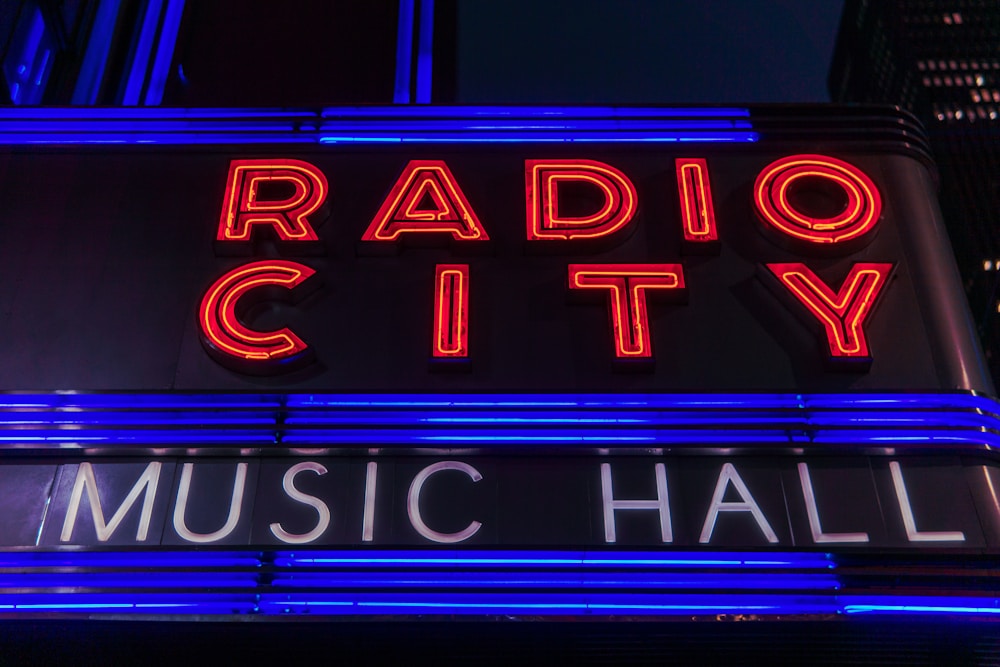
Radio City Music Hall feels like the idea of “going to a show” turned up as high as it can go. Neon glows outside. The marquee wraps around the corner. Inside, the ceiling sweeps over thousands of seats like a golden sunset. For many of us, it is the room we picture when we think about New York City at its most theatrical and over the top.

Radio City is not just a pretty theater. It is a working landmark with a long history, a famous dance company, and a holiday show that has become part of family traditions for almost a century.


Where Radio City Sits in the City

Radio City Music Hall stands on Sixth Avenue between 50th and 51st Streets, right inside the Rockefeller Center complex in Midtown Manhattan. The building hugs the street, with tall vertical signs that rise about 90 feet on both ends of the long marquee. Indiana limestone on the facade ties it to the rest of Rockefeller Center, while the bright neon makes clear that this part of the block is all about performance.

The main entrance sits at the corner of 50th Street and Sixth Avenue. That corner placement was a deliberate choice so the theater would be visible from the Broadway theater district a few blocks away and so crowds could enter through many doors along the marquee.

Inside, the auditorium runs about 160 feet from the back of the house to the stage. The ceiling reaches 84 feet at its highest point, and the proscenium arch is over 60 feet high and about 100 feet wide. Radio City can seat roughly 5,960 people, which makes it one of the largest indoor theaters in the world and the largest of its kind when it opened.


A Short History of a Big Stage

Radio City Music Hall opened in December 1932, during the Great Depression. Business leader John D. Rockefeller Jr. and entertainment figure S. L. “Roxy” Rothafel wanted a grand theater that could lift spirits and show off the possibilities of modern design and technology. Architect Edward Durell Stone handled the building, and designer Donald Deskey shaped the interiors. Both leaned into the Art Deco style that was new and bold at the time.

In the early years, Radio City worked as a movie palace and a stage theater at the same time. A typical visit included a feature film plus a live show with music, dance, and a large orchestra. The Federal Writers’ Project later described it as a place where almost everything felt oversized, from the orchestra to the screen to the stage itself.

By the 1970s, big movie palaces struggled. For a time, demolition of the Music Hall was a real risk. Preservationists, city leaders, and fans pushed back. The building became a New York City landmark, and the theater was saved and restored. That fight helped shift public opinion toward protecting historic performance spaces instead of tearing them down. Today, Radio City stands as both a working venue and a symbol of how a city can keep its cultural buildings alive.


Art Deco Details from Sidewalk to Ceiling

Part of the magic of Radio City comes from the way it looks and feels the moment you step near it. On the outside, the long marquee wraps around the corner in glowing bands, and the vertical signs carry the name high above the street. Sculptor Hildreth Meière created bronze plaques over the entrance that show musicians and figures symbolizing dance, drama, and song. Those small details quietly explain what the building is about before you even walk in.

Inside, the Grand Foyer stretches about 165 feet long and 60 feet high, with tall mirrors and a dramatic staircase. A giant mural by artist Ezra Winter, called “Quest for the Fountain of Eternal Youth,” fills one wall with warm colors and sweeping figures. Brass railings, terrazzo floors, and tall windows carry the Art Deco style through the space.

Designer Donald Deskey used materials that felt new and modern at the time. Wall coverings and furniture mix glass, aluminum, chrome, bakelite, leather, and patterned textiles. The look is sharp and geometric rather than fussy. Staircases curve in wide arcs, and light fixtures echo the same shapes as the ceiling bands in the auditorium. Together, these details make the building feel like one complete piece of design rather than a collection of separate rooms.

Step into the main auditorium and the design idea reaches its peak. The ceiling forms one sweeping curve made of wide, glowing bands, often compared to the aurora borealis. The focus falls on the Great Stage, framed by that huge arch. Every seat faces the same direction, and the curved rows make the room feel like a shell built around the performance.


The Rockettes and the Christmas Spectacular

No matter the season, most people connect Radio City with the Rockettes. This precision dance troupe began in 1925 in St. Louis as the Missouri Rockets, then moved to New York as the Roxyettes, and finally took the name Rockettes when they became a permanent part of Radio City in 1932.

The Christmas Spectacular Starring the Radio City Rockettes premiered in 1933 and has run in some form almost every year since. The show blends classic numbers like “Parade of the Wooden Soldiers” and the Living Nativity with newer segments that use modern projections, drones, and digital backdrops. A mini documentary in the current production celebrates the troupe’s 100th anniversary, telling stories from past and present dancers before the live performance begins.

The 2025 Christmas Spectacular season runs from November 6, 2025, through January 4, 2026, with up to four shows a day during peak times. Madison Square Garden Entertainment, which operates the venue, notes that this season also marks the Rockettes’ official centennial and has added performances to handle demand.

Behind the scenes, the work is intense. Recent coverage describes a six-week rehearsal period before opening, with dancers training six hours a day, six days a week. Many Rockettes call themselves “athletes dripping in diamonds,” a phrase that captures both the glamour on stage and the physical challenge underneath. Each performer must master nine complex dance numbers and keep lines perfectly straight on a stage more than 100 feet wide.

Accessibility has grown alongside the show. Recent seasons include closed captions available on personal devices, open-captioned performances, audio description, American Sign Language interpreted shows, and a sensory-friendly performance. Partnerships with groups like KultureCity have led to sensory rooms, noise-canceling headphones, and sensory bags for guests who need them.


More Than Christmas: Concerts, Movies, and Special Events

Radio City is busy even when the Christmas Spectacular takes a break. Over the decades the Music Hall has hosted concerts, film premieres, television tapings, award shows, and one-night events featuring artists from many styles. Historic acts range from jazz and big band leaders to pop stars, rock bands, and comedy tours.

Modern event listings show a steady stream of concerts, stand-up shows, and special programs on the calendar between January and fall each year. Folk artists, classical concerts with full orchestras, comedy tours, and live podcast tapings all appear in the schedule. The size of the room means performers can play to almost 6,000 people in a single night while still enjoying the feeling of a traditional theater rather than a sports arena.

During film festivals or large premieres, the massive screen and deep stage allow full cinematic presentations with live elements. Over time, this flexibility has helped keep the venue relevant. The building can support old-school stage spectacles, cutting-edge projection technology, and intimate acoustic sets without losing its character.


Touring Behind the Scenes

You do not need a show ticket to experience Radio City. The venue runs a guided tour that takes guests behind the scenes. Official tour materials describe a 60-minute walk through the Grand Foyer, the ornate Roxy Suite, and the auditorium, along with stories about the building’s history and design.

Tour groups learn how the Great Stage works, hear about the orchestra pit and its lifts, and see close-up details of the murals and fixtures that are easy to miss before a show. Many tours also include a meet-and-greet with a Rockette, which gives visitors a chance to see the famous costumes and learn how dancers train for the season.

Tours run most days of the week and often fit well on the same day as a Christmas Spectacular performance. Booking ahead is encouraged, especially during the holiday rush, since time slots can fill up quickly.


Practical Tips for Enjoying a Show

A visit to Radio City feels smoother when a few small details are in place. The venue uses airport-style security screening at the doors. Official policies state that oversized bags larger than about 22 by 14 by 9 inches are not allowed, and there is generally no bag check available for regular personal items. Bags need to fit under the seat, so smaller is better.

Accessibility services cover many needs. Radio City offers wheelchair seating, seats with movable armrests, accessible restrooms, assistive listening devices, sign language interpreters or captioning by request, and dedicated sensory supports such as sensory bags and a quiet sensory room in partnership with KultureCity. Guests are encouraged to contact the accessibility team in advance so staff can set up the right support.

Food and drinks are available at multiple stands on the concourses and mezzanines. Menus include hot dogs, chicken fingers, waffle fries, popcorn, pretzels, candy, soft drinks, water, beer, wine, cocktails, and hard seltzers. Drinks can usually be taken to seats in branded cups, which keeps lines shorter during intermission.

Most people dress in neat, comfortable clothes rather than strict formal wear. Warm layers help outside in winter, but the theater itself stays comfortably heated. Because entry, merch stands, and restrooms all draw lines before showtime, arriving at least 30 to 45 minutes early keeps the experience relaxed. Ticketing partners and the venue’s own site note that many shows use mobile tickets, so charged phones and brightness turned up at the entrance make scanning smoother.


Neon Glow and Echoing Applause

Radio City Music Hall lives in a sweet spot between past and present. The Art Deco lines, murals, and arches carry the mood of the 1930s, while the sound, lighting, and staging keep pace with modern shows. The Rockettes rehearse like elite athletes to keep a nearly century-old holiday tradition sharp, and new performers, choirs, and touring artists fill the calendar the rest of the year.

When we walk under the marquee and into the foyer, we step into a space that thousands of people have shared before us. The same arches, murals, and seats have held moviegoers in the 1930s, soldiers on leave in the 1940s, rock fans in the 1970s, and families arriving for the Christmas Spectacular today. The building keeps changing and adapting, yet it still feels like one clear thing: a showplace built so people can sit together in the dark, watch a bright stage, and applaud until their hands almost sting.