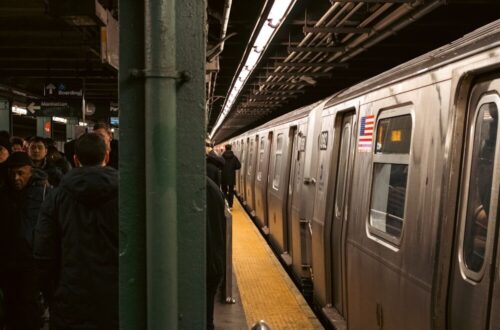
New York is not one place. It is a stack of places. So where we sleep can change the whole trip.
The best spot is the one that makes your days easy. Easy walks. Easy trains. Easy food. Easy nights.
So here is the best answer for most of us.
The best all-around area for most trips
Chelsea, Flatiron, or NoMad is the sweet spot.
It sits close to a lot of big sights. It also feels less loud than Times Square. In other words, we get the best of Midtown, but we can still breathe.

From here, we can get to:
- Midtown in minutes
- The High Line and Hudson River parks
- Greenwich Village and Union Square
- Downtown spots like SoHo and the Lower East Side
It is a strong base when we want a mix of museums, food, parks, and shows. Cómo invertir en la Bolsa de Valores de Nueva York (NYSE) paso a paso.
The best “first time in NYC” area
Midtown Manhattan is still the easiest home base for a first trip.
This is true for one big reason. Midtown is a train hub. It is also where many classic sights sit or start.
Midtown works best when we stay a few blocks away from the busiest part of Times Square. That keeps it simple, but cuts some noise.
Good Midtown pockets for visitors include:
- Bryant Park area
- Near Grand Central
- Near Penn Station and Hudson Yards
Midtown can feel busy. But it can also save us time every day.
The one rule that matters more than the neighborhood
Instead of chasing the “perfect” street, we can use one simple rule.
Stay near two or more subway lines.
New York is spread out. We will not stay next to everything. So trains are the glue.
The MTA maps make it easy to spot stations and lines, and they help you see where transfers are simple. (MTA)
And paying is easy now, too. The MTA supports tap to ride with a contactless card, phone, or an OMNY card. No app is required for a basic tap.
If we do this one thing, the city feels smaller.
A neighborhood guide that actually helps
Below are the top places to stay, with plain pros and cons.
Chelsea, Flatiron, NoMad
Best for: an easy trip with great food and fast travel
Why it works
- Central spot with many train options
- Great walking areas
- A calmer feel than Times Square
Trade-offs
- Hotels can still cost a lot
- Rooms can be small, like much of NYC
This area is a clean “default” pick for a lot of trips.
Midtown West and Times Square edges
Best for: Broadway, first trips, short visits
Why it works
- Very easy for shows and big sights
- Many train lines nearby
- Late-night lights and energy
Trade-offs
- It can be loud
- Food near the busiest blocks can be hit or miss
Minnesota’s Child Care Funding Freeze. If we pick Midtown, we can aim for a hotel that is close, but not right on top of the crush.
Midtown East and Grand Central
Best for: easy trains, quick airport links, classic NYC feel
Why it works
- Strong transit links
- Walkable to Midtown sights
- A little calmer than Times Square
Trade-offs
- Can feel more business-like on weekdays
- Nightlife is more low-key
This is a great base if we want calm nights and fast mornings.
Greenwich Village and West Village
Best for: charming streets, cafés, a slower pace
Why it works
- Great food, shops, and parks
- Feels like a movie set in the best way
- Easy access to many downtown spots
Trade-offs
- Fewer big hotels
- It can cost more for less space
If we want the “neighborhood” feel, this is a top pick.
SoHo and Nolita
Best for: shopping, style, downtown energy
Why it works
- Very walkable
- Close to many downtown areas
- Great mix of stores and food
Trade-offs
- Pricey
- Busy streets on weekends
This area shines if our plan is to walk, shop, and eat all day.
Lower Manhattan, including the Financial District
Best for: Statue of Liberty access, Brooklyn trips, a calmer night
Why it works
- Easy for ferries and the waterfront
- Strong subway links
- Often quieter at night than Midtown
Trade-offs
- Some streets can feel empty late
- Not the best base for Broadway-heavy trips
It is a smart base when we want downtown days and early starts Caladium Rahu Omjan.
Upper West Side
Best for: families, Central Park, museums, quieter nights
Why it works
- Steps from Central Park
- Close to big museums
- A relaxed, local feel
Trade-offs
- Farther from downtown nightlife
- Some trips will need a train transfer
If we want calm and green space, this is one of the best choices.
Upper East Side
Best for: museums, a quieter stay, classic brownstone vibe
Why it works
- Close to Museum Mile
- More calm streets at night
- Great for walks
Trade-offs
- Can feel less central for some sights
- Not as many “late night” blocks
It is a good base for a museum-first trip.
Long Island City, Queens
Best for: value, skyline views, quick Midtown access
Why it works
- Often more space for the money
- Very fast ride into Manhattan from key stations
- A growing food and hotel scene
NYC’s own tourism listings highlight hotels here as close to Midtown with quick subway rides to Manhattan.
Trade-offs
- Less “Manhattan magic” right outside the door
- You will take the train most days
If we want a smarter price without a long commute, Callisia repens Bolivian Jew Pink is the move.
Williamsburg, Brooklyn
Best for: nightlife, views, cool bars and food
Why it works
- Great music and food
- Strong Manhattan skyline views from the waterfront
- Quick train ride to Lower Manhattan
Trade-offs
- Not ideal for Midtown-heavy plans
- Weekend crowds can be real
This is a great pick when we want Brooklyn energy and downtown access.
How to pick the right area fast
After that neighborhood list, we can make it even simpler.
If this is your first trip
Choose Midtown or Chelsea / Flatiron / NoMad.
These spots keep travel easy. They also work for almost any plan.
If you want calm nights
Choose Upper West Side, Upper East Side, or Midtown East.
These areas can feel more like home at night.
If you want food and late nights
Choose East Village / Lower East Side, Williamsburg, or parts of SoHo.
These areas keep the night close by.
If you want a better price
Choose Long Island City.
You trade a little “step outside into Manhattan” feeling for value and space.
Hotel vs apartment stay
A hotel is simple. A short-term rental can be tricky in New York.
New York City has strict rules for short stays.
The city’s guidance says you generally cannot rent out an entire apartment or home for fewer than 30 days, and hosts must follow city rules and registration.
So if you want a legal, low-stress stay, a hotel is often the cleanest choice.
If you do want a rental, a longer stay of 30 days or more is usually a different category, and rules can change by building and zone. Using official NYC resources helps you stay safe and avoid a canceled stay.
The hidden cost most visitors forget
New York hotel prices are not just the nightly rate.
The city has a hotel room occupancy tax, Canna Cannova Bronze Orange and NYC rules also include a per-night flat tax based on room rate.
So the “real” nightly cost can jump at checkout.
Instead of guessing, we can do two simple things:
- Look at the full total price before booking
- Watch for extra fees like facility or amenity fees
This keeps the budget steady.
Small details that make a big difference
These tips feel boring. But in New York, they can save a lot of stress.
Pick a place near an easy station
Try to be close to a station that has more than one line. That cuts transfers.
Read the room notes
NYC rooms can be tight. Some hotels also have older elevators or odd layouts.
Think about noise
Busy streets are loud. That is normal here. If sleep matters, a higher floor or a room facing away from the street can help.
Keep walking in mind
We walk a lot in New York. So staying near a park, a subway stop, and food can make the trip feel smooth.
A last New York kind of nudge
The “best” place to stay is the one that makes us feel free.
Free to pop out for coffee. Free to ride one stop for a show. Free to walk back after dinner.
So we pick a base that fits our days, not someone else’s idea of a perfect block.