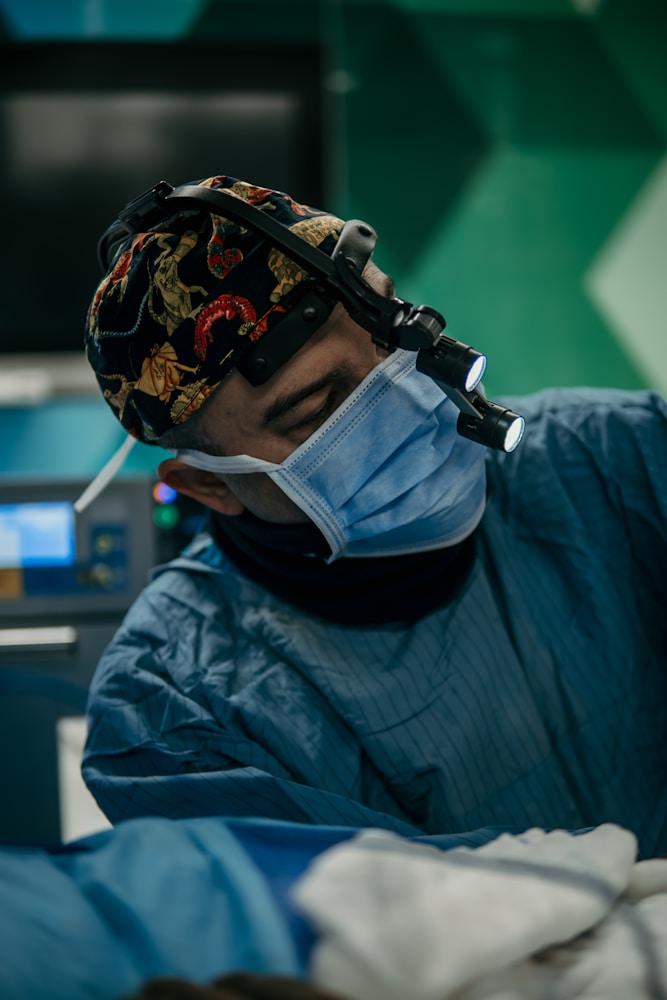
Neurosurgeons care for the brain, spine, and nerves. They treat things that can change a life in one hour. A bleed in the brain. A spine injury. A tumor that presses on speech or sight. They also treat pain and movement problems, and they help people heal after trauma.
It is also one of the longest training paths in medicine.
In the United States, most people spend about 14–16 years training after high school. Some take longer. A few take less. But most fall in that range. The biggest reason is the required time in medical school and neurosurgery residency.
This guide breaks the path into clear parts. It also shows what life feels like along the way. How to Find the Publisher of a Website (Fast, Clear, and Citation-Ready). Not the movie version. The real one.
What neurosurgeons actually do
Neurosurgery is surgery for the nervous system. That includes:
- The brain
- The spinal cord
- The spine bones and discs
- The nerves that run through the body
A neurosurgeon may:
- Remove a brain tumor
- Clip or coil a brain aneurysm
- Take pressure off the brain after injury
- Fix a slipped disc that pinches a nerve
- Stabilize a broken spine
- Place devices for epilepsy or movement disorders
Some neurosurgeons do mostly spine. Some do mostly brain. Many do a mix early in their career, then narrow over time.
How long it takes
Here is the common U.S. timeline after high school:
- College (4 years)
- Medical school (4 years)
- Neurosurgery residency (7 years / 84 months)
- Fellowship (optional, often 1–2 years, sometimes more)
So, you are often looking at 15 years as a typical total. That is why people call it a marathon career.
Step 1: Build a strong base in college (4 years)
College is where you prove you can handle hard science and long study blocks. You do not need a “pre-med major.” You need the right classes and a strong record.
What to study
Many future neurosurgeons major in:
- Biology
- Chemistry
- Neuroscience
- Biomedical engineering
- Psychology (with strong science coursework)
Pick a major you can do well in. A high GPA matters.
The classes that usually matter
Most medical schools expect:
- General biology with labs
- General chemistry with labs
- Organic chemistry with labs
- Physics with labs
- Biochemistry
- Math or stats
- English or writing
These classes also help with the MCAT.
What else to do in college
Neurosurgery is competitive Begonia Maple Leaf. So you want proof that you can handle challenge and stay steady.
Common moves that help:
- Clinical volunteering (hospital, clinic, hospice)
- Research (lab or clinical research)
- Leadership (clubs, tutoring, service)
- Shadowing doctors (many types, not only surgery)
Research is especially common for neurosurgery applicants. It can be basic science. It can be clinical. It can be outcomes research. The point is to learn how to think, test ideas, and finish projects.
A note on shadowing
Shadowing helps you learn what the job feels like. It also helps you speak about the work with honesty later.
In other words, shadowing keeps your plan real.
Step 2: Take the MCAT and apply to medical school
The MCAT is a long exam. It tests science facts, reading, and reasoning. It is a big piece of your medical school application.
A strong MCAT helps. A strong GPA helps too. Schools look at your full story, but numbers still matter.
What makes a strong application
Many accepted students have:
- A strong GPA
- A strong MCAT
- Real clinical exposure
- Service or leadership
- Solid letters of rec
- A clear reason for medicine
For neurosurgery later, the early pattern matters. You want a habit of steady work. Not last-minute sprints.
Step 3: Finish medical school (4 years)
Medical school is where you become a doctor in training. You learn the full body, Caladium Leuang Banja Pakee not only the brain.
Most U.S. students earn an MD or a DO degree.
Year 1–2: the core science years
These years cover:
- Anatomy
- Physiology
- Pathology
- Pharmacology
- Neuroanatomy
- Microbiology
This is also when many students start research, join interest groups, and look for mentors.
Year 3–4: clinical years
These years are rotations in hospitals and clinics, such as:
- Internal medicine
- Surgery
- Pediatrics
- OB/GYN
- Psychiatry
- Neurology
- Emergency medicine
If neurosurgery is your goal, you usually do neurosurgery electives later. You also do “away rotations” at other hospitals in many cases. These are like long interviews. They are also a way to learn different programs.
Exams and scores
Medical licensing exams matter for residency. The exact exam path depends on MD vs DO and the current testing rules at the time you apply.
Neurosurgery programs look for strong academics. They also look for calm focus. They want people who do not fall apart under pressure.
What makes neurosurgery applications stand out
Common parts include:
- Strong clinical grades
- Strong exam performance
- Strong letters from neurosurgeons
- Research output (papers, posters, talks)
- Clear fit with the field
- Professional, steady teamwork
Neurosurgery is small. People talk. A good reputation matters.
Step 4: Match into a neurosurgery residency (7 years)
After medical school, you apply to residency and “match” into a program. Neurosurgery residency is long and intense. It is also structured, with clear training rules. GEVI ECMD0 2-in-1 Espresso Machine: Real Espresso at Home, Without the Big Drama.
In the U.S., neurosurgery residency is typically 84 months, which is 7 years.
What residency is like
Residency is paid training. You are a doctor. You are also still learning every day.
A neurosurgery resident:
- Sees patients in clinic and the hospital
- Takes call for emergencies
- Helps run the ICU care for neurosurgical patients
- Learns to operate, step by step
- Studies constantly
- Keeps a case log and meets training goals
The hours can be heavy. The work can be emotional. The wins can be huge. The losses can hurt.
Common parts of neurosurgery residency
Exact details vary by program, but many include:
- Early years with general surgery skills and ICU time
- Core neurosurgery years with rising operating roles
- Research time in some programs
- Senior “chief” time with high responsibility
Many programs include dedicated critical care training. Many also require wide case exposure. Training rules include minimum experiences and standards.
So, even though programs have their own style, the core goal is the same. You graduate able to care for a broad set of neurosurgical problems.
Why it is so competitive
There are not many positions each year. Programs want people who will thrive in long training and still care well at the end.
That means programs select for:
- Skill and knowledge
- Work ethic
- Team fit
- Emotional control
- Communication under stress
- Long-term grit
In other words, it is not only grades. It is the full person.
Step 5: Consider a fellowship (optional, often 1–2 years)
After residency, many neurosurgeons do extra training called fellowship. This is where you narrow into a subspecialty.
Common fellowships include:
- Spine
- Pediatrics
- Vascular / endovascular
- Tumor
- Functional (movement disorders, DBS)
- Epilepsy surgery
- Peripheral nerve
Fellowship is not always required. But it can help you build a focused skill set and a clear job niche.
Step 6: Get licensed and board certified
To practice on your own, you need:
- A state medical license (rules vary by state)
- Hospital privileges (each hospital has its own process)
- Often, board certification or board eligibility
In the U.S., a key board body is the American Board of Neurological Surgery (ABNS). Certification includes formal requirements and examinations, including an oral exam process. For osteopathic pathways, there is also an osteopathic board route.
Board rules can change over time. But the big picture stays the same. Training, practice, Calathea vittata and testing all matter.
Skills that matter most (and how to build them)
People talk about “steady hands.” That matters. But it is not the full story. Neurosurgery needs a full set of skills.
1) Focus for long hours
Some surgeries are long. Some nights are longer. You train your focus by:
- Building consistent study habits
- Practicing deep work blocks
- Caring for sleep when you can
- Learning to reset fast after stress
2) Calm decision-making
In neurosurgery, small choices can have big effects. You build calm thinking by:
- Learning the basics deeply
- Practicing under supervision
- Reviewing cases with mentors
- Owning mistakes and learning fast
3) Team leadership
You never do neurosurgery alone. You work with:
- Anesthesia
- Nurses
- ICU teams
- Neurology
- Radiology
- Rehab
- Social work
The best residents and surgeons are clear, respectful, and steady.
4) Hand skills and spatial thinking
You can build technical skill over time. Many people use:
- Anatomy practice
- Surgical skills labs
- Simulation
- Careful repetition in the OR
It is not magic. It is reps, feedback, and patience.
5) Emotional strength
Some cases end well. Some do not. You still show up the next day and care.
This is why support matters:
- Mentors
- Friends and family
- Therapy or coaching when needed
- Healthy routines when possible
Being tough is not the same as being numb. Strong surgeons feel things. They just keep going with care.
What to do now, based on where you are
Neurosurgery is a long plan. So we do best when we take the next right step. Not all steps at once.
If you are in high school
Strong moves include:
- Focus on science and math basics
- Build study habits that last
- Volunteer in healthcare settings if possible
- Read about brain and spine topics
- Practice communication and teamwork
If you are in college
Strong moves include:
- Protect your GPA with smart planning
- Get clinical exposure early
- Start research if you can
- Find mentors in medicine
- Prepare for the MCAT with a real plan
If you are in medical school
Strong moves include:
- Learn core medicine well
- Build strong work habits and professionalism
- Connect with a neurosurgery department early
- Do research that you can finish
- Prepare for rotations with discipline
- Be kind and reliable on teams
In neurosurgery, “easy to work with” is not a soft skill Calibrachoa Cabaret Red. It is a survival skill.
Lifestyle: what the work can feel like
Neurosurgery can be a high-call field. Emergencies happen at night. Trauma happens on weekends. Brain bleeds do not wait.
That said, careers vary a lot:
- Some neurosurgeons do more elective spine work
- Some do more vascular emergencies
- Some work in academics with research time
- Some work in private groups with different call setups
In other words, there is no single lifestyle. But the early years are demanding for most people.
A key truth stays steady. This path asks a lot. It can also give a lot back. You see people regain function. You stop bleeding. You remove tumors. You help someone walk again. Those moments are real.
Money and cost (a clear-eyed look)
Training is long. Medical school debt can be large. Residency pays a salary, but it is modest for the hours.
There are also extra costs that many people forget:
- Exam fees
- Application fees
- Travel costs for interviews or rotations
- Moving costs
- Research time that can change income timing
Planning helps. Support helps. Honest budgeting helps.
People who do best are not always the people with the most money. They are often the people with the best planning and the strongest support systems.
A straight view of the challenge
Neurosurgery is not “hard” in one single way. It is hard in many small ways, over many years.
- The studying is long.
- The training is long.
- The stakes are high.
- The feedback can be blunt.
- The schedule can be rough.
But most of all, it is hard because you must keep improving forever. The learning does not stop when training ends.
That can sound heavy. It can also be the reason the work stays meaningful.
Steady Hands, Longer Hearts
If this is your goal, the path is simple to name and slow to live.
We go step by step. We build skill. We earn trust. We learn from mistakes. We stay humble. We stay curious. We keep showing up.
And over time, we become the kind of doctor who can enter a room in chaos and bring order back.
That is the job.