Jens-Frederik Nielsen is the prime minister of Greenland. He took office in April 2025. He leads the Demokraatit party.
He stepped into the job at a loud moment. Big powers are paying more attention to the Arctic. The United States talks more about Greenland. Denmark watches closely. Greenland also watches closely. In other words, every word from the top now travels far.
Nielsen has tried to keep the message clear. Greenland belongs to Greenlanders. Greenland can work with other countries. But respect must come first.
Greenland, in plain words
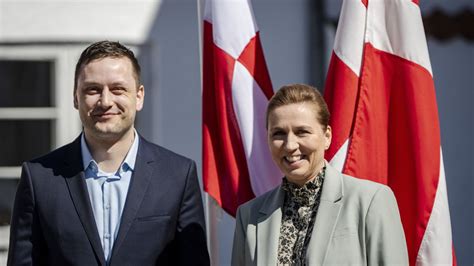
Greenland is a huge island in the far north. It is part of the Kingdom of Denmark. At the same time, Greenland runs many of its own daily matters. It has its own parliament. It has its own government.
Many people in Greenland talk about more self rule over time. Some talk about full independence one day. But most of all, the choice is meant to be made by Greenlandic people, not by outside leaders.
This is the stage Nielsen walks onto each day.
Who Nielsen is
Nielsen was born in Nuuk. He later studied at the University of Greenland.
He is also known for sports. Reports and profiles often note that he played badminton at a high level. That detail is not just trivia. It helps people picture him as steady and focused.
He is also young for a national leader. Reuters described him as Greenland’s youngest prime minister when he took office.
Instead of a long career built over decades, his rise has been fast. That speed matters. It shapes how he is seen at home and abroad.
A fast rise inside Demokraatit
Nielsen leads Demokraatit. That party is often described as social liberal. It has also been linked with a “soft” path toward independence, meaning a careful and gradual path.
In Greenland’s 2025 election, Demokraatit emerged as the largest party. That gave it the first shot at forming a government.
This matters because it changed the tone in Nuuk. The debate did not end. The debate never ends. But the center of gravity shifted. More focus went to jobs, growth, and stable public services. Less focus went to grand talk that can be hard to fund.
After more than four decades of modern self rule politics, many Greenlanders still want more control. They also want a strong daily life. They want good schools. They want good health care. They want safe housing. Those needs sit right beside big global talk about land and power.
His cabinet background and why it matters
Before he became prime minister, Nielsen served as a minister in Greenland’s government. Public records and reporting list him as a former minister for industry and mineral resources in 2020 to 2021.
That work matters in Greenland. The economy is small. Costs are high. The island is far from many markets. So leaders often look for ways to build a more self supporting economy.
Mining and minerals often sit in that talk. So does the idea of new business, new skills, and new tax money. But mining can also bring worry. People worry about nature. People worry about local control. People worry about who gets the profit.
So when a leader has a minerals brief in their past, the world pays attention. Some see a builder. Some see risk. Nielsen has to carry both views at once.
Why the world keeps staring at Greenland
People sometimes talk about Greenland like it is empty ice. It is not. People live there. Many are Inuit. Towns and small settlements stretch along the coast. Fishing is a key part of life and work.
At the same time, Greenland sits in a spot that the military world cares about. It sits between North America and Europe, and not far from Russia across the Arctic routes. This is why the U.S. has long had defense interests linked to Greenland through Denmark.
Today, the Arctic is also changing fast. Ice patterns change. Travel seasons shift. That brings more ships, more plans, and more pressure. It also brings more talk about minerals and supply chains.
In other words, Greenland is now pulled in two directions at once. It is home for Greenlanders. It is also a focus for big states.
The Trump envoy dispute and Nielsen’s line in the snow
In December 2025, President Donald Trump appointed Louisiana Governor Jeff Landry as a special envoy to Greenland. Reuters reported the move and noted Trump’s long-running interest in bringing Greenland under U.S. control.
The move sparked sharp pushback from Greenland and Denmark. The Guardian reported that Danish and Greenlandic leaders rejected any idea of annexation and stressed sovereignty and territorial integrity.
Nielsen’s core point stayed simple. Greenland belongs to Greenlanders. Cooperation can happen, including with the United States. But it must be respectful.
But most of all, his message was not only aimed at Washington. It was also aimed at his own people. It said Greenland would not be treated like a prize. It would not be talked about like a product.
That stance fits a pattern in modern Greenlandic politics. Leaders can disagree about speed, money, and strategy. Still, they tend to agree on one thing. Greenland is not for sale.
Why an “envoy” role feels different
A special envoy is not the same as a normal diplomat. It is a signal. It says this issue is special. It says it is personal for the president. It says it will not be left to routine channels.
So the title itself can raise the temperature. Not because a title changes law. It does not. But because it changes tone. It can feel like pressure.
Instead of quiet work behind the scenes, it can put the issue on a loud stage.
That is why Denmark talked about summoning the U.S. ambassador, according to reporting. It was a signal back. It said this is not normal. It said this is not fine.
Nielsen’s balancing act with Denmark
Greenland’s link to Denmark is real and deep. Denmark still plays a key role in foreign affairs and defense. Greenland has broad self rule on many home issues. But the kingdom link is still there.
So Nielsen must balance two truths at the same time.
One truth is that Greenland wants more room to decide its own future.
The other truth is that Denmark is still a core partner in law, money flows, and defense ties.
This can be hard in public. It can be even harder in crisis talk, when outside powers use bold words. A Greenlandic leader must show strength at home. A Danish leader must do the same.
So you will often see parallel lines from Nuuk and Copenhagen. The words may differ. The point is often the same. Borders stand. People decide their own future.
Independence talk and Demokraatit’s “slow and steady” image
Greenland’s independence debate is real. Many Greenlanders want more self control. But daily money matters, too. Public services cost a lot in a place with long distances and harsh weather.
Demokraatit has often been described as cautious on independence. Some sources describe it as “soft independence.” That means it does not rush. It wants strong finances first. It wants a plan.
Nielsen’s public tone fits that image. He talks about unity. He talks about building a stronger economy. He does not lean on dramatic lines.
That does not mean he is weak. It means he is choosing a style. It is a style that can calm nerves when big powers talk loudly.
After more than one round of outside pressure, calm can be strength.
The minerals question, and why it follows him
Because of his past work with industry and minerals, people often link Nielsen to the resource debate.
This debate is hard for any Greenland leader.
Minerals can bring jobs and tax money. They can also bring conflict.
Projects can take years. They can also fail. Costs can be huge. Weather can delay work. Shipping can be hard. Skills can be scarce.
Local people also want a say. They want safety. They want clean land and water. They want culture respected.
So a leader must speak to two groups at once.
One group wants more growth now.
Another group wants caution now.
Nielsen’s challenge is to make space for both.
His leadership style so far
Based on reporting and public statements, Nielsen’s style leans direct and plain.
He uses short lines. He repeats core points. He avoids big drama. That helps when you lead a small place under a big spotlight.
He also tries to keep doors open. He does not frame the U.S. as a forever enemy. He says Greenland is happy to work with partners, including the United States. But he sets a condition. Respect comes first.
This is a classic small state approach.
Hold the line on sovereignty.
Keep room for trade and talks.
Avoid getting trapped in a fight you did not choose.
It is not flashy. It is practical.
Why this moment matters for Greenlanders
For many Greenlanders, this is not only about Trump or an envoy.
It is about being seen as real people.
It is about not being spoken over.
It is about not being reduced to a map.
So Nielsen’s pushback can feel protective. It tells people at home that their leaders will speak up.
At the same time, people still need daily progress. They need better housing. They need stable prices. They need work that pays. So the government cannot live on geopolitics alone.
This is why Nielsen’s job is hard. He must handle two clocks.
One clock is global and fast. It runs on news cycles and power moves.
The other clock is local and slow. It runs on budgets and building and training.
Both clocks ring in his office.
What could come next
The envoy story may keep rolling. It may also cool down. But the deeper forces will stay.
The Arctic will keep drawing attention.
Supply chains will keep driving mineral talk.
Security planners will keep looking north.
So Greenland will keep being tested.
In that world, Nielsen’s approach will likely stay the same. Plain words. Clear boundaries. Open door for respectful work.
Instead of trading insults, he has tried to trade in calm firmness.
But most of all, he has tried to put Greenlandic people at the center of the story. That is his key move.
Ice, People, and Power
Jens-Frederik Nielsen is not only a name in the news. He is a signal of where Greenland politics sits right now.
A younger leader. A party linked to careful steps. A focus on the economy. A firm stance on sovereignty.
After more than one round of outside pressure, Greenland is still saying the same thing in a new voice.
Greenland belongs to Greenlanders.