Greenland looks simple on a map. It is one big, icy shape at the top of the world. But the real Greenland is not simple at all. It is a home. It is a culture. It is a place where people have learned to live with cold, wind, and long dark winters.
It is also a place the world keeps staring at.
In other words, Greenland is not just “ice.” It is people, choices, and pressure.
Where Greenland Sits, and Why That Spot Matters
Greenland sits between North America and Europe. It reaches deep into the Arctic. That makes it a key place for travel, weather, and defense.
Air routes in the far north often pass near it. Space and missile warning systems also care about what happens over the Arctic.
So even if Greenland feels far away, it can be close to big world events.
The People Behind the Ice
Greenland has towns, schools, shops, and sports teams. People raise kids. People work. People laugh. People also worry about the future, like we all do.
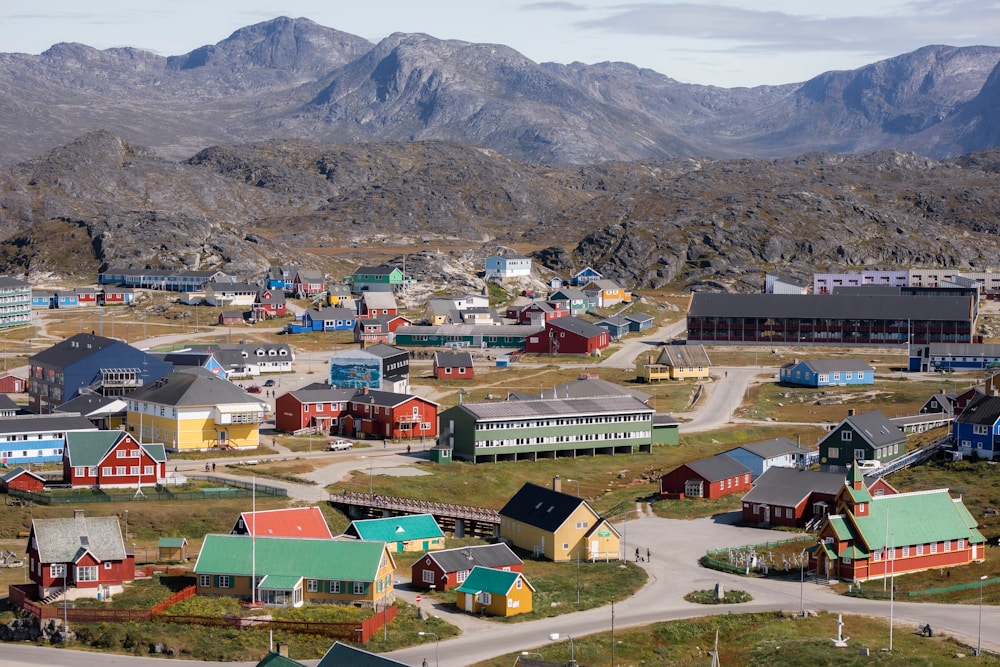
Most people live along the coast, because the center of the island is covered by a huge ice sheet. Life is shaped by the sea. Boats matter. Fish matter. Weather matters.
And community matters most of all.
Language and Identity
Kalaallit Nunaat is a name we often hear, too. It means “Land of the Greenlanders.” That name tells us something important.
Greenland is not a blank space. It is a place with its own identity. It has its own language, Kalaallisut, and a long Inuit history.
That identity is also tied to self-rule and respect.
Self-Government, and the Long Road Toward More Control
Greenland is part of the Kingdom of Denmark, but it runs many of its own affairs. Under Greenland’s Self-Government system, the people of Greenland are recognized as a people with a right to self-determination under international law.
This matters in daily life. It affects schools, health care, business rules, and local law.
It also matters in world politics. It sets a clear message: Greenland’s future is meant to be decided in Greenland.
A Small Economy With Big Limits
Greenland’s economy is often described in simple terms: fishing, public jobs, and support from Denmark. Fishing is the core export engine, and public spending is a large part of daily work.
That mix creates a hard problem. People want more local income. People also want steady services. But there are not many easy ways to grow fast in a cold, remote place.
So leaders look at new paths. Tourism is one. Mining is another. Better airports and ports can help too. But each option has trade-offs.
Instead of one easy fix, Greenland faces many careful choices.
Mining, Minerals, and the Hard Truth About “Treasure”
People talk about Greenland’s minerals a lot. It sounds like a fairy tale. Rare earths. Metals. Big projects.
But mining in Greenland is not like mining in a warm, crowded place.
It is expensive. It is risky. It needs roads, ports, power, and trained workers. It also touches land, water, and local life. That can split opinions fast.
So when outsiders say, “Just mine it,” Greenlanders often hear, “Let us take what you have.”
That is why trust and local control matter so much.
Climate Change Feels Personal Here
Greenland is one of the places where climate change can feel close and physical. Ice changes. Sea ice seasons shift. Travel and hunting routes can change too.
This is not only a “global issue.” It is also a local one. It touches food, safety, and culture.
After more than a century of outside research trips and big headlines, many Greenlanders still want one simple thing: to be heard on their own terms.
Why the United States Cares So Much
The United States has worked with Greenland and Denmark for decades, especially on defense in the Arctic. Today, the U.S. operates a major base in northwest Greenland called Pituffik Space Base.
Pituffik supports missile warning and space surveillance missions. U.S. Space Force materials describe its radar mission as part of missile warning and missile defense.
So there is a real security story here, not just talk.
But there is also a political story. And that story has gotten louder.
The New Flashpoint: A U.S. “Special Envoy” and a Greenland Pushback
In late December 2025, U.S. President Donald Trump appointed Louisiana Governor Jeff Landry as a special envoy to Greenland. Reports said Trump framed Greenland as essential to U.S. national security, and Landry has spoken in favor of Greenland becoming part of the U.S.
Greenland’s leaders pushed back fast. Denmark’s leaders did too. The public message was clear: Greenland is not for annexation, and territorial integrity must be respected.
This is where the mood shifts.
Because Greenland is open to cooperation. Greenland wants investment. Greenland wants trade. But it wants respect first.
When outsiders talk like owners, it does not feel like partnership. It feels like pressure.
Greenland’s Own Politics Have Been Changing, Too
Greenland held a major election in March 2025. The Demokraatit party won the most seats, and Jens-Frederik Nielsen became the key figure in forming a government.
After the vote, most parties moved toward a broad coalition, in part to show unity during rising outside pressure tied to U.S. interest in Greenland. Reuters and AP described this push for unity ahead of high-level U.S. visits and amid talk of annexation.
This is important.
It shows that Greenland’s politics are not frozen in place. They move. They adapt. They respond to world events.
And right now, the outside noise is shaping the inside debate.
Independence, but Not in One Leap
Many Greenlanders support more independence over time. But “how” and “how fast” are hard questions. Greenland has to balance pride with practical needs.
A bigger local economy can support more independence. But building that economy takes time, planning, and outside deals that do not undermine local control.
So the path many leaders talk about is gradual. Step by step. More skills. More jobs. More local income. More stable services.
It is not dramatic. But it is real.
Tourism: Beauty, Money, and the Need for Care
Tourism can bring jobs fast. It can also bring stress fast.
Greenland’s landscapes are stunning. Fjords. Icebergs. Northern lights. Wild, open space. People come for that feeling of “end of the world” quiet.
But tourism also has limits. Small towns can be overwhelmed. Nature can be damaged. Housing and prices can shift.
So a careful tourism plan matters. The goal is not “more visitors at any cost.” The goal is better income without losing the soul of the place.
Life in Greenland’s Towns
It helps to picture daily life.
In Nuuk, the capital, there are modern buildings, arts, and busy streets. In smaller towns, life can be slower and more tight-knit. Many places depend on ships and planes. Storms can delay everything.
People are used to planning. People are used to waiting. People are used to helping neighbors.
That kind of life builds strength. It also makes outside “big plans” feel risky, because small systems can break under heavy change.
The Arctic Race, and Why Greenland Does Not Want to Be a Prize
The Arctic is warming and changing. Countries pay more attention now. The U.S., Russia, and China all talk about Arctic routes and resources.
That makes Greenland feel like a “prize” in world talk. But Greenland is not a prize. It is a place where people live.
So when we hear loud claims, we should remember the human scale.
Greenland’s leaders keep repeating a simple message: cooperation is welcome, but only with respect.
What Respect Looks Like in Real Terms
Respect is not a slogan. It is behavior.
It can look like this:
- No talk of taking the island.
- Clear rules for investment.
- Strong protections for local workers and local land.
- Public, honest talks, not secret pressure.
- Real listening, not just photo ops.
When respect is present, deals can happen. When it is missing, even good offers can fail.
The Ice, the Sea, and the Next Chapter
Greenland is changing, and the world around it is changing too.
We can see two futures at once.
One future is built on outside push. Outside fear. Outside control. That future brings conflict.
The other future is built on steady growth in Greenland, with partners who treat Greenland as an equal. That future brings trust.
Greenland’s story is not finished. It is being written right now, by people who live there, in towns by the sea, under long winter skies.