Denmark is one of those places that looks calm on a map. It sits in Northern Europe, with sea on many sides. But most of all, it feels bigger than its size. It does that with design, bikes, wind power, and a daily kind of care that shows up in small things.
When we say “Denmark,” we often mean the main part of the country in Europe. But the Kingdom of Denmark also includes Greenland and the Faroe Islands. That mix matters. It changes the story from “small” to “Arctic too.”
Denmark is also the kind of place where old walls and new ideas live side by side. You can stand near a castle, then ride a train to a clean, modern city. You can eat a simple open-faced sandwich and still feel like it is art.
This guide is a deep look at Denmark. It is meant to be easy to read. It is also meant to help us see why this country feels so steady, so bright, and so human.
Where Denmark Sits, And Why Water Matters
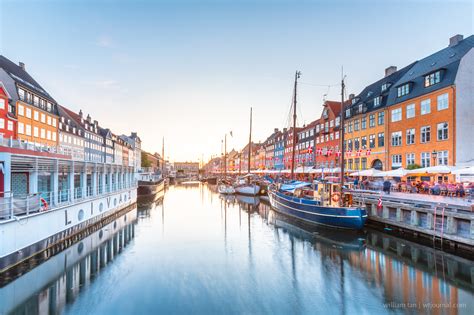
Denmark is made of a peninsula and many islands. The peninsula is called Jutland. It connects to Germany. Then the country breaks into islands like Zealand and Funen, plus many smaller ones. Denmark has hundreds of named islands, and a smaller set that are lived on.
Water shapes daily life here. The coast is never far away. The land is mostly low and flat. Beaches, dunes, and soft fields show up again and again. Denmark is known for sandy coasts and a temperate climate. That means mild summers, cool winters, and a lot of wind.
That wind is not just a mood. It is a resource. It helps explain why Denmark became a world leader in wind power.
The People, The Cities, The Everyday Pace
Denmark has about six million people. The number moves a little each year, but it stays in that range. Statistics Denmark puts the population a bit above six million in late 2025.
A big share of people live on Zealand, where the capital sits. Copenhagen is the largest city. It is also the main hub for jobs, schools, culture, and travel.
But Denmark does not feel like one-city country. Aarhus is a major cultural and university city. Odense has a strong storybook feel. Aalborg has a proud northern edge. Smaller towns feel close to nature, yet still well connected.
The pace is one of Denmark’s most famous “features.” It is not slow in a lazy way. It is steady. People tend to plan. They tend to show up on time. They tend to keep things simple.
The State, The Crown, And How The System Works
Denmark is a constitutional monarchy. That means it has a royal family, but it is run as a modern democracy with elected leaders.
The prime minister is the head of government. As of recent reporting and public records, Mette Frederiksen has been prime minister since 2019.
Denmark is also part of the European Union. It joined in 1973.
But it keeps its own currency, the Danish krone.
That mix, EU membership with a local currency, is part of Denmark’s careful style. It often chooses links that help, while keeping tools it trusts at home.
A Country Built On Trust
Denmark is known for high social trust. That is a big phrase, but it shows up in small ways.
It shows up when you see bikes parked in rows without heavy locks. It shows up when you see parents pushing strollers in calm streets. It shows up when public spaces feel shared, not fought over.
In other words, Denmark tends to run on the idea that rules can work because people will follow them. That does not mean Denmark is perfect. It just means the baseline is more cooperative than what many of us are used to.
That baseline also supports the way Denmark funds public services. Schools, health care systems, and city planning all work best when the public believes the system is fair enough to support.
Design Is Not A Luxury Here
Denmark has a global name for design. But it is not only about fancy chairs and clean lamps.
Danish design often aims for “good use.” Simple lines. Strong build. Less clutter. More light. Cozy textures. A room that feels calm.
You see it in homes. You see it in cafes. You see it in public buildings. Even road signs and train stations tend to look clear and well thought out.
After more than a century of craft traditions and modern design schools, Denmark built a culture where practical beauty is normal, not rare.
Food That Feels Simple, Yet Special
Denmark’s food scene can surprise people. It is not loud. It is not flashy in the usual way. But it is careful.
The classic everyday star is smørrebrød, the open-faced sandwich. It can be simple. It can also be stacked like a tiny sculpture.
You also get pastries that feel like a warm hug. Rye bread is a staple. Fish shows up often because the sea is close. In colder months, comfort foods matter more.
But most of all, modern Danish cooking leans on local and seasonal food. It treats vegetables with respect. It uses herbs and acids in smart ways. It often feels clean and bright on the plate.
Instead of heavy sauces, you get sharp flavor and good texture.
Hygge Is Real, But It Is Not Magic
People talk about “hygge” like it is a secret spell. In Denmark, it is more like a habit.
It means warmth. It means comfort. It means being present with people. It can be candles on a dark afternoon. It can be coffee with friends. It can be a quiet night in with soup and bread.
But most of all, hygge is not about buying things. It is about shaping time. It is about making space feel safe, soft, and shared.
That matters in a country where winter days can be short. When the sky gets dark early, you learn to build light indoors.
Getting Around: Bikes, Trains, And Easy Links
Denmark is famous for biking, and Copenhagen is often the poster child. Bike lanes are common. Many people bike to work and school.
But Denmark is also built for trains and buses. The country is not huge, and the transport links are strong. You can often go from city to city with little stress.
Bridges connect major islands. The idea is simple. Denmark wants movement to be normal. That supports work, school, and family life.
If you visit, it also makes travel easier. You can stay in one place and still see many regions without long drives.
Nature That Feels Close
Denmark does not have huge mountains. It does not have wild cliffs everywhere. But it has a soft kind of nature that is easy to reach.
You get beaches and dunes. You get forests and lakes. You get farmland that looks like a quilt.
Then there are places that feel dramatic, like the chalk cliffs of Møns Klint. The white cliffs rise above the Baltic Sea and look almost unreal in bright sun.
Nature in Denmark often feels like it invites you in. Trails are clear. Parks are cared for. The goal is not to conquer the land. The goal is to live near it.
Wind Power And The Clean Energy Story
Denmark is one of the world’s clearest examples of how a country can lean into wind.
In 2023, wind power made up close to 60% of Denmark’s electricity, based on widely used energy datasets.
The International Energy Agency also notes Denmark’s very high share of wind electricity, with wind plus other renewables making up a large part of the power mix.
This did not happen overnight. It took years of planning, policy, and building. Offshore wind farms became a key part of the picture. So did local support for clean energy goals.
But most of all, Denmark treated energy like a long game. It planned for decades, not only for the next election cycle.
That kind of planning is part of the Danish brand.
Work Life, Family Life, And The Social Model
Denmark is often described as a “welfare state.” That phrase can sound cold. In Denmark, it often feels more like a shared agreement.
People pay taxes. In return, many public services are funded and widely used. The details can be debated, and not everyone agrees on every part. But the core idea is that the country invests in people.
That shows up in child care systems, education, and health services. It also shows up in how cities are built for daily life, not just for cars.
But most of all, it shows up in a general sense that life should be livable for regular people.
Language And Communication
Danish is the main language.
If you visit, you will also notice that many people speak strong English, especially in cities and among younger adults.
Still, the sound of Danish can surprise you. It is soft and clipped. It can feel like words melt together. That is normal. If you learn a few basics, people often appreciate the effort, even if your accent is rough.
You do not need perfect Danish to get around. But learning small phrases can make daily moments feel warmer.
Culture, Stories, And What Denmark Shares With The World
Denmark’s culture has deep roots. It has Viking history. It has medieval cities and castles. It has a strong literary tradition, with fairy tales that many of us grew up with.
It also has a modern cultural life that is very alive. Music festivals, design weeks, food culture, and art museums all matter.
Aarhus, for example, has become well known for contemporary art and architecture. The ARoS museum’s “rainbow panorama” is one of those modern icons people remember.
Then there is Kronborg Castle in Helsingør, linked in popular culture to Shakespeare’s Hamlet. Even if you are not a theater person, the place feels dramatic and solid.
Denmark often blends old and new without making it feel forced.
Travel Notes That Make Visits Smoother
Denmark is easy to visit, but it helps to know what the country feels like in each season.
Summer is bright and mild. Days are long. Outdoor cafes fill up. People swim, bike, and spend time near the water.
Autumn is cozy and windy. Leaves turn. The air gets sharp.
Winter is dark early. But cities glow with warm lights. Candle culture makes sense. Indoor spaces feel more important.
Spring is a slow wake-up. Days stretch out again. Parks turn green. It feels like the country exhales.
But most of all, Denmark tends to reward simple travel. Walk a lot. Sit in cafes. Ride a bike. Take a train to a smaller town. Let the pace change you.
Denmark’s Place In The World Right Now
Denmark also sits inside bigger world stories. It is part of European alliances and regional security talks. It is also tied to Arctic issues through Greenland.
That link has been in the news again in late 2025, after new tension around U.S. interest in Greenland and Denmark’s firm pushback on any idea of annexation.
You do not have to follow every headline to understand the core point. Denmark is small in population, but it is connected to major global areas, from the Baltic to the Arctic.
In other words, Denmark’s reach is wider than many people think.
A Place That Feels Calm On Purpose
Denmark is not calm by accident. A lot of it is built that way.
It is built with planning. It is built with trust. It is built with strong public systems. It is built with respect for shared spaces. It is built with a quiet belief that daily life should work.
That is why Denmark leaves an impression. You can visit for museums and castles. You can visit for food and design. You can visit for beaches and cliffs.
But most of all, you leave remembering how it felt to move through a place that seems to care about how people live.
Gentle Northern Echoes
Denmark is a country where water meets land, and old meets new. It is where bikes and trains feel normal. It is where winter darkness turns into candlelight. It is where wind becomes power, and design becomes daily life.
You can read about Denmark and still miss the real thing. The real thing is the feeling. The feeling of a place that aims for steady, simple, and humane.