Pituffik Space Base is a U.S. military base in northwestern Greenland. For decades, many people knew it as Thule Air Base. In 2023, the U.S. Space Force changed the name to Pituffik Space Base. The new name points to Greenlandic heritage and fits the base’s Space Force mission.
The name change did not move a single building. It did not move the runway. It did not move the radar on the hill. But most of all, names carry meaning. In a place where ice and history meet, a name can be a signal.
This base is far north. It sits in a land of rock, snow, and long sky. It is also one of the most important early warning sites in the world. It helps watch for missile launches. It helps track objects in space. It helps link the Arctic to defense plans for North America and Europe.
So when we talk about Pituffik, we are talking about more than a base. We are talking about a crossroads.
Where Pituffik sits on the map
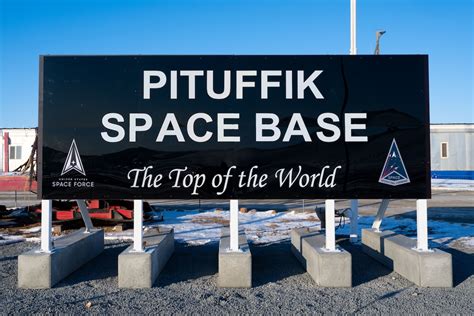
Pituffik Space Base sits on Greenland’s northwest coast, near North Star Bay. It is one of the northernmost places on Earth with a large runway, a port, and a year-round staffed base.
The closest town is Qaanaaq. It is not next door. It is far enough away that distance is always part of the story. In other words, Pituffik is remote on purpose. That is part of its value. It is also part of its cost.
The base is inside the Kingdom of Denmark, because Greenland is part of that kingdom. At the same time, Greenland has its own government for many local matters. So Pituffik sits in a shared space. It is a U.S. base, operating under agreements with Denmark, with Greenland in the picture too.
Why the old name mattered, and why the new one matters
The name “Thule” has a long history in Europe. It was often used as a poetic way to say “far north.” It also became the common name for the U.S. base.
“Pituffik” is different. It is tied to the Greenlandic language and to local place identity. The Space Force said the renaming aimed to recognize Greenlandic cultural heritage and better match the base’s Space Force role.
Instead of a distant-sounding label, the base name now points back to the land around it.
That matters in Greenland. People there have lived with outside powers making choices about Arctic land for a long time. So a name change can feel small, yet still real.
The legal ground under the base
Pituffik exists because of agreements between the United States and Denmark. The key framework dates back to the early Cold War period. It set the rules for U.S. defense activity in Greenland and for areas tied to base operations.
This matters because it shows something simple. The U.S. did not build this base by claiming the land as its own. The U.S. built and operated it through formal agreements.
So when people talk about Greenland and U.S. power, Pituffik is the clearest example. It is already a major U.S. foothold, and it has been for many decades.
A short history, from wartime need to Cold War muscle
Pituffik did not start as a Space Force base. It started as an Arctic outpost that grew with time.
During World War II and the early Cold War, the far north mattered for flight paths and defense lines. The Arctic is not a side road. It is the shortest line between North America and parts of Eurasia. That geometry shaped strategy.
As the Cold War set in, the U.S. wanted strong early warning coverage. Bombers and later missiles were a key fear. If you want early warning, you go north. You build sensors where they can see far.
So Thule grew. It became a major hub. It gained a long runway and heavy support systems. It also became linked to radar and space tracking missions.
After more than half a century, the mission kept shifting, but the reason stayed the same. The far north is the front porch for early warning.
The radar role, explained in plain words
A big reason Pituffik matters is radar.
The base supports an early warning radar mission. The Space Force describes an “Upgraded Early Warning Radar,” once known as the Ballistic Missile Early Warning System site. This radar helps detect and track ballistic missiles. It is part of a wider warning network that feeds alert systems for top U.S. leaders and for NORAD.
Radar is not magic. It is a tool that sends out energy and listens for what bounces back. The far north is a good place for this kind of watch, because missile paths can arc over polar regions.
Instead of waiting for a threat to get close, early warning aims to spot it fast. That gives decision time. It gives time to respond. It gives time to protect lives.
So Pituffik is not just a “base with a runway.” It is a sensor site with a serious job.
Space work, not just air work
The old name, “Thule Air Base,” made many people think mainly of planes. Planes are still part of the base. But the Space Force name points to what the base supports today.
Pituffik helps with space surveillance and space-related operations. That includes tracking objects and supporting networks tied to space missions. In simple terms, it helps keep watch on what is moving above us.
This work is quiet, but it is constant. Satellites are part of daily life now. They help with timing, weather, maps, and communications. They also matter for defense.
So Pituffik’s role fits modern reality. Defense is not only land and sea and air. Space is part of it too.
The people who run the place
Pituffik is supported by units with very clear jobs. One group handles base operations and support. Another runs the radar mission.
On a base like this, support is not a background task. It is the whole foundation. Power, heat, water, fuel, food, and flight support all matter. If any one of those fails, the mission strains.
After more than one Arctic winter, people learn a hard lesson. The cold does not care about schedules. Equipment must be strong. Planning must be tight.
So the people at Pituffik live inside systems. They also live inside weather.
Life at the “Top of the World”
Pituffik is famous for its extremes. The base can be locked in ice for long stretches. The seasons swing hard.
There is a time of year with polar night, when the sun does not rise for weeks. There is also a time with midnight sun, when daylight seems endless.
This shapes mood and routine. It shapes sleep. It shapes how people mark time. In other words, the clock feels different up there.
The base has an airfield that operates year-round, even in the harsh setting. That matters, because airlift is a lifeline. It brings supplies. It brings people. It keeps the base connected.
The base also has a very northern port. But sea access is not a daily thing. Ice limits shipping windows. So supply planning is a big job.
Instead of quick resupply, the base leans on careful staging and timing.
The base and the nearby Greenlandic communities
Pituffik does not sit in a vacuum. Greenlanders live in the region. The closest community, Qaanaaq, is part of the local human landscape.
Yet the history between the base and local Inuit communities has been painful at points. Reporting has described forced relocation connected to the creation and expansion of the base area in the early Cold War era. This history is still remembered. It still shapes trust.
So when we talk about Pituffik today, we also need to hold that truth. The base is strategic, but it also sits on a human story.
That is one reason the name change mattered. It was a cultural signal. But most of all, a signal is not the same as repair. A name can be a start, not an end.
The 1968 crash that still echoes
Thule Air Base is also known for a major Cold War accident. In 1968, a U.S. B-52 bomber crashed near the base while carrying nuclear weapons. The crash became a lasting point of controversy and fear. Cleanup work followed, and public debate followed too.
This is part of why Thule became more than a dot on a map. It became a symbol of Cold War risk in the Arctic. It also became part of Denmark’s political memory around nuclear policy.
After more than one generation, the story still matters. It is a reminder that Arctic defense can bring Arctic danger.
Hidden ice projects and the long shadow of Cold War builds
The U.S. military built and tested many Arctic ideas during the Cold War. One famous example is Camp Century, a project under the ice. Over time, climate change has raised new worries about old materials left behind, because melting patterns can change what stays sealed in ice.
This is the strange Arctic twist. Some Cold War problems do not fade. They thaw.
So Pituffik sits near more than one kind of history. There is the visible base. There is also the legacy of what was built in the region in past decades.
In other words, the Arctic keeps receipts.
Why Pituffik is in the news again
In recent years, Greenland has been pulled into larger global talk. Great powers are more focused on the Arctic. Russia has Arctic forces and Arctic bases. China calls itself a “near-Arctic state” and seeks influence through research and investment.
At the same time, U.S. leaders have talked more about Greenland’s importance. In 2025, major U.S. figures visited Pituffik, and the base became part of public political talk. Later, fresh debate around U.S. interest in Greenland pushed Pituffik back into headlines.
But Pituffik’s real value does not depend on headlines. The value comes from geography and mission.
The base sits in the right place for early warning.
The base supports space and radar roles that do not stop.
The Arctic is changing, and that makes northern positions more important, not less.
So the base becomes a symbol of the new Arctic era. It is a reminder that the far north is now close to the center of world power.
Why the base name change fits the moment
When the Space Force renamed Thule to Pituffik in 2023, it gave the base a name that points to the local land and people. It also made the “space” mission visible in the base title.
That is a neat fit for the current moment.
We live in an age where space matters every day.
We also live in an age where local voices push back harder against being treated like background scenery.
So the name “Pituffik Space Base” does two things at once. It tells you the mission. It nods to the place.
Instead of speaking only to Washington, the name speaks to Greenland too.
What Pituffik shows us about power in the Arctic
Pituffik is not a fantasy project. It is not a new claim. It is a real base with a long history and a daily mission.
It shows us how defense works in the Arctic. It is built on agreements. It is built on logistics. It is built on people who can live and work in hard conditions.
It also shows us that strategy has a cost. The cost can be money, because Arctic support is expensive. The cost can be strain, because isolation wears on people. The cost can be political, because local communities remember what happened and what was done to them.
But most of all, Pituffik shows us the truth of the map. The north is not empty. The north is not silent. The north is not simple.
So when we hear “formerly called Thule Air Base,” we are hearing a time line. We are hearing a shift in mission. We are hearing a shift in language. We are hearing a shift in how the U.S. wants the base to be seen.
Snowlight and signal beams
Pituffik Space Base stands in a place where the sky can look endless and the air can cut like glass. It runs on heat, power, fuel, training, and routine. It also runs on purpose.
Planes land on a long runway in bitter cold. Ships come when the ice allows. Radar watches across the top of the world. Space work hums in the background.
The name changed. The job stayed.
And the Arctic, as always, keeps moving.