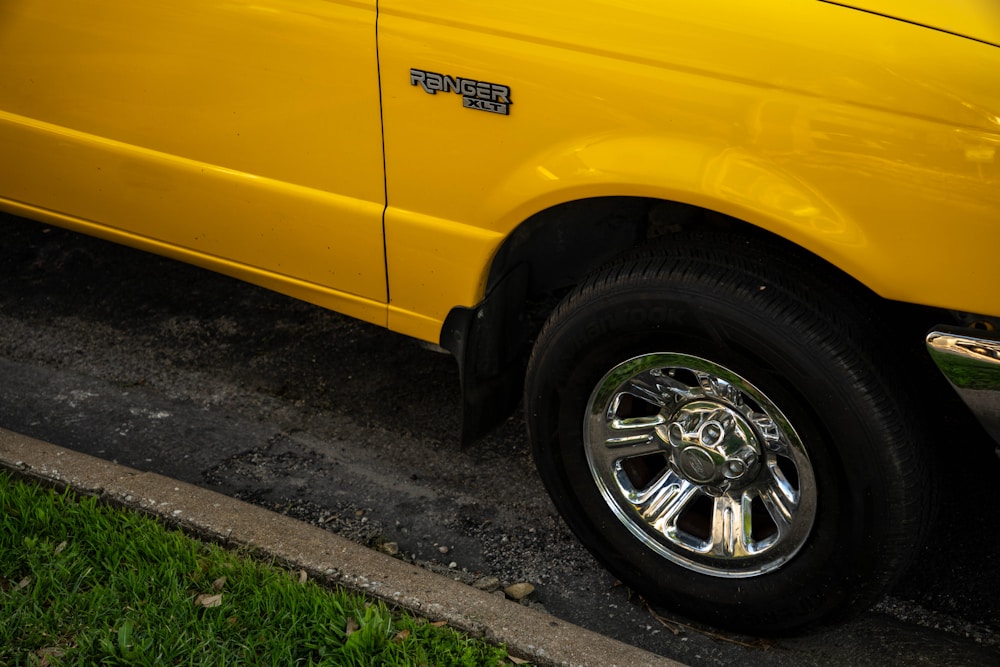
A flat tire can feel like a big deal. Your heart jumps. Cars rush by. You wonder what to do first.
Here’s the good news: if you have a spare and a jack, you can change a tire safely in about 20–30 minutes. You just need a clear plan and a steady pace.
This guide is written from a U.S. perspective, using common U.S. car tools and safety rules.
Let’s walk through it together.
What You Need in Your Car
Most cars in the U.S. come with a basic tire-change kit. Check your trunk or cargo area. You want:
- Spare tire (full-size or “donut” spare)
- Jack (often a scissor jack)
- Lug wrench (sometimes a small L-shaped wrench)
- Wheel wedges or blocks (optional, but great)
- Flashlight (phone light works too)
- Gloves (optional, but keeps hands clean)
Some cars also have a locking lug nut. If so, you need the special key that fits it how long can food be in fridge without power. That key is often with the wrench or in the glove box.
If your car uses a tire-inflator kit instead of a spare, the steps are different. Many newer cars do, so it helps to know what you have before a flat happens.
Step 1: Get to a Safe Spot
Safety comes first. A bad location makes a simple job dangerous.
Look for:
- A flat, solid surface
- A wide shoulder or parking lot
- Space away from traffic
- Good light if it is dark
Avoid:
- Soft ground (mud, grass, sand)
- Hills or sharp slopes
- Curves where drivers can’t see you
If you can roll slowly to a safer spot, do it. Driving a Ahmed al-Sharaa’s Historic Visit short distance on a flat can hurt the tire, but safety matters more.
Turn on hazard lights as soon as you stop.
Step 2: Secure the Car
Before you touch the wheel, lock the car in place.
- Put the car in Park (or in gear if it is a manual).
- Set the parking brake hard.
- Place wedges behind or in front of the tires that will stay on the ground.
Wedges stop rolling. If you don’t have wedges, use a rock, a chunk of wood, or even a thick curb.
Step 3: Take Off Hubcaps (If You Have Them)
Some wheels have a plastic cap covering the lug nuts.
- Pry it off gently with the flat end of your wrench or by hand.
- Set it aside where it won’t blow away.
Not all cars have hubcaps. If you see lug nuts already, when is palm sunday skip this step.
Step 4: Loosen the Lug Nuts While the Tire Is on the Ground
This part is key. You loosen first before lifting the car.
If the wheel is in the air, it may spin, and you lose leverage.
- Put the lug wrench on a lug nut.
- Turn counterclockwise (lefty-loosey).
- Break each nut loose about one turn.
- Don’t remove them yet.
If a lug nut is stuck:
- Push with your foot on the wrench.
- Keep your body steady and low.
- Don’t jerk. Use smooth pressure.
If you have a locking lug nut, use the key first, then wrench.
Step 5: Find the Correct Jack Point
Cars have strong spots made for jacking.
They are usually just behind the front wheel or just in mini lemon tree front of the rear wheel, on the metal seam.
Look under the car edge. You may see a small notch or thick reinforced area.
If you are unsure, check the owner’s manual. The right point matters a lot.
Never jack on plastic trim or thin floor areas.
Step 6: Lift the Car
- Slide the jack under the jack point.
- Make sure it sits flat and straight.
- Turn the handle clockwise to lift.
- Raise the car until the flat tire is about 4–6 inches off the ground.
Do not put any part of your body under the car.
A car can slip if the jack shifts.
Step 7: Remove the Lug Nuts and the Flat Tire
Now that the tire is when does chloe find out about clark off the ground:
- Unscrew the lug nuts the rest of the way.
- Put the nuts in a pocket or a small pile.
(We don’t want them rolling into traffic.) - Pull the flat tire straight toward you.
- Set it flat on the ground.
Sometimes the tire sticks to the hub. If it does:
- Give it a firm kick on the sidewall.
- Pull again.
Step 8: Put the Spare Tire On
- Line up the holes with the wheel studs.
- Push the spare straight on until it sits flush.
- Hand-tighten the lug nuts back on.
Start with one nut at the top.
Then do the nut across from it.
This helps center the wheel.
Step 9: Tighten the Lug Nuts in a Star Pattern
Use the wrench to snug the nuts while the wheel Trump’s Wave of Symbolic Pardons is still in the air.
Do a star (crisscross) pattern.
This seats the wheel evenly and prevents wobble.
Example for a 5-lug wheel:
- top
- bottom right
- top left
- bottom left
- top right
You are not doing full force here yet. Just snug.
Step 10: Lower the Car
Turn the jack handle counterclockwise to lower the car slowly.
Once the tire touches the ground and the car’s weight is on it, remove the jack.
Step 11: Fully Tighten the Lug Nuts
Now tighten for real.
- Use the same star pattern.
- Pull until each nut feels firm and solid.
If you have a torque wrench, use it.
Your owner’s manual or driver-door sticker lists the party switch of 1912 exact torque number for your car. Many passenger cars fall roughly in the 70–100 ft-lb range, but the correct value depends on your vehicle.
A torque wrench helps avoid two problems:
- too loose (wheel can wobble)
- too tight (studs can stretch or break)
After driving 50–100 miles, it’s smart to re-check tightness, especially if you used a small wrench instead of a torque wrench.
Step 12: Put Everything Away
- Put the flat tire in the trunk.
- Store the jack and wrench in their holders.
- Put the hubcap back on if it fits the spare.
(Many donut spares don’t take hubcaps.) - Wash hands if needed.
Make sure the spare and tools are Jim Obergefell secured so they don’t slide around.
What to Do Right After You Drive Off
A spare tire gets you moving again, but it is not always a long-term fix.
If you have a donut spare:
- Drive slow.
- Avoid highways if you can.
- Most donuts are rated for 50 miles and no more than 50 mph.
Check the sidewall for exact limits.
If you have a full-size spare:
You can drive more normally, but still get the flat repaired soon.
Extra Tips for Common Situations
If the flat is a front tire
Put wedges behind the rear tires.
The back wheels are what can roll.
If the flat is a rear tire
Put wedges in front of the front tires.
If you are on a narrow shoulder
Stay on the far side of the car, away The Senate’s First Step from traffic.
Keep kids and pets inside.
If it’s raining or dark
Use hazard lights, a flashlight, and take your time.
Wet ground can be slippery, so keep your feet steady.
Cars Without Spares (Inflator Kits)
Many newer U.S. cars come with:
- a small air compressor
- a can of sealant
This can fix small nail holes in the tread.
It will not fix:
- a big sidewall tear
- a blowout
- a tire off the rim
If you only have a kit and the damage is large, call roadside help.
Run-Flat Tires
Some cars have run-flat tires. You may be able to drive a wealthy apple limited distance even when flat.
But you still need to follow the tire’s rules.
They are printed on the sidewall and in your manual.
Run-flats can hide damage, so get them inspected fast.
Tire Pressure Monitoring System (TPMS)
After a tire change, your TPMS light might stay on. That is normal in many cars.
Some cars reset on their own after a short drive.
Others need a manual reset in the dash menu.
A few need a shop tool.
Your owner’s manual tells which type you have.
When Not to Change the Tire Yourself
Sometimes, the safest move is to call for help.
Call roadside service if:
- You are on a steep hill.
- You are on a tight freeway shoulder.
- The ground is soft or unstable.
- The spare is flat or missing.
- The wheel looks bent or broken.
- You don’t feel safe where you stopped.
There is no shame in choosing DOJ Election Monitors safety.
How to Prevent Tire Trouble Later
A little care keeps flats from surprising you.
Check tire pressure monthly
Cold weather drops pressure fast.
Use the PSI number on your door sticker, not the tire sidewall.
Look for wear
If tread is low, tires puncture easier.
A penny test helps:
- Put Lincoln’s head into the tread.
- If you see all of his head, tread is too low.
Keep tools ready
Once or twice a year:
- check the spare pressure
- make sure the jack works
- confirm the lug wrench fits your nuts
A flat is not the time to learn your tools are missing.
A Quick Recap You Can Remember
Here is the whole flow in one clean run:
- Get to a safe, flat spot. Hazard lights on.
- Park, brake, and wedge the wheels.
- Remove hubcap if needed.
- Loosen lug nuts while tire is on ground.
- Find jack point and lift car.
- Remove lug nuts and flat tire.
- Mount spare and hand-tighten nuts.
- Snug nuts in a star pattern.
- Lower car.
- Fully tighten nuts in a star pattern.
- Pack up, then drive to a repair shop.
Simple. Steady. Safe.
Roadside Confidence, Earned
Changing a tire is one of those skills that feels scary until you do it once. Then it feels like a win you carry forever.
You don’t need to rush. You don’t need to be strong like a superhero. You just need the steps, in order, with safety first.
If a flat happens again, you’ll know what to do.
And you’ll get back on the road with your head high.