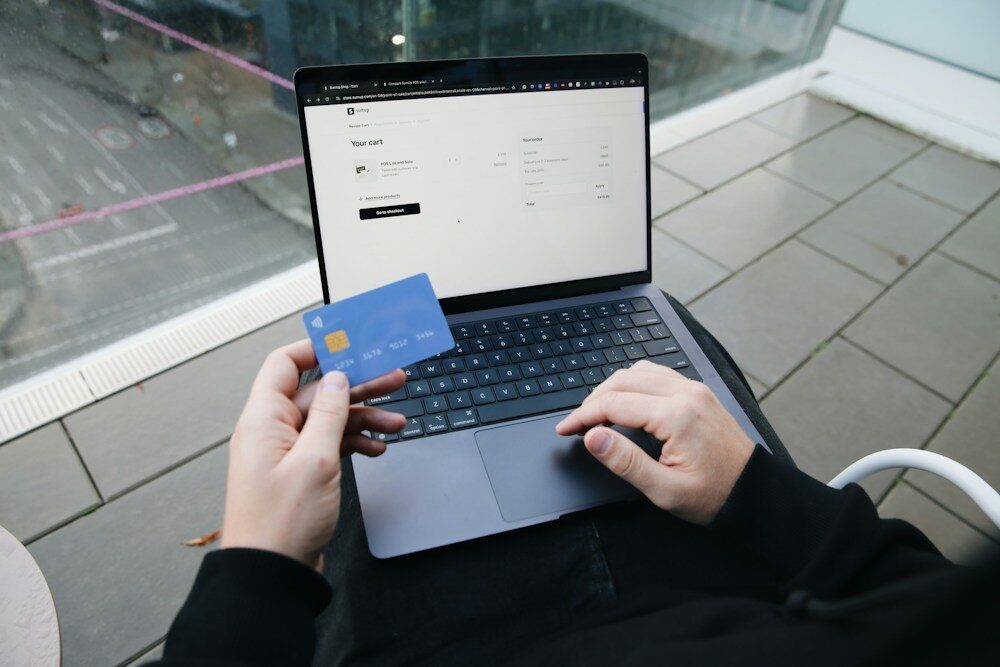
Holiday shopping starts earlier every year, and so do the scams. Fake stores, copied social ads, missing packages, gift-card demands, and account-takeover messages all become more convincing when shoppers are moving fast.
The safest approach is simple: slow down the payment step. Most scams depend on getting you to act before you verify the seller, the message, or the final price.
Start With the Seller
A slick website is not proof of a real business. Search the store name with words such as review, complaint, or scam. Check how long the domain appears to have existed when something feels off. Read the return policy before paying.
If a social ad offers a product for a price that is wildly below every normal retailer, treat the discount as a reason to check harder, not a reason to hurry.
Use a Credit Card When You Can
Credit cards generally give stronger dispute protections than debit cards, wire transfers, cryptocurrency, or gift cards. A seller that insists on gift cards, crypto, or a payment app with no normal checkout deserves extra suspicion.
Turn on transaction alerts. A hardware security key can also strengthen important accounts, especially email, because email access can become the doorway to password resets across many stores.
Package Texts Are Easy Bait
A message saying your package cannot be delivered feels plausible during the holidays because many of us really are waiting for packages. Do not tap the link. Open the retailer or carrier app directly and check the order there.
The same rule applies to bank alerts and account warnings. Go to the official app or type the address yourself. A link inside an unexpected message is not the best place to prove that the message is real.
Watch for Fake Urgency
Scammers use limited-time claims because they want you to skip verification. Real sales can have deadlines too, but a legitimate retailer does not need you to ignore every warning sign.
If the offer disappears while you check it, you have lost a bargain. If you skip the check and the store is fake, you may lose the money and the card information.
A Practical FTC Shopping Video
The Federal Trade Commission has years of consumer education on online shopping and fraud. This short video covers basic shopping-scam warning signs.
Protect the Email Account Behind Your Shopping
Use a unique password or passkey for your main email account. Turn on multi-factor authentication. Do not reuse the same password across small retail sites and banking.
Our BNPL guide is worth reading if a checkout splits the purchase into payments. A good deal can still become a bad budget decision when several plans overlap.
Keep Records Until the Item Arrives
Save the order confirmation, seller name, promised delivery window, and return terms. A small document organiser works for paper receipts; a dedicated email folder works for digital ones.
If an order never arrives, those records make a dispute easier. Do not delete the messages just because the charge has posted.
When a Deal Looks Strange
Search for the exact product photo. Scam shops often copy images and descriptions from established stores. Check the contact page. A generic form with no company information is not conclusive, but it adds to the picture.
For more practical internet-safety reading, WrightHost covers website security and online systems from the business side.
The Best Holiday Shopping Rule
Buy from sellers you can identify, use payment methods with normal protections, and enter account information only after you have reached the site yourself.
Holiday scams work by borrowing the speed and excitement of real shopping. A two-minute verification habit is boring. That is exactly why it works.

