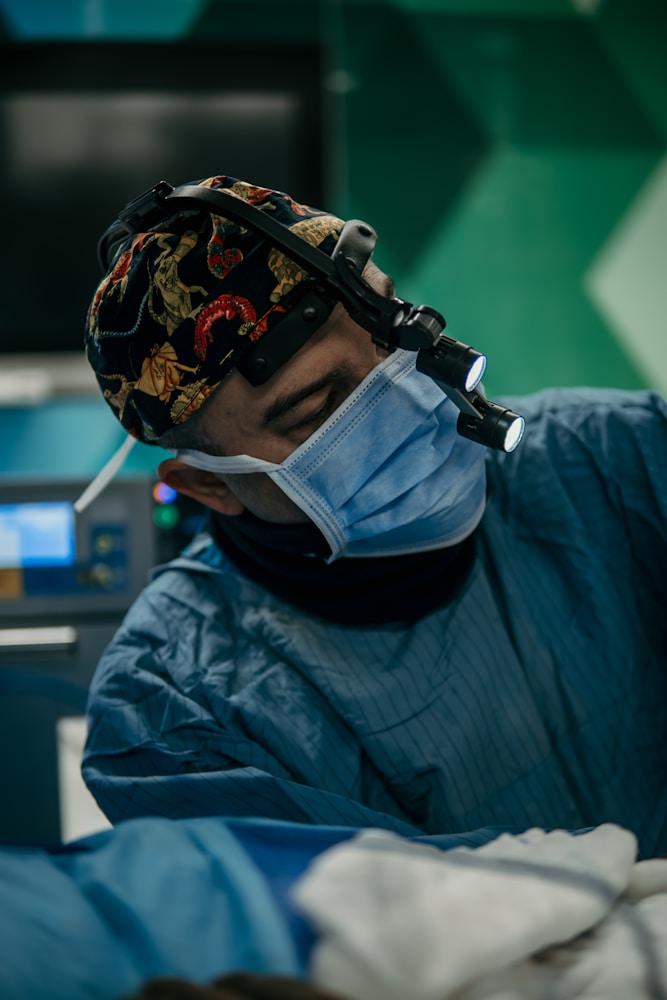
Becoming a neurosurgeon takes years of study, training, and hands-on work. The path is long, but each stage has a clear purpose.
In the United States, the usual route is four years of college, four years of medical school, and seven years of neurosurgery residency. Some doctors add a fellowship after residency.
What a neurosurgeon does
Neurosurgeons treat problems of the brain, spine, spinal cord, and nerves. They may remove tumors, treat brain bleeds, repair spine injuries, or help relieve pressure on nerves.
Some neurosurgeons focus on the brain. Others focus more on the spine. Some build a practice around children, tumors, blood vessels, epilepsy, or movement disorders.
How long does it take to become a neurosurgeon?
The common timeline after high school looks like this:
- College: about 4 years
- Medical school: about 4 years
- Neurosurgery residency: about 7 years
- Fellowship: optional, often 1 to 2 more years
That means the basic path is often about 15 years after high school. A fellowship can make it longer.
Step 1: Finish college
You do not need a special “pre-med” major. You do need the science courses required by the medical schools you plan to apply to. Biology, chemistry, physics, math, and writing are common parts of the plan.
If you are still sorting out the difference between a major and a preparation track, our guide to pre-professional programs explains how those paths usually work.
Choose a school that fits the full plan
Cost, academic support, research access, and advising can matter more than a famous name. Our guide to using college rankings wisely can help you compare schools without letting one list make the whole choice.
You can also compare the same ideas with this Tuars guide to judging whether a university is a good fit. The main point is simple: look at the program, cost, support, and likely outcome together.
Build useful experience
Strong medical school applicants often have clinical exposure, service work, research, leadership, or physician shadowing. You do not need to do everything at once. Pick a few useful activities and stay with them.
If you are still in high school, testing and college planning may come first. Our guide to SAT score timing can help if a winter test date is part of your application plan.
Step 2: Take the MCAT and apply to medical school
The MCAT tests science, reading, and reasoning. Medical schools also look at grades, service, clinical experience, letters, and your reason for choosing medicine.
A structured prep book can help some students build a study plan. One current option is Princeton Review MCAT Prep, especially if you prefer one book that covers the main test sections.
Step 3: Complete medical school
Medical school usually takes four years. Students earn an MD or DO degree and study the whole body before choosing a specialty.
The first half
The early years focus on subjects such as anatomy, physiology, pathology, pharmacology, and neuroscience. Students also begin clinical skills.
An anatomy atlas can be useful when you want a clear visual reference beside class notes. Gray’s Anatomy for Students is one common student text.
The clinical half
Later, students rotate through hospitals and clinics. Common rotations include internal medicine, surgery, pediatrics, psychiatry, neurology, and emergency medicine.
Students who want neurosurgery often seek research, mentors, neurosurgery electives, and away rotations. The field is competitive, so strong work, good teamwork, and a steady record matter.
Step 4: Match into neurosurgery residency
After medical school, you apply for residency through the national match process. Neurosurgery residency is one of the longest training programs in medicine.
The American Board of Neurological Surgery training requirements describe the standard pathway as 84 months of neurosurgical residency training in an ACGME-accredited program.
During residency, doctors care for patients, take call, work in the operating room, learn critical care, and gain more responsibility each year. They are paid, but the workload can be heavy.
What residents learn
- Brain and spine surgery
- Neurocritical care
- Trauma care
- Imaging and diagnosis
- Patient and family communication
- Team leadership
Residents also study for required exams and keep track of their surgical cases.
Step 5: Add a fellowship if needed
A fellowship is extra training in a smaller area of neurosurgery. It is not required for every job.
Common fellowship areas include spine, pediatric neurosurgery, vascular surgery, tumors, functional neurosurgery, epilepsy surgery, and peripheral nerve surgery.
Step 6: Get licensed and work toward board certification
Doctors need a state medical license before they can practice on their own. Hospitals also have their own rules for privileges.
Board certification is a separate process. Neurosurgeons must meet training, exam, and practice requirements. The exact rules can change, so residents should follow current board guidance as they move through training.
Skills that matter in neurosurgery
People often think first about steady hands. Technical skill matters, but it is only part of the job.
- Focus: some operations last for hours.
- Calm judgment: choices can have major effects.
- Teamwork: surgeons work with nurses, anesthesia teams, ICU staff, radiology, and many others.
- Communication: patients and families need clear, direct answers.
- Resilience: some cases go well, and some do not.
What to do at each stage
If you are in high school
Build strong study habits. Take solid science and math classes. Learn how college applications work. If you can, volunteer in a health setting to see whether patient care feels right for you.
If you are in college
Protect your grades. Finish the medical school prerequisites. Get clinical exposure. Look for research you can actually finish. Start MCAT prep early enough that you do not have to rush.
If you are in medical school
Learn core medicine well. Find neurosurgery mentors. Build a record of reliable work. Take research seriously, but do not let it replace strong clinical skills.
The lifestyle is demanding
Neurosurgery can involve nights, weekends, emergencies, and long cases. The first years of training are usually the hardest.
Life after training can vary. Some surgeons do mostly planned spine cases. Others handle brain emergencies, tumors, or complex hospital work. Academic jobs may also include teaching and research.
Plan for the cost too
College and medical school can be expensive. Students may also pay for exams, applications, travel, interviews, and moving.
Good planning matters. Compare schools by total cost, not just tuition. Learn about aid early. Keep debt in mind when you make each step.
A long path, one step at a time
The road to neurosurgery is long, but it is not mysterious. Finish college. Get into medical school. Complete medical school. Match into neurosurgery. Finish residency. Add a fellowship only if it fits your goals.
You do not have to solve the whole path today. Focus on the next stage, do it well, and keep building from there.