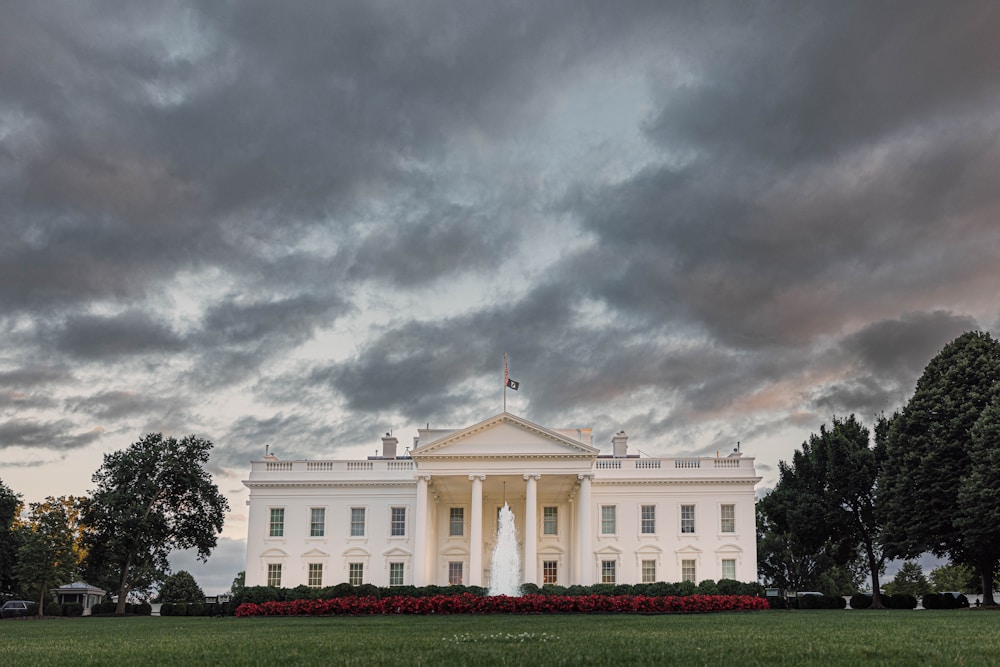
Trump’s White House ballroom is no longer just a plan. Work is underway. The old East Wing is gone. A much larger space is now taking shape. The project is also tied to a court fight over power, cost, and who must approve big changes at the White House.
The idea is easy to see. The White House has used tents for very large events. President Donald Trump wanted a permanent hall that could hold far more guests. The result is one of the biggest changes to the White House grounds in many years.
What the Ballroom Will Be Like
The White House says the new State Ballroom will add about 90,000 square feet. It says the room will seat about 650 people. That is more than three times the seated limit of the East Room.
The main White House home is often listed at about 55,000 square feet. So the new ballroom complex has more floor space than the central home itself.
The project also changed the East Wing. That part of the site was removed to make room for the new work. The White House says the ballroom will stand apart from the main home but use a similar classic look.
How the Cost Grew
The White House first called it a privately funded $250 million project. By August 2026, court papers and news reports were using a figure near $400 million for the wider work.
The newer number covers more than a formal room. Reports say the work also includes military and safety space.
Trump and private donors are paying for much of the project. That may limit the direct cost to taxpayers. It also raises questions about donor access and public records.
The Court Fight
The legal fight became a big part of the story in 2026. Historic groups said the White House moved too fast. They said the project did not get the kind of approval they believe the law calls for.
CatchWMW’s guide to the 2026 Supreme Court tariff ruling looks at another fight over the limits of presidential power.
On August 31, 2026, the Supreme Court let work continue while the case moves on. The Court did not settle every legal issue. It ruled on whether the group suing could stop the work at that point.
That is key. Work can go on, but the full court fight is not over.
Why Congress Matters
The White House is a home, an office, and federal property. Big changes can involve Congress, safety rules, public money, and historic review.
Our guide to Republican leaders in 2026 gives more background on who holds power in Washington.
This makes the ballroom more than a design debate. It is also a test of how much a president can do on a major federal building project without a new law from Congress.
Supporters say the ballroom fills a real need. They note that presidents have changed the White House many times. Critics say this project is much larger and moved ahead too fast.
What the New Space Could Change
A 650-seat ballroom would give the White House more room for state dinners and large events. The 2025 Ahmed al-Sharaa White House visit shows how major state visits can put the building itself in the public eye.
The new room could also cut the need for large outdoor tents. An illustrated White House history book can help readers see how the site has changed over time.
The new building may change the look of the grounds too. The old East Wing sat low beside the main home. A 90,000-square-foot addition gives that side of the site much more weight.
The main White House will still be the best-known part of the complex. But the balance of the grounds will look different. A Washington, D.C. travel guide can help visitors plan nearby stops and learn the layout.
Why the Story Matters
Trump has long used buildings and design as part of his public image. A large ballroom fits that style. It is meant to be useful, formal, and hard to miss.
Chloe’s Corner also looks at the Trump-Putin meeting and U.S. policy. That story gives a wider view of the choices made by this White House.
Future presidents will use the ballroom too. Once a large new building becomes part of the White House, it can last long after the fight that made it.
So the real issue is bigger than size. It is about how a lasting change to a national site should be planned, paid for, reviewed, and approved.
As of September 2026, work is still moving ahead. The court case is still active. The White House says the project should be done before the end of Trump’s term. No matter how the case ends, the ballroom has already become a major White House building story.